
Heat-Shrink Tubing Size Charts
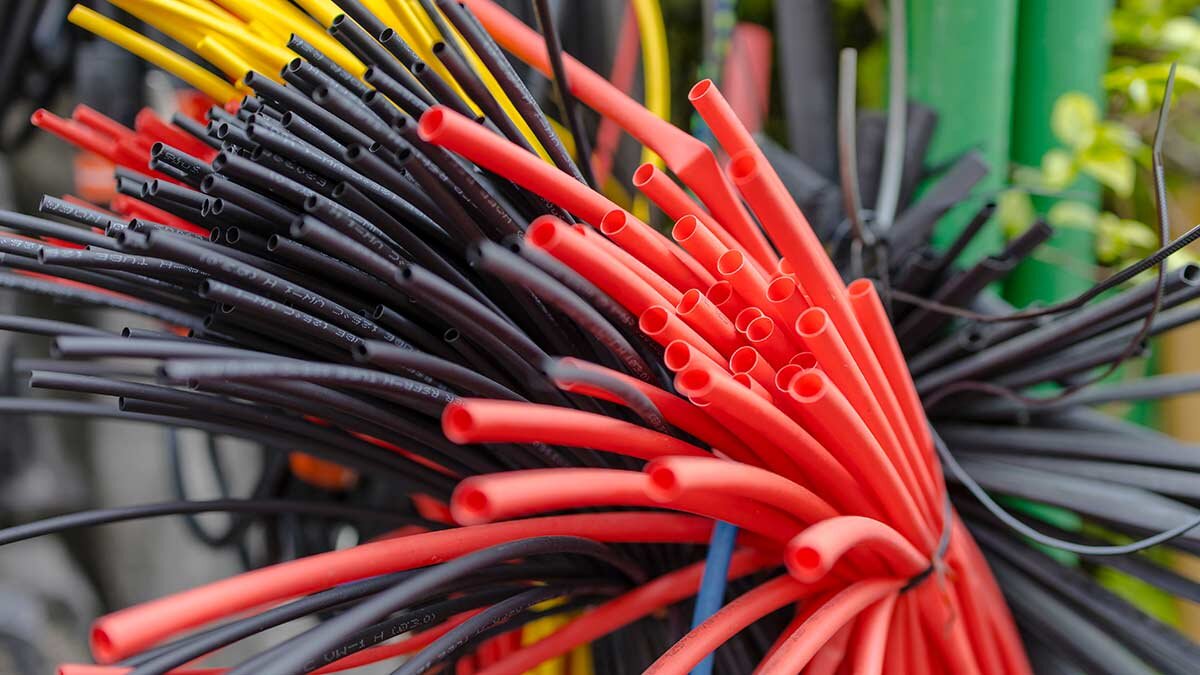
Heat-shrink tubing is a versatile plastic material that shrinks when heated, creating a tight and protective layer around objects such as wires and cables. It is commonly used for insulating wires, providing protection against abrasion, moisture, and environmental factors. Available in various sizes and materials, heat-shrink tubing is suitable for a wide range of applications, including electrical insulation, strain relief, and even aesthetic enhancements.
The following heat-shrink tubing charts outline the different types of tubing, their temperature ranges, shrink ratios, and application guidelines. These charts assist users in selecting the appropriate tubing for their specific needs—please keep in mind the importance of choosing the right size and material for your specific wire or component.
Standard Heat Shrink Tubing Sizes | |||||
| Nominal Diameter (inches) | Expanded Diameter (inches) | Expanded Diameter (mm) | Recovered Diameter (inches) | Recovered Diameter (mm) | Typical Applications |
| 1/16 | 0.062 | 1.57 | 0.031 | 0.79 | Microelectronics, small cables |
| 1/8 | 0.125 | 3.18 | 0.062 | 1.57 | Wires, small connectors |
| 3/16 | 0.187 | 4.75 | 0.093 | 2.36 | Electrical insulation, strain relief |
| 1/4 | 0.25 | 6.35 | 0.125 | 3.18 | General wiring, cable insulation |
| 3/8 | 0.375 | 9.53 | 0.188 | 4.78 | Larger cables, mechanical protection |
| 1/2 | 0.5 | 12.7 | 0.25 | 6.35 | Power cables, bundling |
| 3/4 | 0.75 | 19.05 | 0.375 | 9.53 | Heavy-duty cables, wire harnesses |
| 1 | 1 | 25.4 | 0.5 | 12.7 | Large cables, industrial applications |
| 1-1/2 | 1.5 | 38.1 | 0.75 | 19.05 | Large bundles, insulation |
| 2 | 2 | 50.8 | 1 | 25.4 | Extremely large cables, hoses |
Heat Shrink Tubing Shrink Ratios | ||
| Shrink Ratio | Typical Sizes | Typical Applications |
| 2:1 | Available in sizes from 1/8" to 1" | General use, versatile applications |
| 3:1 | Available in sizes from 1/4" to 2" | Applications requiring a higher shrink ratio |
| 4:1 | Available in sizes from 1/2" to 2" | Heavy-duty applications, large diameter cables |
| 6:1 | Custom sizes available | Extreme shrinkage needs, specialized applications |
Materials and Specifications | |||
| Material | Operating Temperature Range | Wall Thickness (inches) | Typical Applications |
| Polyolefin | -55°C to 125°C (-67°F to 257°F) | 0.015 - 0.060 | General purpose, electrical insulation |
| Fluoropolymer | -60°C to 200°C (-76°F to 392°F) | 0.010 - 0.080 | Chemical resistance, high temperatures |
| PVC | -40°C to 105°C (-40°F to 221°F) | 0.020 - 0.050 | Electrical insulation, bundling |
| Silicone | -50°C to 250°C (-58°F to 482°F) | 0.030 - 0.070 | High-temperature environments |
Tips for Selecting Heat-Shrink Tubing
- Measure Accurately: Determine the diameter of the cable or wire before selecting tubing to ensure a proper fit.
- Consider Shrink Ratio: Choose a shrink ratio that matches the level of expansion needed for your application.
- Choose Heat-Shrink Tubing Thickness: The thickness of heat-shrink tubing influences both its functionality and durability–thicker tubes provide greater insulation but may be less flexible than thinner ones.
- Check Material Properties: Ensure the tubing material suits your environmental conditions, such as temperature, chemicals, and mechanical stress.
- Understand Application Needs: Select the appropriate wall thickness and diameter for the specific requirements of your project.
- Order Samples: Before bulk purchasing, order samples to verify fit, shrinkage, and performance.
Conversion Chart (inches to millimeters) | |
| Inches | Millimeters |
| 1/16 | 1.57 |
| 1/8 | 3.18 |
| 3/16 | 4.75 |
| 1/4 | 6.35 |
| 3/8 | 9.53 |
| 1/2 | 12.7 |
| 3/4 | 19.05 |
| 1 | 25.4 |
| 1-1/2 | 38.1 |
| 2 | 50.8 |
Product Compliance and Suitability
The statements contained in this guide are intended for general informational purposes only. Such statements do not constitute a product recommendation or representation as to the appropriateness, accuracy, completeness, correctness, or currentness of the information provided. Information provided in this guide does not replace the use by you of any manufacturer instructions, technical product manual, or other professional resource or adviser available to you. Always read, understand, and follow all manufacturer instructions. Portions of this article were generated in part by ChatGPT, and edited by a member of the Zoro team.
