


Heavy-Duty Sump Pumps for Small Businesses: A Complete Guide to Staying Dry and Operational
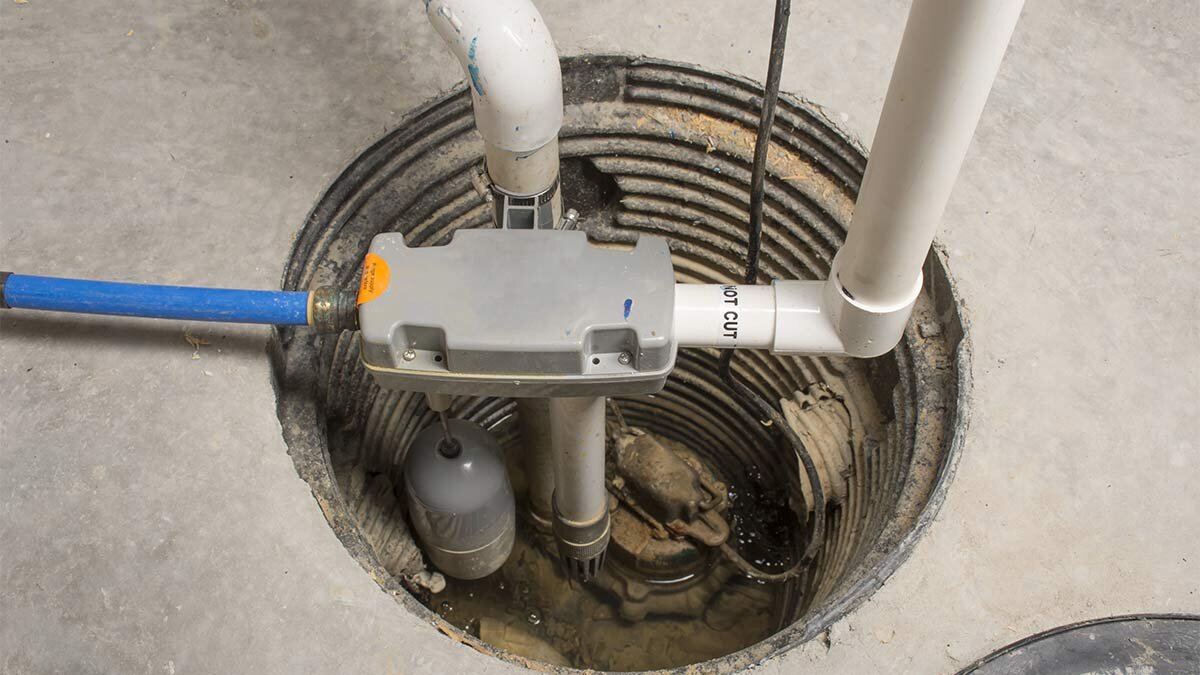
When water enters a warehouse, shop floor, or jobsite trailer, it can interrupt the workday and put your equipment at risk. A dependable sump pump helps you move water quickly, protect your space, and keep your team focused on the job. This guide walks through the different industrial sump pump types, float switch options, and maintenance steps so you can choose a system that fits your operation and stay ready for unexpected water events.
What Is a Heavy-Duty Sump Pump?
A heavy-duty sump pump is a high-capacity water removal pump designed for commercial or industrial spaces that experience frequent water intrusion, deep sump pits, or high flow volume during storms or equipment leaks. Use this type of pump when your operation needs dependable, continuous water removal to stay productive.
Submersible vs. Pedestal Sump Pumps for Commercial Sites
| Submersible Pumps | Pedestal Pumps | |
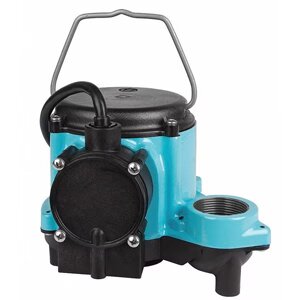 | 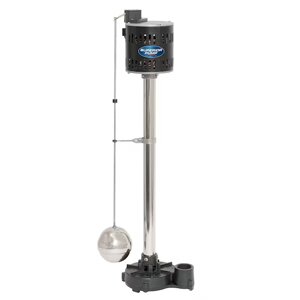 | |
| Location of Motor | Installed directly inside the sump pit; operates underwater. | Motor sits above the sump pit with a vertical shaft extending down into the water. |
| Space Requirements | Compact and fits entirely in the pit—ideal for limited space. | Requires more vertical clearance above the pit. |
| Noise Level | Quieter operation since the motor runs underwater. | Louder, as the motor is exposed above the pit. |
| Water Capacity | Designed for heavy-duty or high-capacity applications; handles higher flow rates. | Handles moderate water volumes; best for lighter or occasional use. |
| Maintenance Access | Harder to reach—must remove the unit for service. | Easier to access and maintain without removing the pump. |
| Durability | Constant exposure to water can shorten service life without regular maintenance. | Typically longer service life in lighter-duty conditions. |
| Best For | Deep pits, frequent water removal, or industrial sump pump use. | Shallow pits, light-duty applications, or sites needing quick maintenance. |
| Keep in Mind | Requires proper sealing and routine checks to prevent corrosion. | May not keep up during heavy flooding or large-volume events. |
Choosing the Right Float Switch for Your Facility
A sump pump’s performance depends on its activation system. Here are the most common float switch types used in commercial settings.
Tethered Float Switch
- Works well in large sump pits
- Float moves freely until it rises and triggers the pump
- May be affected by debris or sediment
Vertical Float Switch
- Space-saving option for smaller pits
- Float travels up a rod for reliable activation in tight areas
- Less prone to interference
Electronic or Pressure Switches
- No moving parts, making them useful where debris is common
- Senses water level electronically
- Often recommended for industrial environments with variable pit cleanliness
When to Consider High-Capacity or Backup Systems
If your business can’t afford downtime due to flooding or electrical outages, it’s worth looking into backup sump pumps or high-capacity pumps designed for continuous duty.
- Battery Backup Pumps: Provide protection when the power goes out.
- Water-Powered Backup Pumps: Use water pressure instead of electricity.
- Heavy-Duty or Industrial Pumps: Designed for higher gallons-per-hour (GPH) performance and tougher working conditions.
Sump Pump Maintenance Checklist
Even the toughest heavy-duty sump pump won’t perform without routine maintenance. Setting up a sump pump maintenance checklist helps you stay proactive and avoid costly water damage.
Here’s a quick schedule you can adapt for your site or facility.
Monthly or Quarterly
- Clear the pit of gravel, sludge, or debris
- Test the float switch activation
- Check discharge pipe for clogs or leaks
Twice a Year
- Inspect wiring and electrical connections
- Test your backup system
- Run a full pump cycle
Annually
- Review performance logs or visible wear
Schedule a professional inspection if the pump runs frequently or supports high water loads.
How to Pick the Right Pump for Your Business
Every building and business is different, but these questions can guide your decision.
- How much water do you expect to move during peak events?
- What’s the size and depth of your sump pit?
- Will the environment expose the pump to debris or heavy sediment?
- Do you have backup power or water pressure available during outages?
- How often can your team perform maintenance checks?
Keep Your Business Running Smoothly
Planning ahead makes water management easier. With the right heavy-duty sump pump, a reliable float switch, and a simple maintenance routine, your operation stays ready no matter the weather. At Zoro, we make it simple to find dependable submersible pumps, pedestal pumps, and high-capacity solutions designed to support hardworking facilities just like yours.
Product Compliance and Suitability
The statements contained in this guide are intended for general informational purposes only. Such statements do not constitute a product recommendation or representation as to the appropriateness, accuracy, completeness, correctness, or currentness of the information provided. Information provided in this guide does not replace the use by you of any manufacturer instructions, technical product manual, or other professional resource or adviser available to you. Always read, understand, and follow all manufacturer instructions. Portions of this article were generated in part by ChatGPT, and edited by a member of the Zoro team.
