


How Does Autoclave Sterilization Work?
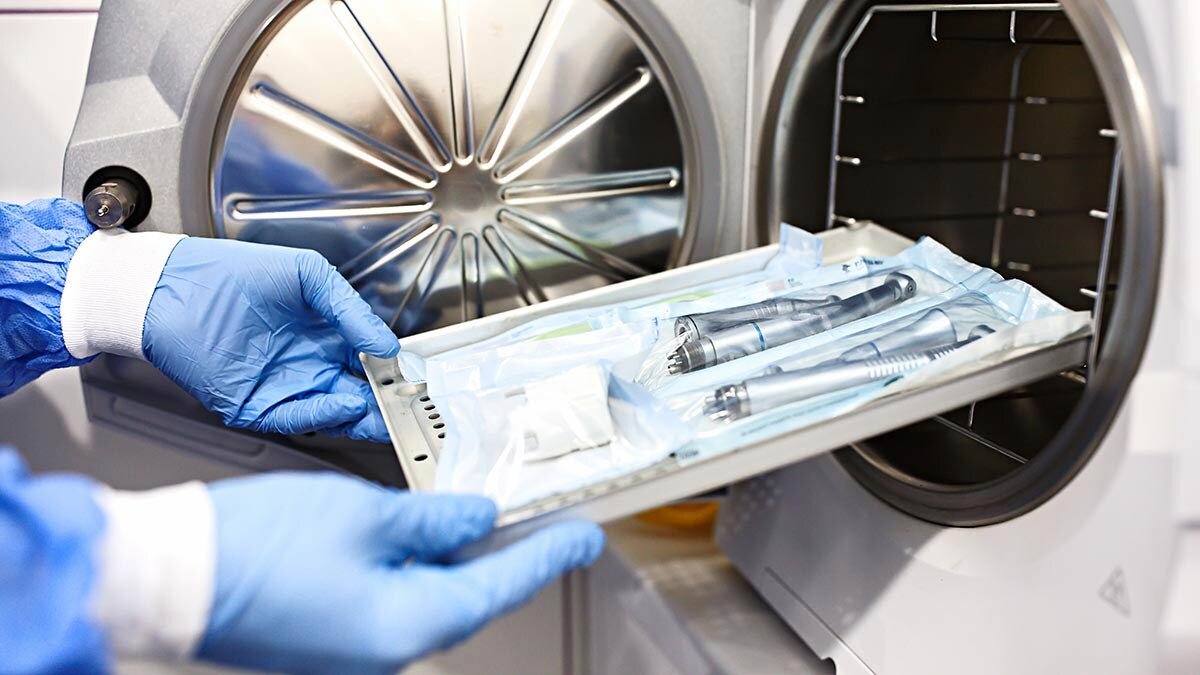
When it comes to keeping tools and equipment clean in medical, dental, and lab environments, understanding how autoclave sterilization works is a must. This widely used steam-under-pressure sterilization method enables you to reliably clean instruments by applying high‑pressure steam, making the autoclave sterilization process both practical and compliant.
What Is the Autoclave Sterilization Process?
The autoclave sterilization process uses high-pressure, high-temperature steam to kill bacteria, viruses, fungi, and spores on instruments and materials. Unlike dry heat, steam penetrates deeper into porous surfaces, making it a common method for sterilizing dental instruments, surgical tools, lab equipment, and more. The standard autoclave sterilization temperature and pressure typically range from 250°F (121°C) at 15 psi to 273°F (134°C) at 30 psi, depending on the type of autoclave and the cycle selected.
How Does an Autoclave Kill Microorganisms?
An autoclave works by exposing items to steam at a set temperature and pressure for a specified period of time. The combination of moisture, heat, and pressure denatures proteins and destroys cell membranes in microorganisms, ultimately rendering them inactive. This is why autoclaves are often preferred over dry heat sterilization, especially in environments where precision and safety are critical.
Autoclave Sterilization Process: Step-by-Step
Here’s a simplified version of the autoclave operating procedure for routine workplace use.
- Prep Your Tools – Clean off debris and rinse instruments before loading.
- Load the Chamber – Avoid overcrowding to ensure steam can circulate freely.
- Set the Cycle – Choose your cycle based on the material type and load.
- Start the Cycle – Monitor gauges to ensure the autoclave reaches the proper temperature and pressure.
- Cool and Dry – Let items cool before removing. Use gloves to avoid burns.
- Document It – Keep records for compliance with your industry standards.
This step-by-step approach is key to ensuring the autoclave validation process passes inspection, whether internal or regulatory.
Autoclave Validation Process: Why It Matters
Validation ensures that your autoclave is actually doing its job. This usually includes:
- Biological indicators (e.g., spore tests)
- Chemical indicators (color-change strips)
- Mechanical indicators (temperature/pressure readings)
Most small businesses are required to perform weekly biological indicator tests to comply with OSHA or state regulations, especially if you're using an autoclave for dental instruments or in healthcare settings.
Autoclave vs. Sterilizer: What’s the Difference?
“Sterilizer” is generic; an autoclave specifically uses pressurized steam. Other sterilizers include dry heat ovens or chemical sterilizers. But due to efficiency, penetration, and reliability, steam sterilization methods remain the gold standard in many small business settings.
Why Knowing How Autoclave Sterilization Works Benefits You
As a small business owner, you’re not just managing equipment; you’re safeguarding quality, your reputation, and compliance. Clear procedures and reliable validation build confidence, both for you and your clients.
Product Compliance and Suitability
The statements contained in this guide are intended for general informational purposes only. Such statements do not constitute a product recommendation or representation as to the appropriateness, accuracy, completeness, correctness, or currentness of the information provided. Information provided in this guide does not replace the use by you of any manufacturer instructions, technical product manual, or other professional resource or adviser available to you. Always read, understand, and follow all manufacturer instructions. Portions of this article were generated in part by ChatGPT, and edited by a member of the Zoro team.
