


How to Adjust the Water Level in a Toilet Bowl
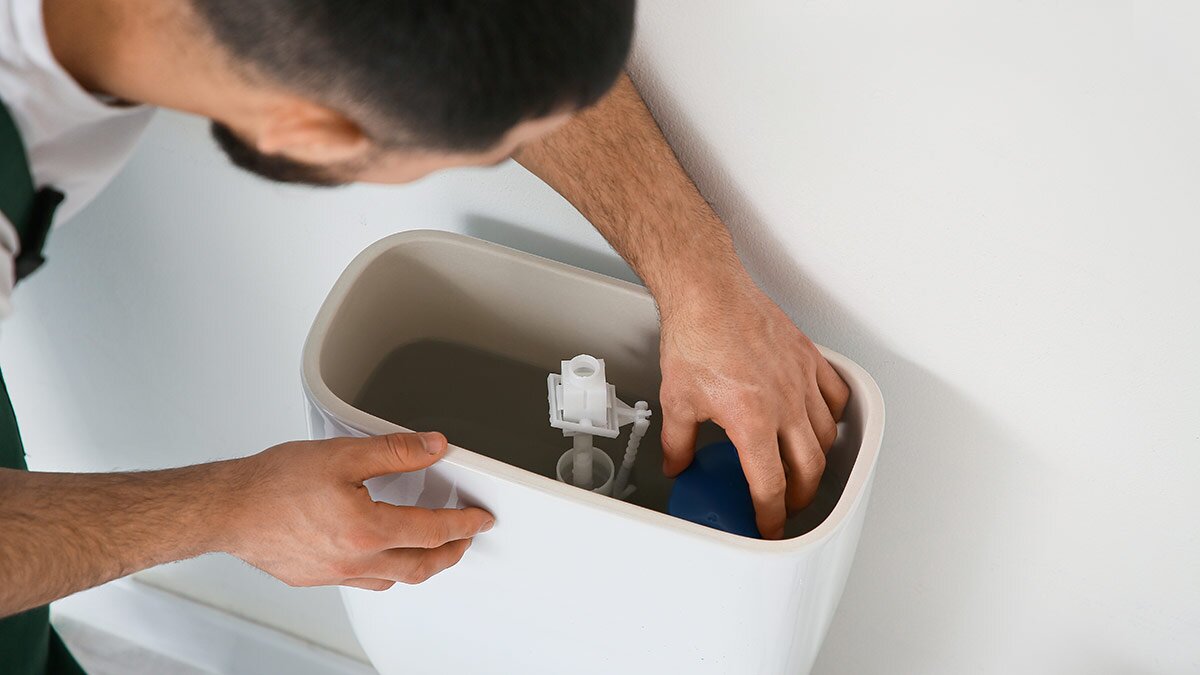
If the toilets in your building aren't filling properly, the bowl water level is too high, or a toilet keeps running after a flush, it’s more than an inconvenience. It can impact your operations, affect customer and employee experience, and even run up your water bill. Knowing how to adjust the toilet water level in your restrooms is a simple way to stay on top of maintenance and avoid calls to a plumber for issues you or your team can easily fix. Here’s a guide to adjusting the water level in a toilet bowl, whether you're troubleshooting a low fill or dealing with a toilet that won’t stop running.
Why Water Level Matters in a Commercial Setting
In a warehouse, manufacturing facility, or office building, restroom issues don’t just stay in the stall—they can impact your entire operation. If the bowl water level is off:
The flush may be incomplete.
You may risk overflows.
You may waste water or wear out internal tank parts early.
By understanding how much water should be in the toilet bowl and how to make adjustments, you reduce those risks and keep things running reliably.
Signs You Need to Adjust the Water Level
Before diving into adjustments, check for these common indicators that your system needs attention.
The water level is too low, causing incomplete flushes.
The water level is too high, and water spills into the overflow tube or even the bowl.
The float mechanism seems off, so the tank overfills or doesn’t fill at all.
The water level drops between flushes.
The toilet keeps running after flushes or won’t fill properly even after being adjusted.
These signs often point to a need for toilet fill valve troubleshooting or general float-mechanism adjustment.
How to Adjust Water Level in a Toilet
Step 1: Turn Off the Water Supply
Start by shutting off the water valve located behind the toilet. This prevents accidental overflows while you're working.
Step 2: Check the Fill Valve and Float Mechanism
Lift the tank lid and locate the fill valve and float. Most modern tanks use a float cup on a vertical shaft, while older models may have a float ball on a metal arm.
Step 3: Make the Adjustment
To adjust the fill valve in your toilet, locate the adjustment screw or clip.
- For float cups: Use a screwdriver to turn the adjustment screw on the top of the fill valve. Turn clockwise to raise the water level and counterclockwise to lower it.
- For float balls: Gently bend the float arm up to raise the water level or down to lower it.
The goal is to get the water to stop about one inch below the top of the overflow tube, which is typically marked inside the tank. This level ensures an effective flush without wasting water.
Step 4: Test the Flush and Recheck the Level
Turn the water back on, let the tank fill, and flush the toilet. Watch how it fills again. If needed, make small adjustments until the toilet tank water level matches the recommended line.
What to Do If Your Toilet Still Won’t Fill or Stays Running
If you’ve gone through float adjustment and you’re still dealing with issues, it’s time for proper toilet fill valve repair.
Turn off the water supply.
Flush the toilet to empty the tank.
Remove the old fill valve and install the new one per the manufacturer’s instructions.
After installation, adjust the float to set the correct water level. Then test for full fill, flush performance, and that the level remains steady.
How Much Water Should Be in the Toilet Bowl?
For commercial restrooms, ensuring an appropriate water level in the bowl is important because too little water can cause clogs or incomplete flushes, and too much can overflow or waste water. The correct level in the tank (about 1" below the overflow tube) typically results in the right amount of water in the bowl. If you see the bowl water line is too low or too high, revisit the fill valve and float mechanisms using the steps above.
Pro Tip for Business Owners
If you manage multiple stalls or a high-traffic restroom, include water-level checks in your monthly maintenance checklist. Confirm that each toilet’s tank fill valve and float mechanism are functioning properly and that the water level stays within recommended limits. Even if your maintenance team handles the details, your leadership in providing clear, efficient restroom performance supports a professional facility presence and protects your bottom line.
Final Thoughts
When your restrooms run smoothly, your business runs smoothly too. Don’t let an underfilled, overflowing, or constantly running toilet slow you down. A quick toilet tank float adjustment or toilet fill valve repair can make a big difference by saving water, preventing disruptions, and keeping your facility comfortable for everyone. Need replacement parts or tools to get the job done? Shop Zoro’s selection of fill valves, floats, and plumbing repair essentials today to keep your restrooms operating efficiently and your business flowing without interruption.
Product Compliance and Suitability
The statements contained in this guide are intended for general informational purposes only. Such statements do not constitute a product recommendation or representation as to the appropriateness, accuracy, completeness, correctness, or currentness of the information provided. Information provided in this guide does not replace the use by you of any manufacturer instructions, technical product manual, or other professional resource or adviser available to you. Always read, understand, and follow all manufacturer instructions. Portions of this article were generated in part by ChatGPT, and edited by a member of the Zoro team.
