
How to Change an Angle Grinder Blade
Change an angle grinder wheel safely with these step-by-step tips.
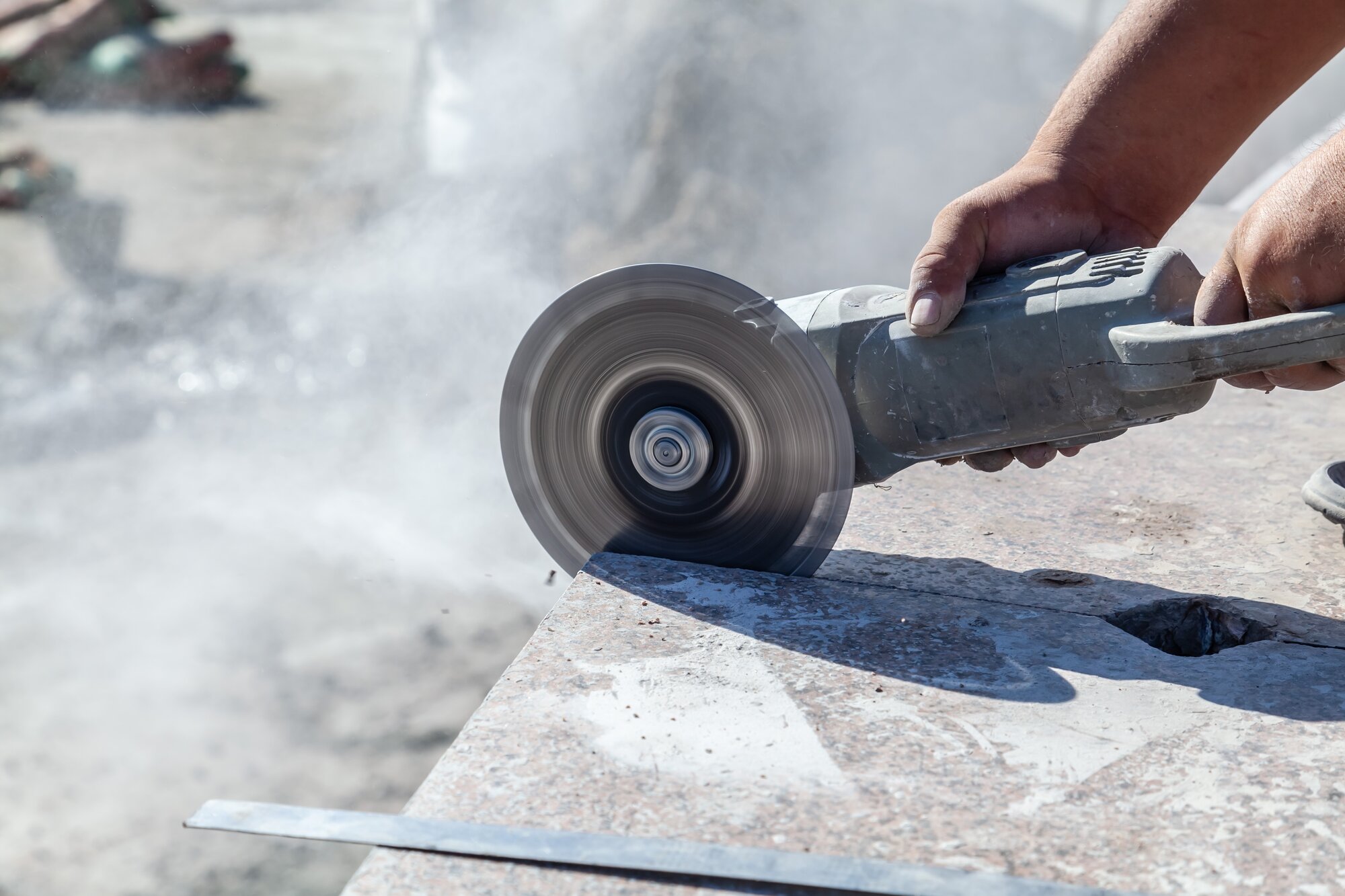
How to Change an Angle Grinder Blade (Wheel)
What you’ll need
- Correct replacement wheel/disc for your grinder and application
- The grinder’s spanner wrench (or tool-free flange if your model has one)
- PPE: eye/face protection + hearing protection (and respiratory protection for dusty work). Zoro also emphasizes following manufacturer instructions and safety practices.
Before you start: safety checks (don’t skip)
- Unplug corded grinders or remove the battery on cordless models.
- Let the wheel stop completely and cool down if you were cutting/grinding.
- Confirm the new wheel is:
- The correct diameter for your grinder and guard
- Rated for the grinder’s RPM
- The right type for the job (cut-off vs grinding vs flap, etc.). Zoro’s wheel selection guide covers common wheel styles and selection considerations.
- Keep the guard installed and correctly positioned unless the manufacturer instructs otherwise.
Step-by-step: how to change an angle grinder wheel
These steps work for most small angle grinders (the exact flange/lock setup varies by brand—always follow your manual).
1) Power off and secure the tool
- Unplug/remove battery.
- Place the grinder on a stable surface with the wheel facing up.
2) Engage the spindle lock
- Press and hold the spindle lock button (usually on top of the gearbox).
- Rotate the wheel by hand until the lock “clicks” and the spindle won’t turn.
3) Loosen the flange nut (or quick-release)
- If your grinder uses a two-hole flange nut:
- Insert the spanner wrench into the holes.
- Turn to loosen (most loosen counterclockwise, but confirm for your model).
- If your grinder has a tool-free or quick-change system:
- Release it per the manufacturer instructions.
4) Remove the old wheel/disc
- Take off the flange nut and any washer/backing flange as applicable.
- Slide the wheel off the spindle.
5) Inspect and clean the mounting surfaces
- Wipe the inner/outer flange faces.
- Check for burrs, cracks, or debris that could cause wobble.
6) Install the new wheel the right way
- Directional arrow: If the wheel has an arrow, match it to the grinder rotation.
- Cut-off wheels vs grinding wheels: Use the flange orientation recommended by the wheel/grinder manufacturer. Zoro’s wheel guide explains that different wheel styles are used for different applications.
- Reinstall the flange nut (snug, not over-torqued). Over-tightening can damage the wheel or make removal difficult.
7) Do a quick function check
- Ensure the guard is secure and not contacting the wheel.
- Spin the wheel by hand (with power disconnected) to confirm it clears the guard.
- Power on and let it run off the workpiece for 15–30 seconds to check for wobble/vibration (stand out of the wheel’s plane).
How to change specific attachments (quick notes)
Cut-off wheel (thin Type 1)
- Handle gently—thin wheels can chip if bumped.
- Confirm you’re using a wheel designed for cutting (not grinding).
Grinding wheel (Type 27 depressed center)
- Confirm flange orientation and guard compatibility.
- Use steady pressure; don’t force the wheel.
Flap disc
- Mount like a grinding wheel; great for blending and finishing.
Wire wheel/cup brush
- Confirm thread type and size (many are threaded).
- Wire wheels can throw wires—PPE matters.
Common mistakes to avoid
- Changing wheels while plugged in / battery installed
- Using the wrong wheel type (e.g., grinding with a cut-off wheel)
- Ignoring RPM ratings or using an oversized wheel
- Removing/defeating the guard
- Over-tightening the flange nut
FAQ
Why won’t my grinder wheel come off?
Common causes: over-tightened nut, debris on flange faces, or the wheel “self-tightened” under braking. Try engaging the spindle lock firmly and using the spanner wrench with controlled pressure. If it’s truly stuck, consult your grinder’s manual (avoid makeshift prying).
How do I know which wheel to buy?
Match wheel diameter, arbor size, max RPM, and application.
Product Compliance and Suitability
The statements contained in this guide are intended for general informational purposes only. Such statements do not constitute a product recommendation or representation as to the appropriateness, accuracy, completeness, correctness, or currentness of the information provided. Information provided in this guide does not replace the use by you of any manufacturer instructions, technical product manual, or other professional resource or adviser available to you. Always read, understand, and follow all manufacturer instructions. Portions of this article were generated in part by ChatGPT.
