


How to Choose Hydration Packs for Outdoor Crews
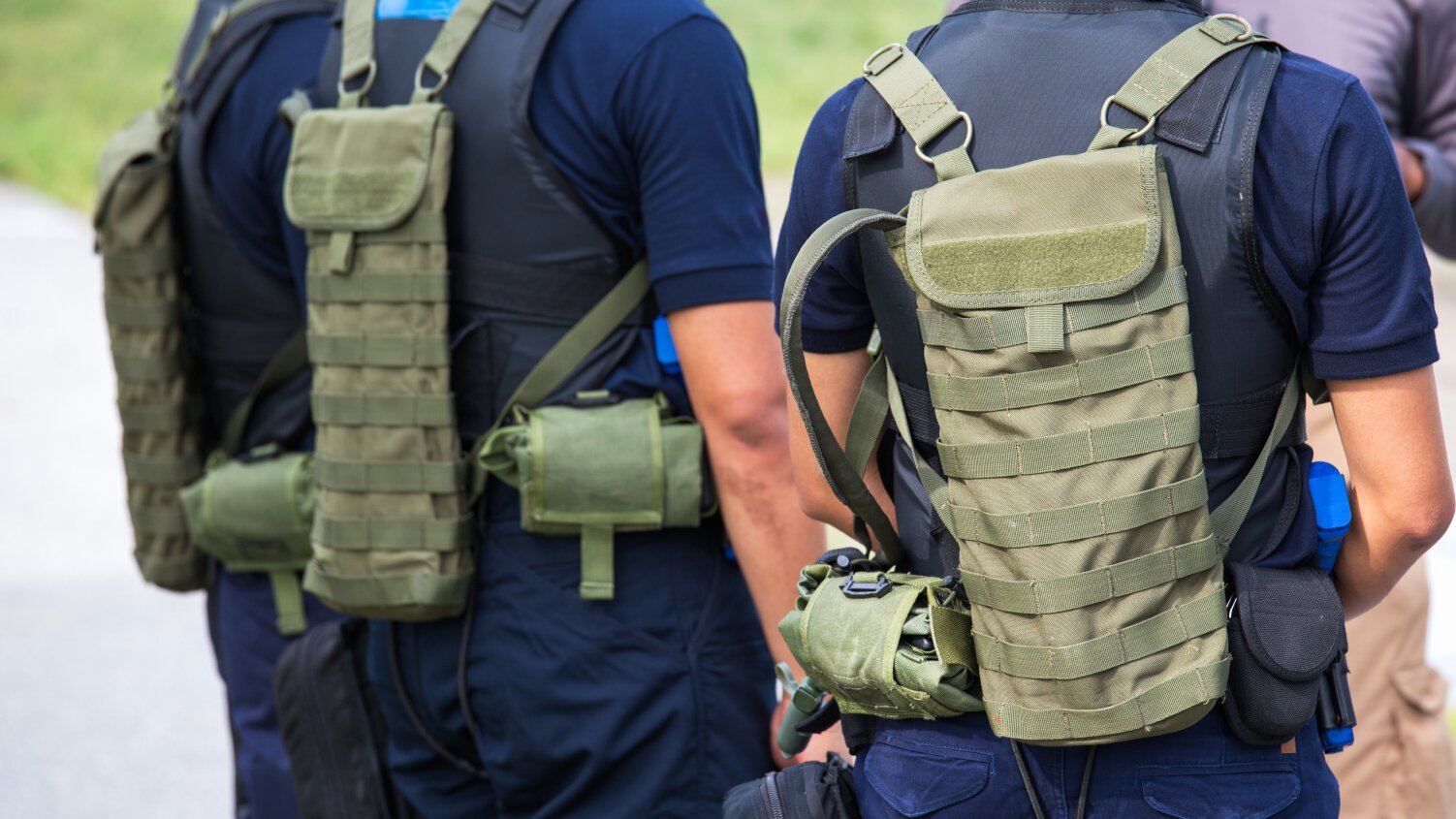
When your team works outdoors, hydration plays an essential role in promoting safety and maintaining productivity. Whether you oversee a construction site, landscaping project, or field maintenance crew, providing easy access to water can help support heat illness prevention efforts and align with OSHA standards. Under OSHA Standard 29 CFR 1926.51, employers must make drinking water available and encourage frequent hydration during high-heat conditions. Hydration packs offer a practical, hands-free option for jobsites where fixed water stations may not always be accessible, helping workers stay focused and prepared throughout the day.
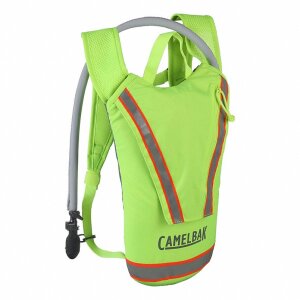 | 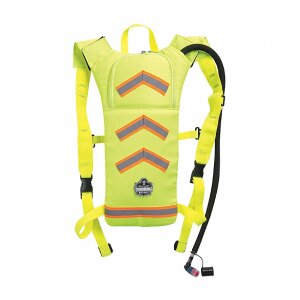 |
Finding the Right Water Volume for Your Crew
When you’re responsible for a crew working outdoors, planning ahead for hydration is critical, especially when the heat rises. OSHA and NIOSH recommend that every worker drink 24–32 ounces of water per hour in high-heat conditions. Over the course of a full shift, that adds up to nearly 3 liters of water per person.
As a small business owner, making sure your team has access to enough water—and the right equipment to carry it—helps prevent heat-related illnesses and keeps productivity steady all day long.
| Recommended Amount of H20 | Shift Duration/Type of Work |
| 1.5L | Short shift/low exertion |
| 2L - 3L | Full shift |
| 3L+ | Long or remote shifts/high exertion |
Features to Look For
Here are a few key considerations to help you choose OSHA-friendly hydration products that fit your team’s needs.
Capacity and Duration
Select a hydration pack size based on the length of the average shift and how easily workers can access refilling stations.
Pack Type and Portability
Depending on the type of work and mobility needs, you can choose between hydration backpacks, water waist packs, or modular options that attach to existing PPE or gear.
Hands-Free Access
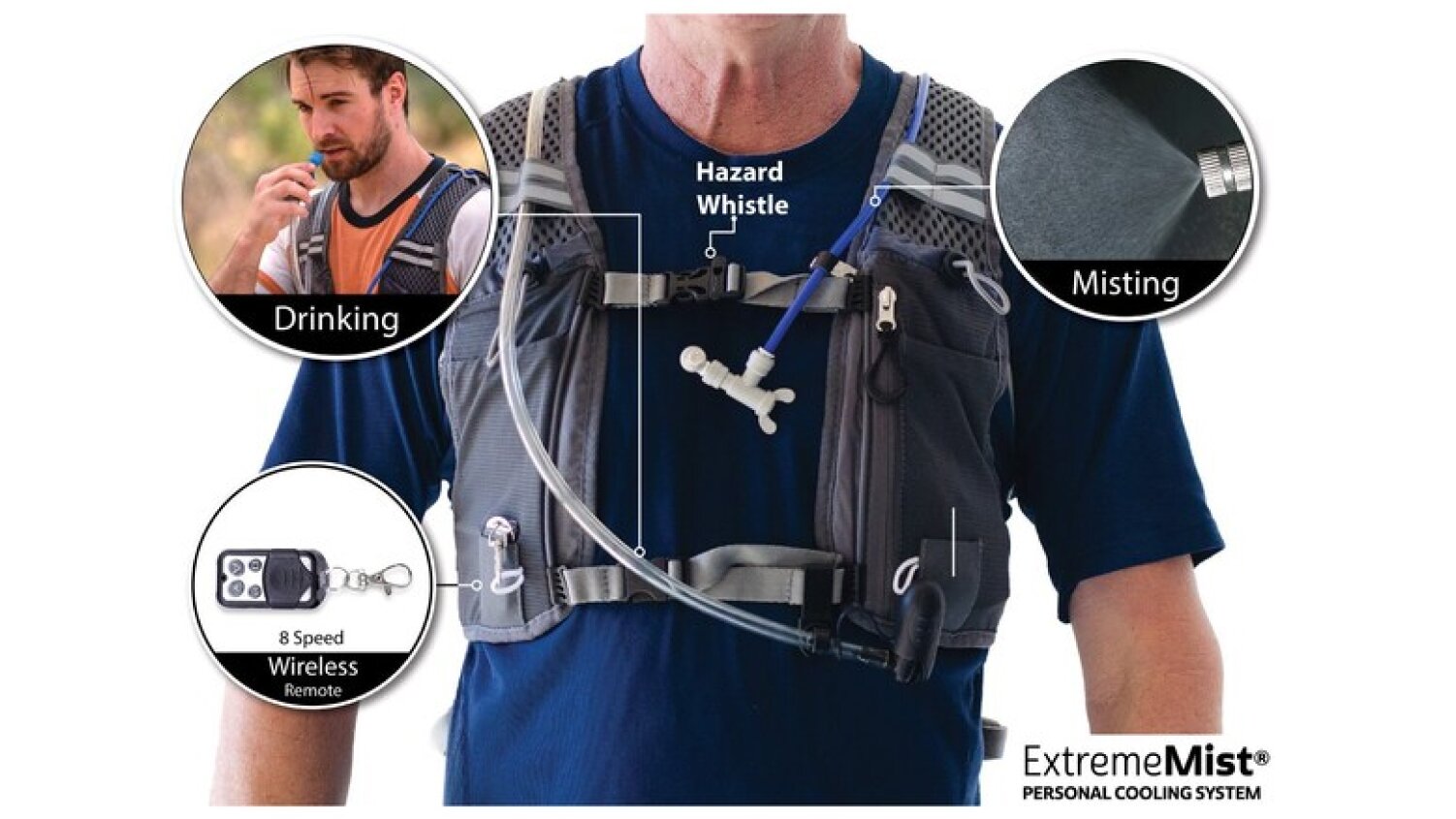
Look for hydration systems with bite valves and long hoses so workers can hydrate without interrupting tasks, removing gloves, or stepping away from their tools.
Durability and Safety
Prioritize rugged, abrasion-resistant materials like ripstop nylon or coated polyester. Reinforced seams, leakproof water bladders, and gear that's compatible with vests and harnesses help ensure long-term durability and worker safety.
Insulation and Temperature Control
In high temperatures, insulated water packs or reservoirs with cold compartments can help keep drinking water cooler for longer—making a real difference on extended outdoor shifts.
The use of hydration packs supports more than comfort. It protects your crew’s health, helps meet OSHA hydration standards, and keeps your team on task. Whether you're equipping a small landscaping crew or a large construction site, investing in durable, well-fitted hydration gear is a smart step toward a safer, more productive workday.
Product Compliance and Suitability
The statements contained in this guide are intended for general informational purposes only. Such statements do not constitute a product recommendation or representation as to the appropriateness, accuracy, completeness, correctness, or currentness of the information provided. Information provided in this guide does not replace the use by you of any manufacturer instructions, technical product manual, or other professional resource or adviser available to you. Always read, understand, and follow all manufacturer instructions. Portions of this article were generated in part by ChatGPT, and edited by a member of the Zoro team.
