


How to Choose the Right Punch Tool for Your Shop
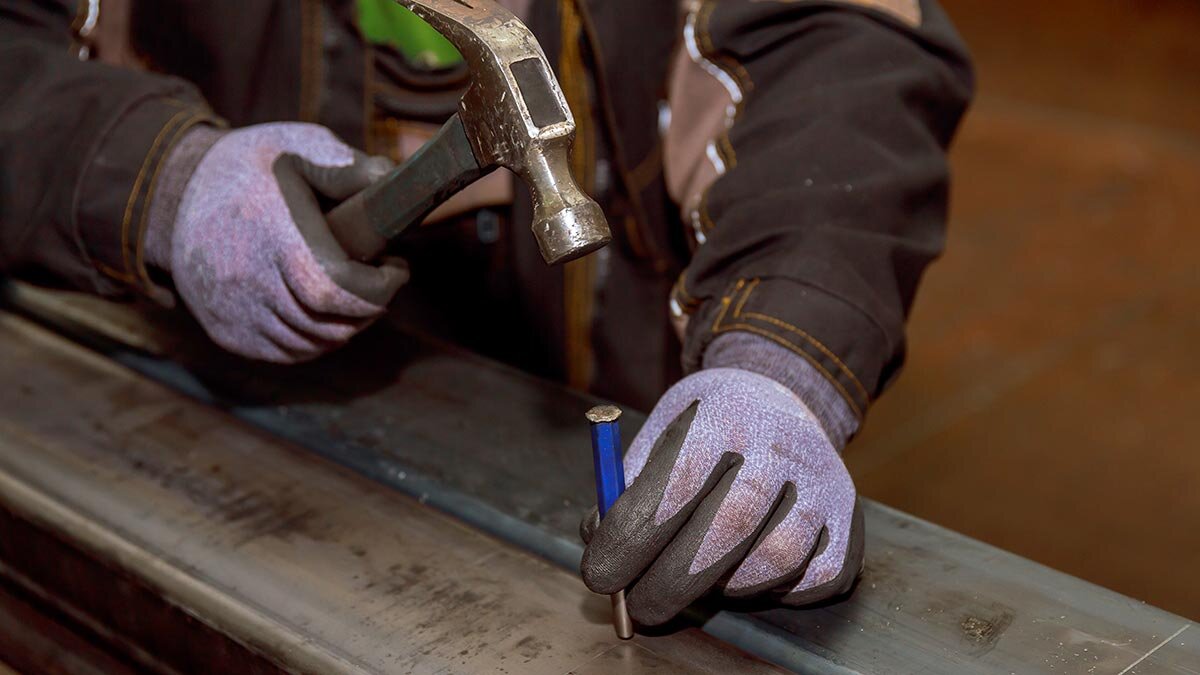
When it comes to metalworking and fabrication, precision is everything. Whether marking, aligning, or driving out pins and bolts, having the right punch tool for the job ensures efficiency and accuracy. But with so many types of punch tools available, how do you choose the right one for your shop? This guide will review essential factors to consider, covering punch tool types, material compatibility, and typical uses.. You're in the right place if you’re a small-to-medium size business owner or contractor looking to optimize your workflow.
Punch Tool Selection Guide: Finding the Right Fit for Your Shop
Choosing the right punch tool depends on your specific application, material compatibility, and efficiency needs. Here’s a breakdown of common punch tools, their functions, and where to find them at Zoro.
| Punch Tool Type | Typical Uses |
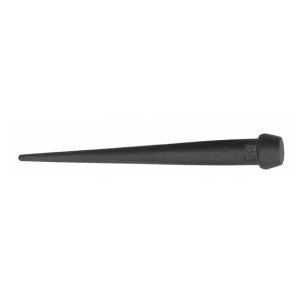 | Used to drive out solid pins or bolts once loosened. |
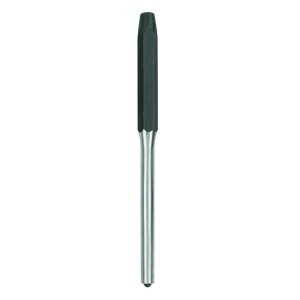 | Designed to install or remove hollow roll pins in machinery and assembly. |
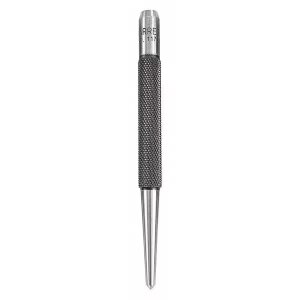 | Creates a deeper indentation to guide a drill bit and prevent slipping. |
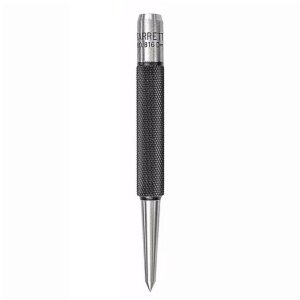 | Makes finer marks for layout work; used before center punching. |
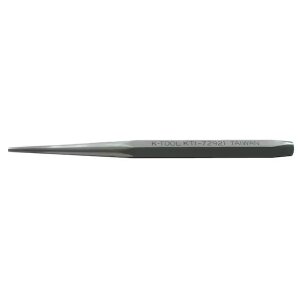 | Aligns holes before inserting fasteners or bolts. |
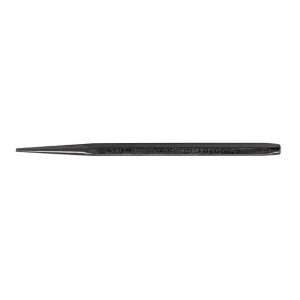 | Loosens pins before transitioning to a pin punch. |
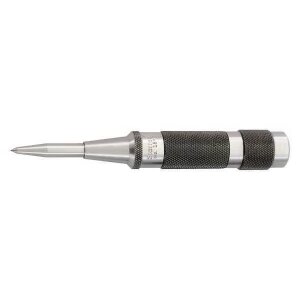 | Spring-loaded for repetitive marking without needing a hammer. |
Key Considerations When Selecting a Punch Tool
Choosing the right punch tool for your shop depends on several factors.
- Application: Consider whether the punch is for marking, alignment, or pin removal.
- Impact vs. Precision: Some jobs require force, while others demand accuracy—choose accordingly.
- Workpiece Material & Thickness: The punch’s material should be suitable for the hardness of the workpiece.
- Maintenance & Durability: Proper care extends tool life, so selecting a well-built punch can reduce replacement costs.
Pneumatic vs. Electric Drills: Which One Pairs Best with Punch Tools?
Selecting the right power tool is equally important if you’re using a punch tool in conjunction with drilling. Here’s a quick comparison.
Pneumatic Drills – Known for their high torque output, these are commonly used in industrial settings where air compressors are available. They’re durable and well-suited for repetitive, high-demand tasks.
Electric Drills – A more versatile option, electric drills (corded or cordless) provide variable speed control, making them ideal for precision applications.
Looking for a drill to use with your punch tools? Discover the key differences, benefits, and typical uses in our in-depth guide.
Find the Right Punch Tool for Your Shop at Zoro
At Zoro, we understand that the right tools can make all the difference in a professional setting. Whether you're aligning parts, marking surfaces, or driving out pins, we offer a wide selection of punch tools built for durability and precision. Explore our inventory and equip your shop with the right tools to get the job done efficiently.
Product Compliance and Suitability
The statements contained in this guide are intended for general informational purposes only. Such statements do not constitute a product recommendation or representation as to the appropriateness, accuracy, completeness, correctness, or currentness of the information provided. Information provided in this guide does not replace the use by you of any manufacturer instructions, technical product manual, or other professional resource or adviser available to you. Always read, understand, and follow all manufacturer instructions. Portions of this article were generated in part by ChatGPT, and edited by a member of the Zoro team.
