


How to Choose the Right Sandpaper for the Job
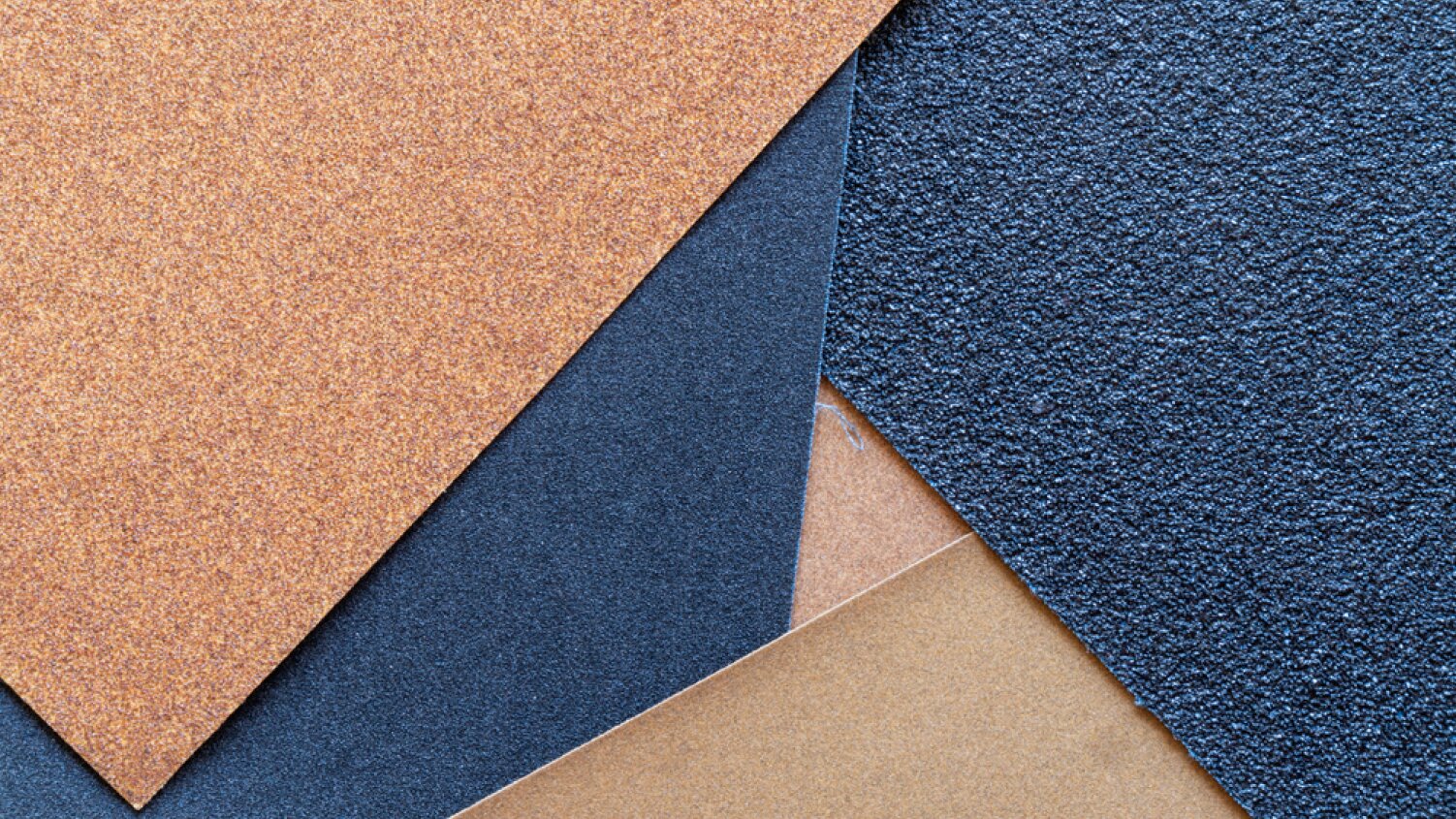
Choosing the right sandpaper for your next project will greatly impact your results. From a range of grit levels to the material the sandpaper is made from, there’s a lot to consider. Whether you’re smoothing edges, refinishing, or preparing your workpiece for stain or paint, the information in this guide will help you choose the right sandpaper for the job.
The Types of Sandpaper Grit Materials
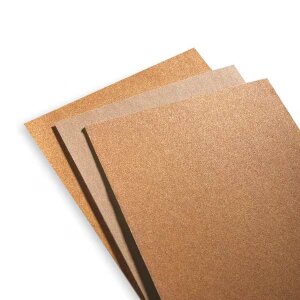
When you think of sandpaper, it’s natural to assume that sand is the abrasive that gives your substrate its smooth finish. In actuality, sandpaper is available in a variety of grit materials. This chart explains the different materials sandpaper is offered in and what they’re best used for.
| Sandpaper Grit Material | Best Used For |
Garnet Sandpaper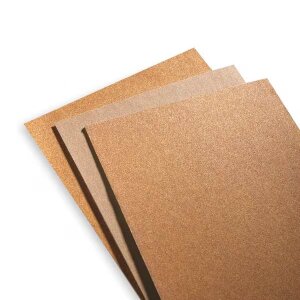 | Ideal for fine sanding and polishing materials such as plastic, wood, and leather. |
Emery Sandpaper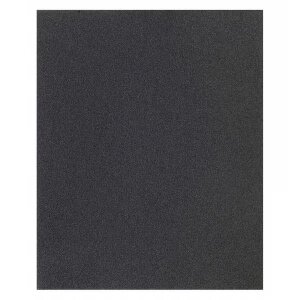 | Ideal for removing corrosion and polishing metals. |
Aluminum Oxide Sandpaper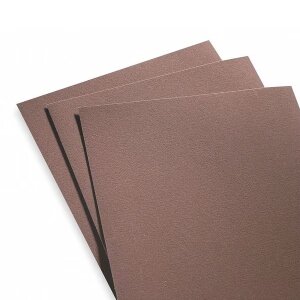 | Ideal for use on all types of woods and metals. |
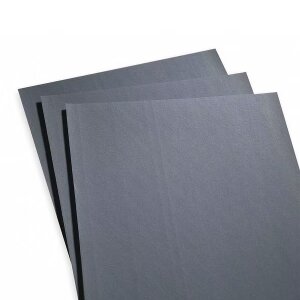
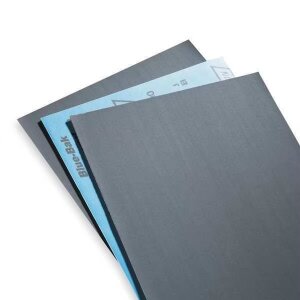
Silicon Carbide Sandpaper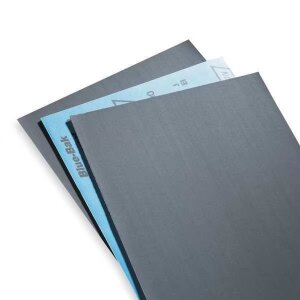 | Ideal for use on wood, plastic, and metal. It’s commonly used for rough-sanding, removing paint or rust, sanding between coats, or smoothing drywall joints. |
Zirconia Alumina Sandpaper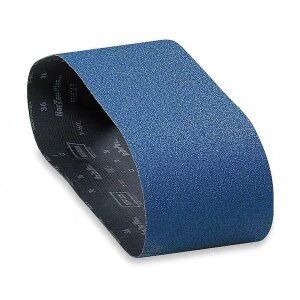 | Ideal for wood, fiberglass, metal, and painted surfaces. |
Ceramic Sandpaper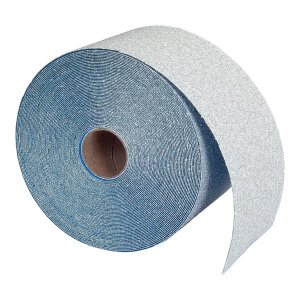 | This sandpaper is extremely hard and durable and is best used for rough sanding projects. |
The Importance of Sandpaper Grit Numbers
Sandpaper is made with fine particles (known as grains or grit) from either natural or synthetic materials. During the manufacturing process, these particles are sifted and sorted by size before they are bonded to a paper, sponge, or cloth backing. The finer the grit is, the higher the grit number will be.
Coarse grits, fine grits, and everything in between all have a specific purpose. For example, coarse grits are used for removing material, while fine grits are ideal for smoothing and polishing. The grit you choose for your project will make a big impact on your overall project, so be sure to choose wisely.
| Grit Range | Best Used For |
36 to 100Grit shown: 60 |
Sandpaper within a 36-100 grit range is great for removing material and is compatible with power sanders.
|
100 to 180Grit shown: 100 |
Sandpaper within a 100-180 grit range works well for hand-sanding, power-sanding, and preparing bare surfaces for finishes. The larger grit papers work well on metal.
|
180 to 320Grit shown: 320 |
Sandpaper within a 180-320 grit range is ideal for finishing.
|
Product Compliance and Suitability
The product statements contained in this guide are intended for general informational purposes only. Such product statements do not constitute a product recommendation or representation as to the appropriateness, accuracy, completeness, correctness, or currentness of the information provided. Information provided in this guide does not replace the use by you of any manufacturer instructions, technical product manual, or other professional resource or adviser available to you. Always read, understand, and follow all manufacturer instructions.
