


How to Clean a Coolant System and Perform a Radiator Flush
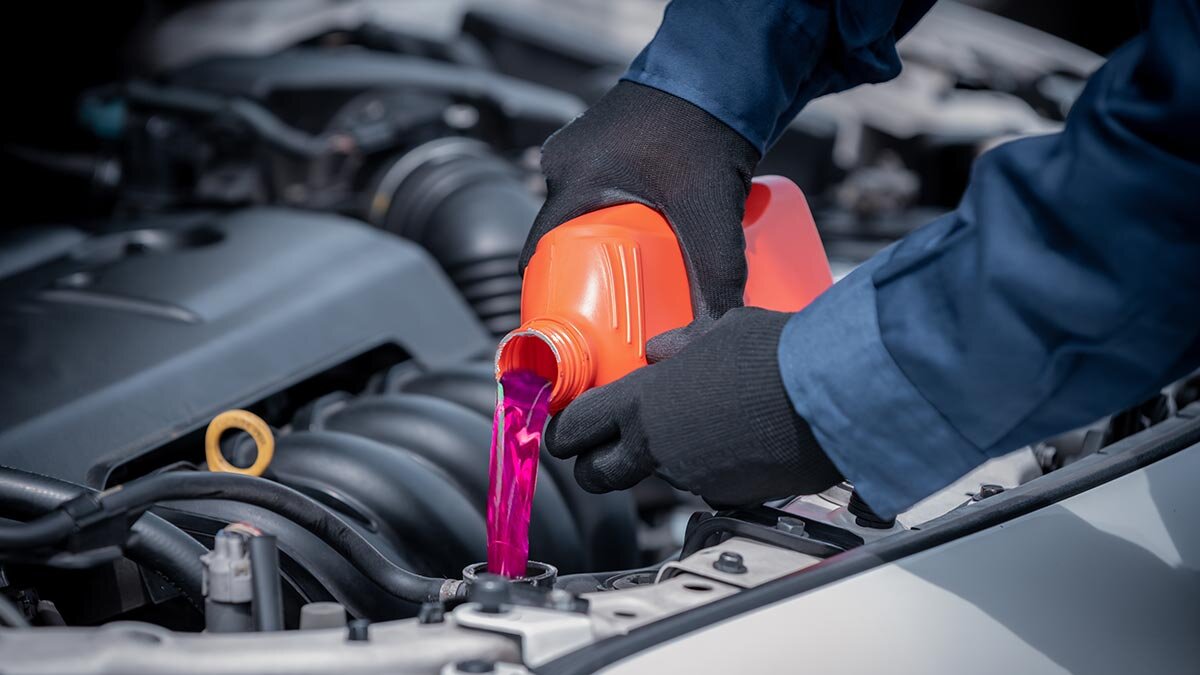
If you’re wondering how to clean a coolant system in your fleet vehicles or shop machinery, a coolant system flush is a smart place to start. Over time, coolant breaks down, leaving behind rust, scale, and deposits that clog the radiator and reduce heat transfer. Performing a radiator flush keeps your engines cooler, longer, and helps avoid preventable breakdowns. This guide walks through everything you need to know: from how to flush engine coolant to choosing a radiator flush solution that suits your equipment.
Why Flushing Your Coolant System Matters
Coolant doesn’t last forever. If left too long, it can become acidic and corrosive, harming your radiator, water pump, and internal engine parts. A proper cooling system cleaning routine helps to:
- Maintain efficient engine performance.
- Prevent overheating and corrosion.
- Extend the life of critical vehicle components.
- Reduce downtime in your shop or on the jobsite.
Whether you're managing a service van or forklift fleet, knowing how to flush a cooling system is an essential part of routine maintenance.
What You’ll Need for a Radiator Flush
Before you get started, gather the following:
- Radiator flush product (e.g., Prestone radiator flush, chemical flush radiator formula)
- Clean water (distilled is ideal)
- Drain pan
- Funnel and hose
- Protective gloves and eye protection
- New coolant rated for your specific system
Using a commercial car radiator cleaner can help break down sludge and residue left behind by old coolant. Check product compatibility before use.
How to Flush a Cooling System: Step-by-Step
1. Let the Engine Cool
Make sure the vehicle or equipment has cooled fully before opening the radiator cap or drain plug.
2. Drain Old Coolant
Place your drain pan under the radiator. Open the drain valve or remove the lower hose to let old coolant flow out. Dispose of used coolant safely (it’s considered hazardous waste).
3. Add Cooling System Cleaner
Close the drain valve. Pour in your chemical flush radiator solution, then top off with water. Follow the product's instructions carefully.
4. Run the Engine
Start the engine and turn on the heater to circulate the cleaner. Let it run for the recommended time (usually 10–15 minutes), allowing the thermostat to open fully.
5. Drain and Rinse
Shut the engine off and let it cool. Drain the system again. Flush with clean water until it runs clear.
6. Refill with Fresh Coolant
Once clean, close the system and refill with the correct coolant mix (usually 50/50 coolant and distilled water). Bleed any trapped air if needed.
Signs It’s Time for a Coolant or Radiator Flush
Watch for these warning signs:
- Engine running hot or fluctuating temperatures
- Dirty, rusty, or sludgy coolant
- Visible deposits in the radiator neck
- Heater performance issues
- Frequent top-offs or leaks
If you see these, it may be time to learn how to flush a cooling system and inspect for larger issues.
Final Takeaway
Understanding how to flush engine coolant and maintain a clean radiator helps keep your team moving. Whether you’re cleaning one vehicle or a dozen, the right cooling system cleaner and a little time go a long way. At Zoro, we’ve been in your shoes; we know every dollar and downtime minute counts. That’s why we make it easier to find the supplies you need, from radiator flush solutions to personal protective gear.
Product Compliance and Suitability
The statements contained in this guide are intended for general informational purposes only. Such statements do not constitute a product recommendation or representation as to the appropriateness, accuracy, completeness, correctness, or currentness of the information provided. Information provided in this guide does not replace the use by you of any manufacturer instructions, technical product manual, or other professional resource or adviser available to you. Always read, understand, and follow all manufacturer instructions. Portions of this article were generated in part by ChatGPT, and edited by a member of the Zoro team.
