


How to Clean Coolant and Antifreeze Off a Commercial Driveway
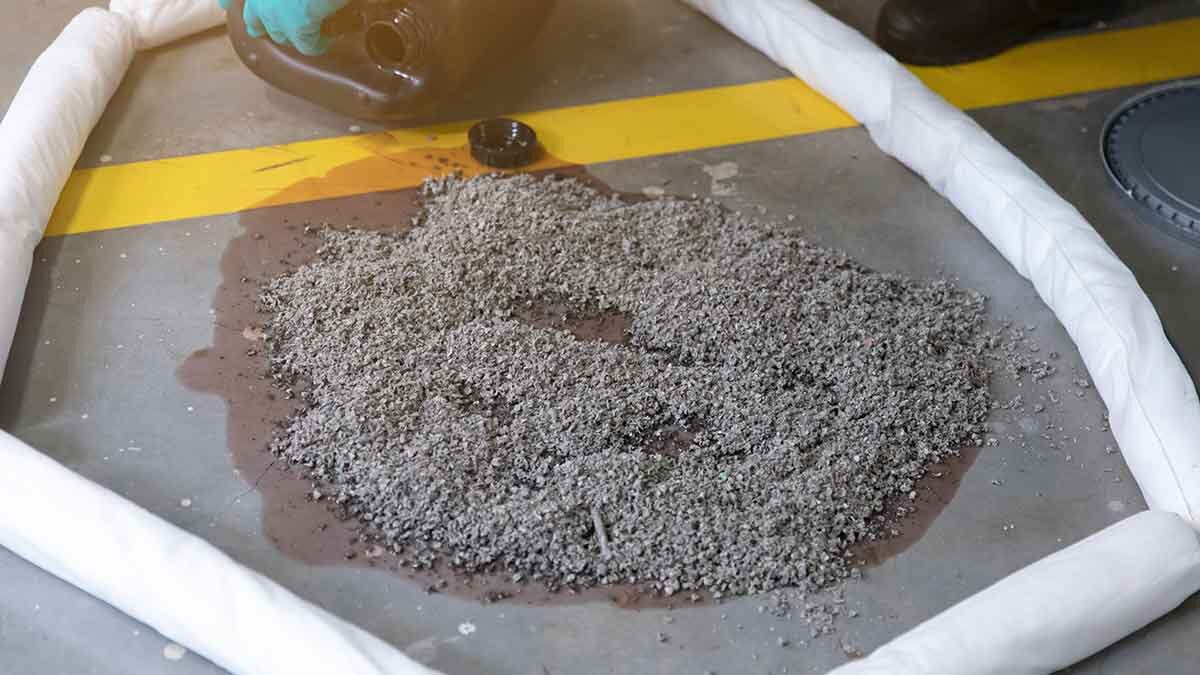
Coolant leaks and antifreeze spills aren’t just messy; they can create slip hazards, damage concrete, and lead to environmental compliance issues. If you’re a small business owner managing a shop, garage, or vehicle fleet, it’s important to know how to clean an antifreeze spill quickly and safely. Whether you're dealing with a driveway coolant leak on the ground or garage floor stains, this guide will walk you through the process.
Quick Summary
To clean antifreeze off a driveway or facility floor, contain the spill with absorbents, scrub with a degreaser, rinse, and safely dispose of materials.
Prioritize Safety
Before you grab the mop or degreaser, take a moment to gear up. Wear protective gloves and safety goggles to shield yourself from contact with coolant. It may look harmless, but coolant contains chemicals that can irritate skin and eyes.
This step’s not about overthinking—it’s about protecting your team so the job gets done without any setbacks. A few seconds of prep goes a long way on a busy shop floor.
Contain the Spill Immediately
If the antifreeze is still wet, don’t wait. Contain the spill before it spreads. Coolant can be slippery and may attract animals if left exposed.
Steps for containment:
- Apply absorbent mats, Oil-Dri, or kitty litter to soak up the liquid.
- Block off the area near drains or foot traffic paths.
- Wear gloves and PPE to avoid contact with skin.
Why it matters: This step reduces the chance of staining, slipping, or runoff into the stormwater system, which is a must for compliance in many localities.
Clean Coolant Off the Driveway or Shop Floor
After absorbing the bulk of the spill, it’s time to clean the surface. If you're managing a garage, lot, or service area, here's how to remove antifreeze from concrete.
- Sweep away used absorbents.
- Mix hot water and a commercial degreaser that is safe for concrete.
- Scrub using a stiff-bristle broom.
- Let the solution sit for 10–15 minutes.
- Rinse with water, using a shop vac or containment berm if necessary.
Does coolant stain concrete? Yes, but only if it’s allowed to dry and set in. Act quickly, and most stains will lift with minimal effort.
Remove Coolant Stains from Driveway Surfaces
If you’re left with a lingering stain after cleaning, try these methods.
- Apply an enzyme-based or oxidizing concrete cleaner.
- Use a pressure washer on a low setting (check manufacturer guidelines first).
- Skip bleach—it doesn’t remove coolant and can discolor concrete.
This step is especially useful for facility driveways that serve as customer touchpoints or employee entry areas.
After Cleanup: Disposal and Inspection
Once the area is clean:
- Dispose of all absorbents, rags, and gloves as hazardous waste, following local rules.
- Rinse and clean your tools or vacuums to prevent chemical buildup.
- Check for the source of the leak (hoses, radiator caps, reservoir connections) and schedule maintenance if needed.
Important: Improper disposal of antifreeze or contaminated absorbents can result in fines or environmental violations.
Preventing Future Antifreeze Spills
Small business owners often juggle safety, compliance, and productivity. A few preventative measures go a long way.
- Stock spill kits in every bay or vehicle area.
- Train your crew on how to clean antifreeze spills and dispose of materials properly.
- Use drip trays for recurring leaks.
- Conduct routine inspections of coolant systems in shop vehicles or equipment.
Final Thoughts
Whether you're handling a driveway coolant leak, trying to remove antifreeze from concrete, or figuring out how to clean an antifreeze spill in a car, quick action makes all the difference. You don’t need fancy tools; just a few reliable products, a solid process, and a team that knows what to do.
Product Compliance and Suitability
The statements contained in this guide are intended for general informational purposes only. Such statements do not constitute a product recommendation or representation as to the appropriateness, accuracy, completeness, correctness, or currentness of the information provided. Information provided in this guide does not replace the use by you of any manufacturer instructions, technical product manual, or other professional resource or adviser available to you. Always read, understand, and follow all manufacturer instructions. Portions of this article were generated in part by ChatGPT, and edited by a member of the Zoro team.
