


How to Get Permanent Marker Off Stainless Steel: What Business Owners Should Know
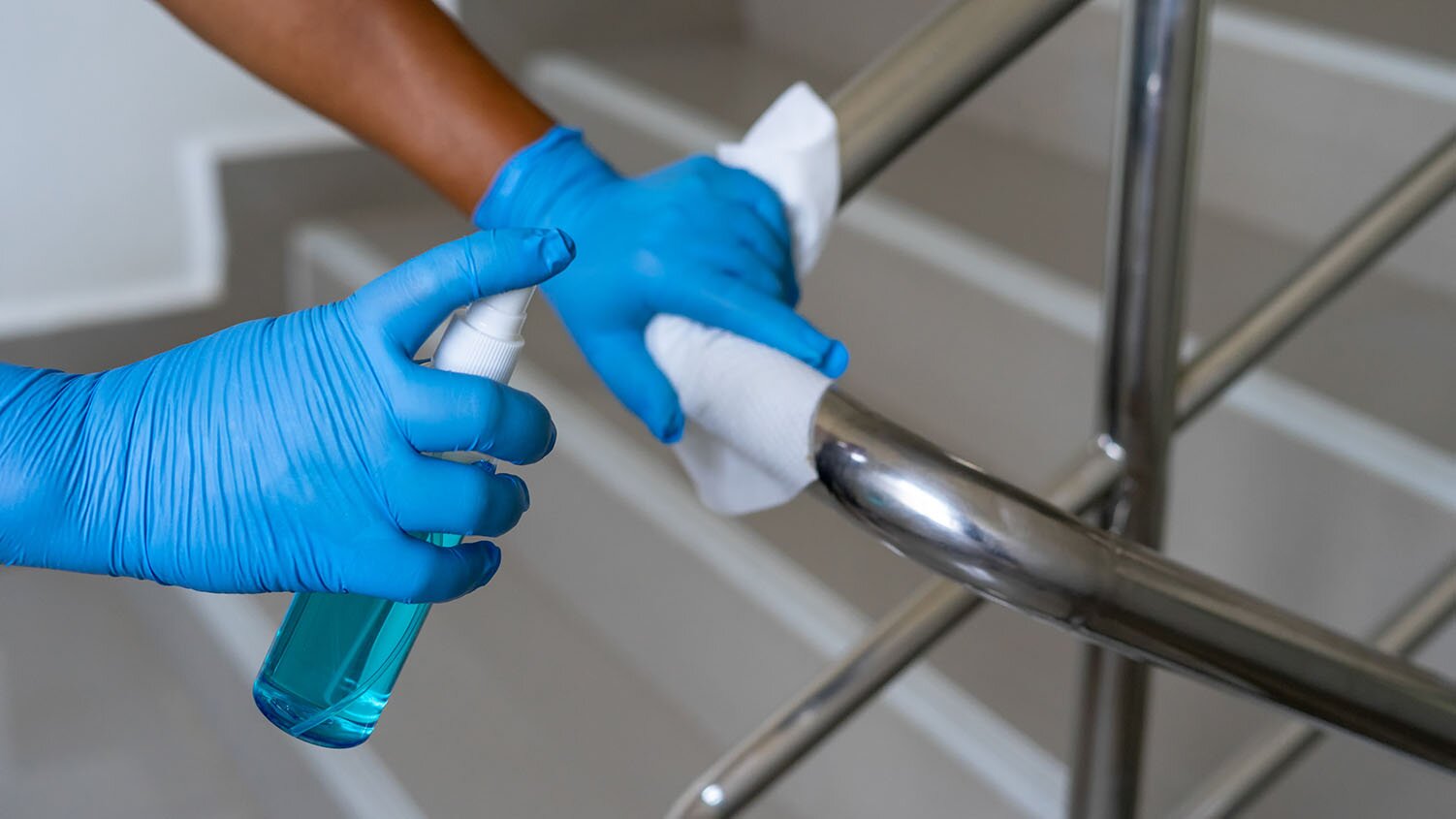
If you own or manage a business in construction or manufacturing, you've probably dealt with permanent marker stains on tools, storage units, equipment, or metal surfaces. These markings often seem harmless—until they won’t come off. And when you're dealing with stainless steel, the wrong cleaning method can do more harm than good. Whether you're prepping for a customer inspection or just cleaning up after a job, knowing how to remove permanent marker from stainless steel can keep your operations running smoother and your equipment looking clean.
How Do You Remove Permanent Marker from Stainless Steel?
Use rubbing alcohol or a dry-erase marker to loosen the ink. For tougher stains, try acetone or a commercial permanent marker remover. Always follow with a DIY stainless steel cleaner.
Now, let’s break down the most effective marker removal methods step by step, starting with what works and what to avoid.
What Removes Permanent Marker from Stainless Steel?
Here are three effective methods professionals often use to get rid of permanent marker marks.
1. Rubbing Alcohol (Isopropyl Alcohol)
If you're wondering if alcohol removes Sharpie marks, the good news is that yes, it does. Apply 70% or 90% isopropyl alcohol to a soft cloth and rub the stain gently. This is one of the most accessible and surface-safe methods.
2. Dry-Erase Marker Method
Surprisingly effective, this trick uses the solvents in dry-erase markers to lift permanent ink. Scribble directly over the Sharpie stain, then wipe it away with a microfiber cloth. This quick marker removal method works best on fresh marks.
3. Acetone or Nail Polish Remover
Need a stronger solution? Acetone dissolves stubborn ink. Apply sparingly with a clean cloth, then wipe and follow with a rinse. If you’re asking, “What takes Sharpie off stainless steel when alcohol doesn’t?”, this might be your next step.
What to Avoid When Removing Sharpie from Stainless Steel
Certain substances might seem like strong options, but they can damage or discolor stainless steel.
- Does bleach remove Sharpie? Technically yes, but it may corrode metal and is not recommended.
- Does hydrogen peroxide remove Sharpie? It’s safe, but often ineffective on ink.
- Avoid abrasive pads or steel wool. These can scratch the surface, making future cleaning harder.
Stainless Steel Cleaning Tips for Business Owners
Routine upkeep is key, especially in production or fabrication settings. Here’s how to keep things in top shape.
- Clean with the grain of the metal to avoid streaking.
- Use microfiber cloths instead of paper towels.
- Keep harsh chemicals away unless specified as stainless-safe.
- Post proper cleaning protocols in shared spaces or maintenance areas.
If your crews are constantly marking and labeling, marker smudges are bound to happen. But removing permanent marker doesn’t have to be a guessing game. These methods are quick, safe for stainless steel, and easy to work into your regular cleanup routines. And when it comes to stocking cleaning supplies? You don’t have to go hunting for what you need. We’ve got options that fit your workflow, so you can focus on the work that matters most.
Product Compliance and Suitability
The statements contained in this guide are intended for general informational purposes only. Such statements do not constitute a product recommendation or representation as to the appropriateness, accuracy, completeness, correctness, or currentness of the information provided. Information provided in this guide does not replace the use by you of any manufacturer instructions, technical product manual, or other professional resource or adviser available to you. Always read, understand, and follow all manufacturer instructions. Portions of this article were generated in part by ChatGPT, and edited by a member of the Zoro team.
