


How to Get Rid of Boxelder Bugs: 6 Tips for Small Businesses
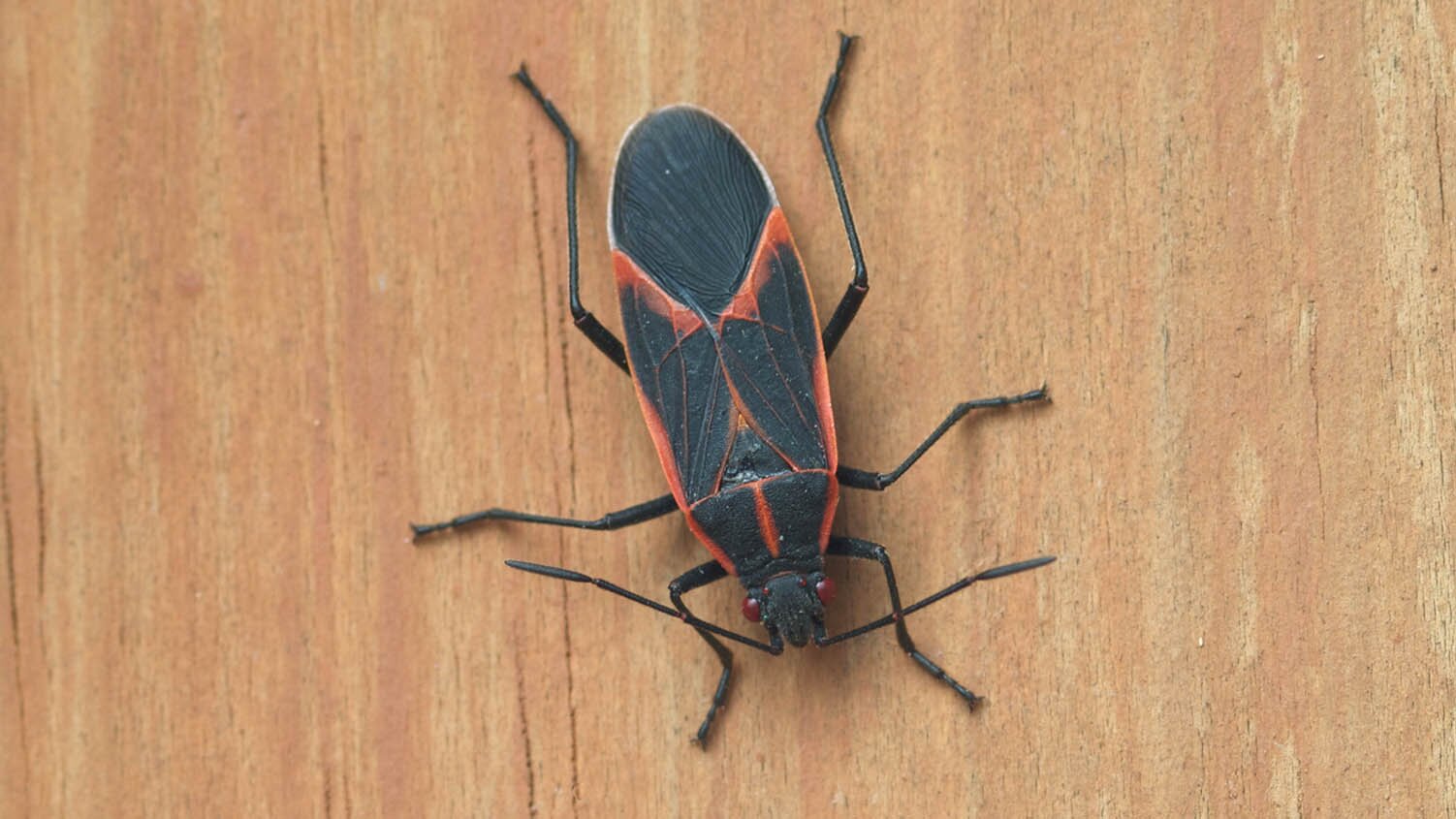
If you're dealing with a seasonal swarm and wondering how to get rid of boxelder bugs in your workspace, you're not alone. These pests love sunny sides of buildings, especially those with metal or vinyl siding, and can be a nuisance in warehouses, maintenance facilities, and industrial buildings. Fortunately, there are steps you can take to manage them safely and effectively.
1. Seal Entry Points and Gaps
Boxelder bugs enter through cracks in walls, vents, window frames, and eaves. A good first step is a facility inspection; look for any openings in the building envelope and seal them using silicone or latex caulk. Weatherstripping and door sweeps also go a long way in keeping them out. This not only keeps pests at bay but helps with energy efficiency too.
2. Vacuum and Remove Them on Sight
Once they’ve entered, resist the urge to squish them. These insects can stain surfaces and create an odor. Instead, vacuum them using a shop vac with a disposable bag and discard it right away. This simple action can support a broader boxelder bug extermination plan without introducing chemical residues indoors.
3. Use Boxelder Bug Spray Outdoors
For exterior control, look into insect spray designed for perimeter use. Apply to exterior walls, entry points, and foundation cracks in early fall when these bugs begin to congregate. Always follow label directions for use and safety. While these products don't eliminate colonies entirely, they can help reduce infestations near building entrances.
4. Manage Landscaping Around Your Building
Boxelder bugs are especially drawn to female boxelder and silver maple trees. If your property includes either, trimming back limbs and clearing leaves or seeds can help. Removing these trees altogether may reduce long-term bug pressure. This is especially helpful for property managers focused on keeping boxelder bugs away before they make their way inside.
5. Install Insect Light Traps Indoors
While not a total solution, light traps placed in entryways or dim corners can help reduce indoor populations. These are particularly useful for large, open industrial spaces where a few bugs can quickly become a persistent issue.
6. Call in a Commercial Pest Control Partner
If you're still seeing bugs after implementing preventive steps, it may be time to explore professional pest control for boxelder bugs. A service trained in commercial buildings can help pinpoint entry points, treat inaccessible zones, and establish a seasonal plan for long-term management.
7. FAQs
Boxelder Bug vs. Stink Bug: Know the Difference
It's easy to confuse boxelder bugs with stink bugs, but they behave differently, and therefore should be handled differently. Boxelder bugs are black with red-orange markings and tend to swarm on sunlit surfaces. Stink bugs are brown and shaped like a shield. While both are nuisance pests, treatment strategies may vary. Being clear about which bug you’re dealing with helps you choose the safest and most effective management options.
What Kills Maple Bugs?
Boxelder bugs, also known as “maple bugs”, respond best to physical removal, sealing strategies, and contact insecticides used as perimeter defense. While no single solution guarantees eradication, combining these tactics delivers the best results. If you're asking how to kill boxelder bugs outright, remember that chemical products work best outdoors and in targeted applications—not as a blanket solution indoors.
Final Thoughts
There’s no universal box elder bug repellent, but prevention is your strongest tool. From caulking gaps to trimming trees, consistent upkeep helps keep these pests from returning each season. Whether you’re maintaining a manufacturing floor, overseeing a warehouse, or keeping entryways clear for your team and customers, these six steps can help you stay a step ahead.
Product Compliance and Suitability
The statements contained in this guide are intended for general informational purposes only. Such statements do not constitute a product recommendation or representation as to the appropriateness, accuracy, completeness, correctness, or currentness of the information provided. Information provided in this guide does not replace the use by you of any manufacturer instructions, technical product manual, or other professional resource or adviser available to you. Always read, understand, and follow all manufacturer instructions. Portions of this article were generated in part by ChatGPT, and edited by a member of the Zoro team.
