


How to Identify Ergonomic Hand Tools
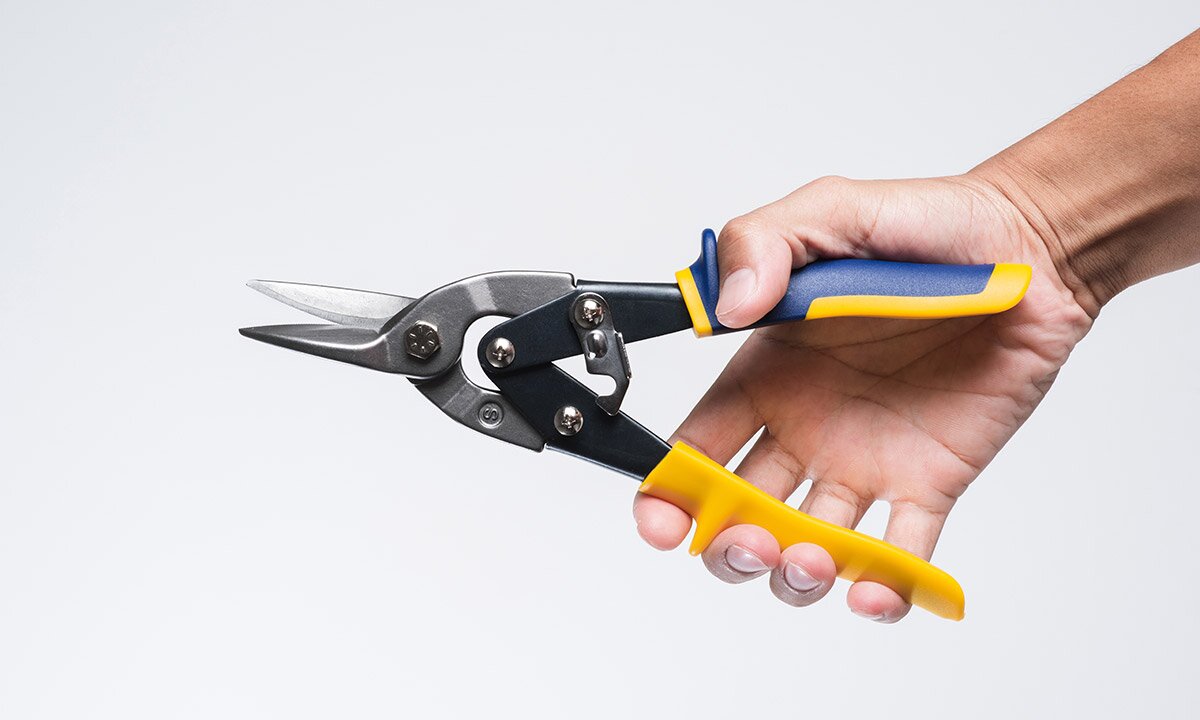
In physically demanding industries, hand tools are part of the everyday workflow. But repetitive motion, awkward posture, and high-force tasks can take a toll, impacting safety and productivity. That’s where ergonomic design matters. Ergonomically designed tools are intended to support natural movement and may help reduce physical stress, helping teams work more comfortably over longer periods.
What Is Hand Tool Ergonomics?
Hand tool grip ergonomics is about designing tools to work with the human hand—not against it. It reduces awkward wrist angles, excessive grip force, and repetitive stress.
What to Look for in Ergonomic Hand Tools
Choosing ergonomic hand tools starts with knowing which design features can reduce physical stress, support control, and improve task efficiency over time. Each component, from weight and vibration to shape and material, plays a role in long-term performance and user safety.
Tool Weight
Lighter tools are often preferred as they may help minimize exertion during extended tasks. Even when a task requires more force, tools with well-balanced weights help maintain control and prevent overuse discomfort.
Handle Size and Diameter
The correct handle dimensions allow the tool to fit the user’s grip without strain. For power grips, diameters between 1.25" and 2" are ideal, while precision grips call for slimmer handles around 0.25" – 0.5". Tools outside these ranges may increase required grip force and contribute to fatigue during prolonged use.
Shape
Smooth, rounded handles minimize pressure points and make it easier to shift positions throughout the job. Avoid generic finger grooves, which may lead to awkward grips and decreased comfort for some users.
Length
A handle that’s too short can create contact stress across the palm and reduce control. NIOSH recommends a handle length of at least 4" to 6" to allow the hand to wrap comfortably around the grip, especially when wearing gloves. An appropriately sized handle may help avoid "bottoming out," where the tool presses into the base of the palm, which is one of the key contributors to hand strain.
Diameter
Hand diameter, shape, and length affect how easily the tool can be held without excessive force. A diameter outside the recommended range can cause users to “choke up” on the tool or apply force inefficiently, increasing the risk of musculoskeletal disorders. Ergonomic handle diameters fall within recommended ranges that minimize overgripping. Choose a tool that fits comfortably in your hand, ideally with a handle diameter between 1.25" and 2". If needed, you can enlarge the grip by adding a sleeve over the handle.
Material
Comfort-enhancing materials, such as soft-touch coatings or non-slip surfaces, help users maintain control and reduce vibration feedback. Avoid bare metal handles, which provide little shock absorption or grip security.
Vibration Control
Tools with vibration control features may help reduce exposure to long-term conditions such as hand-arm vibration syndrome. Ergonomic models insulate the hand from excess force and promote a smoother experience over time.
When to Review and Replace Tools
Keeping your tools ergonomically sound isn’t a one-time task. Here’s how to keep things running smoothly.
- Audit your current tools: Look for tools that require high grip force or show signs of frequent user fatigue.
- Get feedback from your crew: Their input can help you understand what’s working—and what isn’t.
- Give ergonomic alternatives a trial run: Start small and gather input before making large-scale updates.
- Schedule routine reviews: Build tool assessments into your maintenance calendar.
Ergonomic tools can contribute to improved comfort and may support performance and safety over time. Whether you’re equipping a team or restocking a worksite, selecting tools with thoughtful ergonomic design helps your crew stay focused, efficient, and ready for the next task. Explore our selection of ergonomic hand tools today.
Product Compliance and Suitability
The statements contained in this guide are intended for general informational purposes only. Such statements do not constitute a product recommendation or representation as to the appropriateness, accuracy, completeness, correctness, or currentness of the information provided. Information provided in this guide does not replace the use by you of any manufacturer instructions, technical product manual, or other professional resource or adviser available to you. Always read, understand, and follow all manufacturer instructions. Portions of this article were generated in part by ChatGPT, and edited by a member of the Zoro team.
