


How to Install a Bathroom Fan
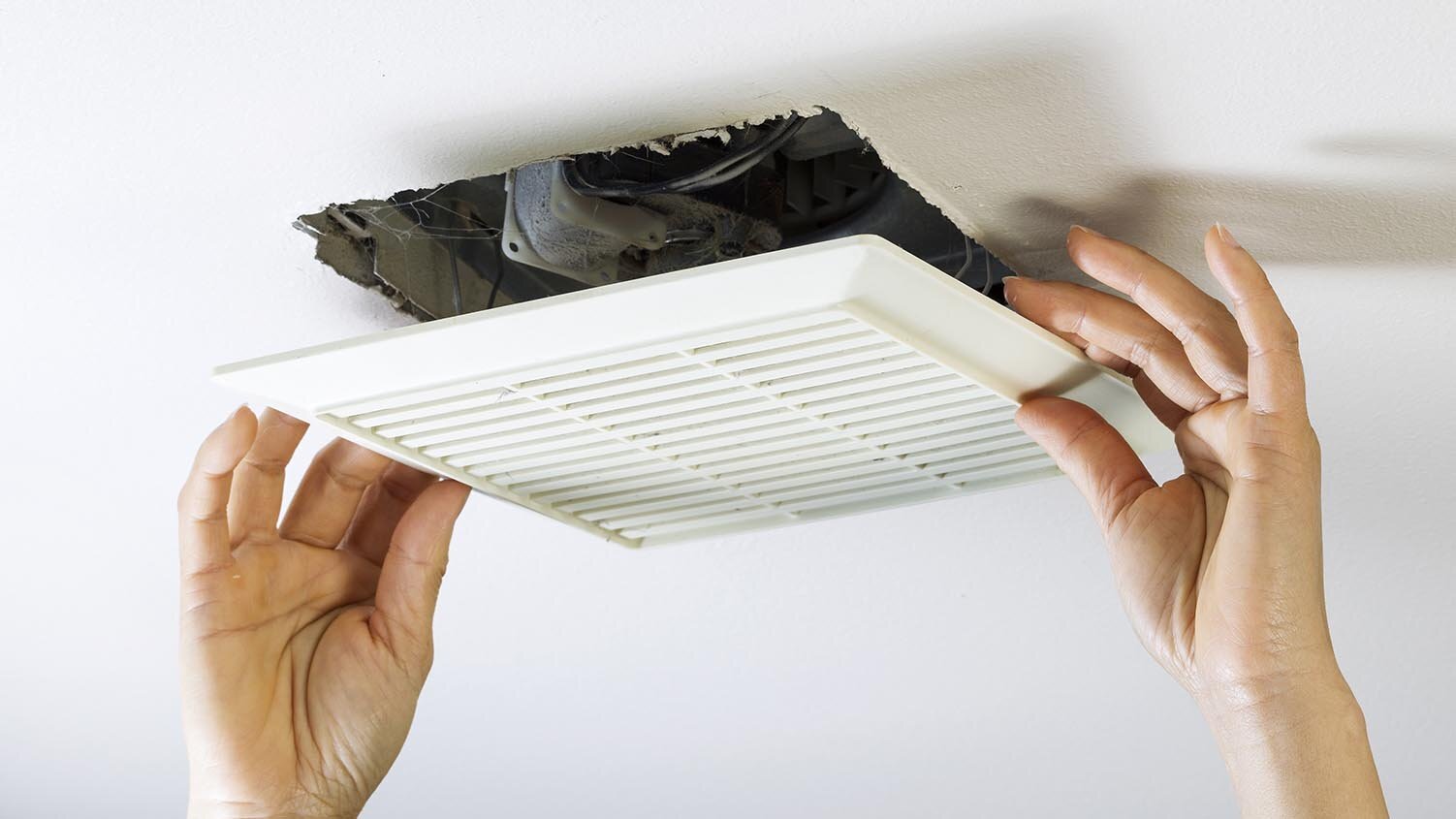
Installing or replacing a bathroom fan can increase air circulation to reduce mildew-causing moisture and freshen up the air. This is a project that you can take on yourself, although there are a few things you’ll want to consider before you start.
To properly vent your fan, you’ll need to make a hole in your bathroom ceiling and in your roof. This could require access to your attic or, if you don’t have an attic, a stud finder to locate a joist from your bathroom. You’ll also need a saw strong enough to cut both holes and some knowledge of how to wire the fan to the switch.
Here are some answers to frequently asked questions about installing a bathroom vent that may help you decide how to get started.
FAQ
Can I install a bathroom fan myself?
As long as you have the tools and skills listed above, then yes. It’s possible for you to complete this project on your own.
What is the best way to vent a bathroom exhaust fan?
This project requires cutting a hole in the roof because the only way you want to vent a bathroom fan is through the roof and to the outdoors.
Can you vent a bathroom fan into the attic?
Venting a bathroom fan into the attic will cause a build-up of moisture above your ceiling and create mildew problems.
How far can you vent a bathroom fan?
It’s best to keep the duct as short as possible. In most cases, the length of duct runs anywhere from 10' - 12'.
Where should a bathroom fan be installed?
An ideal place to install a bathroom fan is directly above the toilet. You don’t want to put it over a bathtub or shower.
How do you vent a bathroom without a fan?
What do you do if your bathroom has no exhaust fan? If you’re not up for installing a bathroom fan, but are having issues with moisture buildup, you can always consider a dehumidifier. Turning on a dehumidifier before a shower and leaving it on for several minutes after will help cut back moisture. They also sell portable fans with filters, if your issue has more of a stink to it.
How to Install a Bathroom Fan by Yourself
If you’ve determined that the best approach is to install your own bathroom fan, here are some guidelines to help. Remember to also read the instructions included with the fan you’ve purchased.
Step 1: Cut hole
From your bathroom, mark the hole where you plan to install your fan and draw a pencil outline around it. Then use nails to mark all four corners. From your attic, locate the nails and draw a pencil outline again. Then drill a hole large enough to fit your saw so that you can cut along the lines to cut out the shape for the fan. If you can’t access the attic or there isn’t one, use a stud finder to locate a joist in your bathroom and then cut the hole from your bathroom.
Step 2: Attach fan
Cut through the insulation in the hole you’ve made for the fan, leaving a least 6" of space on each side of the fan. Use wood blocks to separate the insulation from the fan and secure them with screws, then install the fan into the ceiling.
Step 3: Attach vent pipe
From the attic, attach the flexible duct and prepare to run it through the roof. Then mark a hole on the roof where you plan to run it outside. Use a drill to drill a hole through, leaving the drill bit behind to find from the top of the roof.
Step 3: Install vent hood
Take caution when working on your roof. Locate your drill bit and mark a circle large enough to fit your duct. Then mark a square that matches the size of your vent hood. Lift the shingles of your roof just enough to make sure the hood fits snugly beneath. Apply asphalt roof cement to the bottom of the vent and slide the vent under the shingles enough to cover the vent flange. Nail down the corners of the flange using roofing tar to cover the nail heads.
Step 4: Attach vent pipe
From the attic, attach the duct or vent pipe to the hood. Ensure you’ve completed all of the proper wiring between the fan and existing light switch. You can read more on how to connect two wires together, if you still need help.
Once you’ve installed your fan, it may also help to learn how to clean bathroom fans. A clean and working exhaust fan can help prevent mildew and unpleasant odors. Making sure your fan runs outside instead of your attic ensures that moisture stays out of your attic, which could lead to a variety of problems.
Product Compliance and Suitability
The product statements contained in this guide are intended for general informational purposes only. Such product statements do not constitute a product recommendation or representation as to the appropriateness, accuracy, completeness, correctness or currentness of the information provided. Information provided in this guide does not replace the use by you of any manufacturer instructions, technical product manual, or other professional resource or adviser available to you. Always read, understand and follow all manufacturer instructions.
