


How to Insulate a Garage for Business Use: Step-by-Step Guide
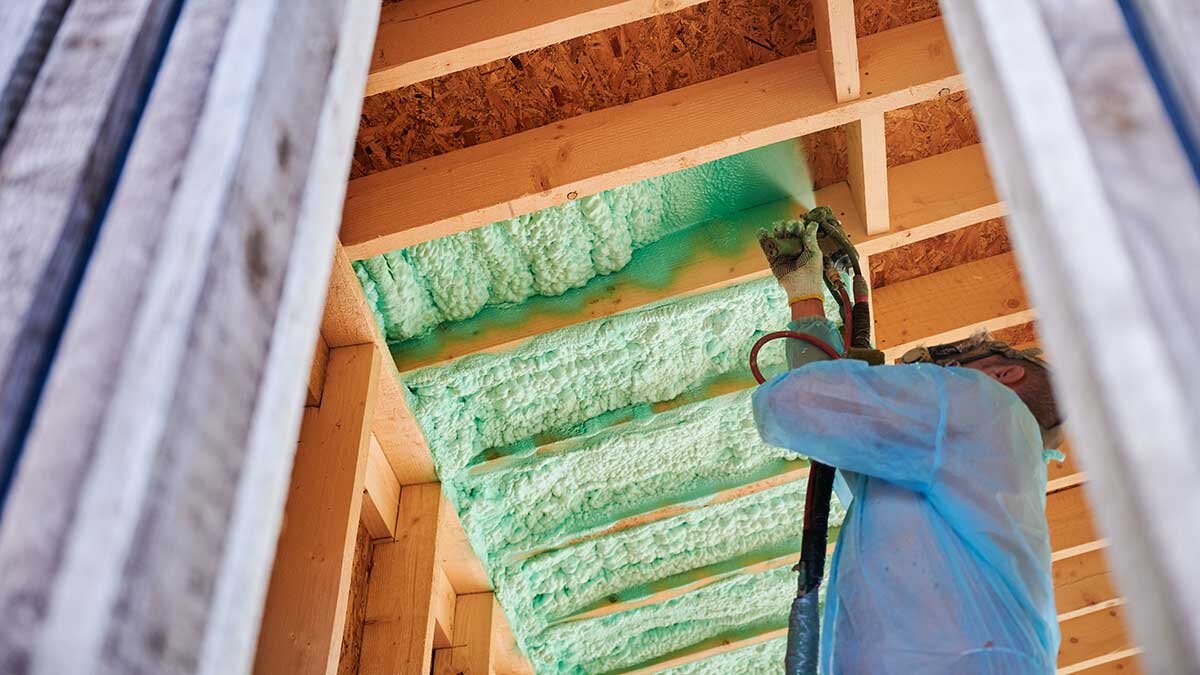
Quick Answer: How to Insulate a Garage for Business Use
To insulate a garage effectively, seal all air gaps, install fiberglass or foam insulation in walls and ceilings, and add rigid panels or reflective barriers to the garage door. Choose insulation with the appropriate R-value for your climate and workspace needs.
Why Garage Insulation Matters for Your Business
If you operate a construction, repair, or manufacturing business out of a garage or use it for storage, insulation can help in more ways than one. A properly insulated garage:
- Reduces temperature swings
- Cuts heating and cooling costs
- Minimizes condensation and moisture damage
- Extends the life of tools and equipment
- Improves working conditions year-round
Insulating Garage Walls
Garage wall insulation is often the best place to start. For unfinished walls, fiberglass batt insulation is one of the most practical and affordable solutions. It fits neatly between standard framing studs and is relatively simple to install. If your walls are already finished, you might consider blown-in cellulose or injection foam insulation to avoid tearing down drywall. Choosing the right R-value matters too. For most garages, insulation rated R-13 to R-21 delivers the balance needed for thermal performance without overengineering the space.
Garage Ceiling Insulation: Don’t Skip the Overhead
Heat rises, so a garage ceiling without insulation becomes a highway for thermal loss. If there's a room or office above your garage, insulating the ceiling is critical for both spaces. For open joists, fiberglass batts are a popular choice. If the ceiling is already finished, blown-in cellulose can be added through small access holes. Rigid foam boards are another durable option, especially in climates where moisture resistance is a priority. Adding ceiling insulation also improves energy efficiency and helps maintain a more consistent temperature throughout the entire building.
How to Insulate Garage Doors without Replacing Them
Not every business needs to replace its garage door to improve insulation. Try these fixes.
- Insulation kits: Include cut-to-fit foam or reflective panels.
- Weatherstripping: Apply along the sides and bottom to block drafts.
- Foam board retrofits: Attach rigid panels and reinforce with tape for a snug seal.
Bonus Tip: Add a garage door bottom seal. It’s one of the easiest ways to stop air leaks and reduce dust and moisture entry.
Choosing the Best Insulation Strategy for Your Setup
The most effective insulation approach depends on how your business uses the space. If your garage is simply for storage, sealing gaps and adding foam board to the door might be enough. If it's used as an active work area, consider a full insulation strategy: walls, ceiling, and door, with a focus on high-efficiency materials.
For areas where humidity or condensation is a concern, vapor barriers or moisture-resistant insulation like rigid foam boards are worth the extra investment. And for multi-use garages with tools, materials, and team members moving in and out regularly, a layered approach gives you the control and comfort you need without overdoing it.
Garage Insulation Tips for Business Owners
- Start by sealing air gaps with spray foam or caulk before installing insulation.
- Choose insulation with the correct R-value for your climate zone.
- Use vapor barriers in areas prone to moisture or humidity.
- Wear protective gear when working with fiberglass or spray foam materials.
- Organize your workspace in advance to keep installation efficient and minimize disruption.
Final Word: Get the Most from Your Garage
Whether you're expanding operations, protecting inventory, or just trying to make the space more comfortable year-round, insulating your garage is one of the most practical upgrades you can make. It doesn’t have to be complicated. Start with the essentials—walls, ceiling, and garage door insulation—and scale up based on your usage and budget.
At the end of the day, it's about working smarter. Insulation helps you get more out of your space with less waste, fewer temperature swings, and a better working environment.
Product Compliance and Suitability
The statements contained in this guide are intended for general informational purposes only. Such statements do not constitute a product recommendation or representation as to the appropriateness, accuracy, completeness, correctness, or currentness of the information provided. Information provided in this guide does not replace the use by you of any manufacturer instructions, technical product manual, or other professional resource or adviser available to you. Always read, understand, and follow all manufacturer instructions. Portions of this article were generated in part by ChatGPT, and edited by a member of the Zoro team.
