


How to Lead an Effective Safety Stand-Down for Your Small Business
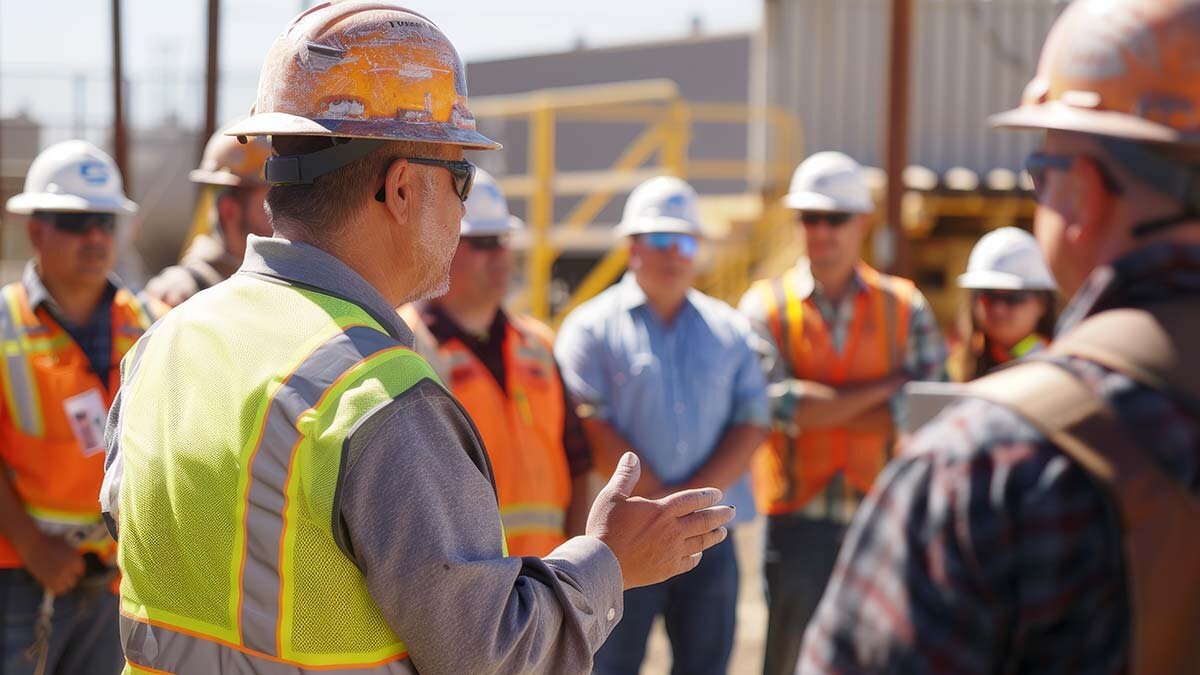
Running a business means juggling a lot: deadlines, staffing, equipment, customers. Safety might not always feel urgent… until it is. A safety stand-down offers an opportunity to pause and discuss safety practices before incidents occur. You don’t need a big training program or a formal setup. Just a little time, an open mindset, and a willingness to talk safety with your team.
What Is a Safety Stand-Down?
A safety stand-down is a planned break from regular work to talk about workplace safety. It can be a quick meeting, a walk-through, or even a group video call. The idea is to step back and look at jobsite risks together before they lead to injury or damage.
Stand-downs might include:
- Toolbox talks
- Hands-on demos
- Open Q&A sessions
- Equipment checks or walk-throughs
Why Small Businesses Benefit from Stand-Downs
Small teams don’t always have a dedicated safety manager, but that’s exactly why these short, focused sessions matter. Here’s why a safety stand-down might be worth your time.
- Tailored safety messages. You know your worksite better than anyone. Talk about risks that actually apply.
- Quick insights. A short discussion can reveal concerns or near misses before they become bigger issues.
- Low-cost option. Stand-downs may support OSHA’s general emphasis on safety awareness, even without formal training.
- Improved team engagement. Giving employees a voice in safety builds trust and shared responsibility.
When Should You Hold a Safety Stand-Down?
While OSHA promotes National Safety Stand-Down every May, you can hold your own any time it makes sense. Consider these moments:
- After a close call. A safety stand-down after an incident helps your team learn from what almost went wrong.
- Before busy seasons. Seasonal changes often bring new hazards.
- When new equipment or processes roll out.
- During employee onboarding or contractor orientation.
How to Conduct a Safety Stand-Down That Sticks
Not sure where to begin? Here’s a general step-by-step format that many small business owners find useful.
1. Choose a Topic That Hits Home
Think about current concerns or recent changes on the jobsite. Topics might include:
- Ladder safety
- Hydration and heat illness prevention
- PPE use and care
- Slips, trips, and falls
- Equipment inspections
2. Pick a Time and Place That Works
Where can your team focus without too many distractions?
- Morning huddle in the breakroom
- End-of-day chat on the shop floor
- Lunchtime in the truck or trailer
Remote team? Try a quick 10-minute call or video chat. A “mobile stand-down” keeps safety top of mind without disrupting the day.
3. Build a Simple Agenda
Keep it short. 15 to 30 minutes is ideal. Include:
- A safety reminder or visual
- One or two discussion points
- A question like: “What’s been feeling unsafe lately?”
4. Keep It a Two-Way Conversation
Avoid turning it into a lecture. Ask:
- “What hazards have you noticed recently?”
- “What would help make this job safer?”
Let a crew member co-lead if possible. When the message comes from a peer, it often resonates more.
Try this: Show a photo from a recent job and ask, “What looks safe here? What doesn’t?” It’s a simple, low-pressure way to start the conversation.
5. Log the Discussion
Use a safety stand-down template or just jot down the following:
- Date and time
- Topic discussed
- Who attended
- Any next steps or follow-ups
This not only helps track trends but can also support OSHA participation documentation.
Make the Most of Your Safety Stand-Down
Looking to get the most out of your stand-down effort? These tips can help.
- Stay informal. Your goal is dialogue, not perfection.
- Use real-world examples. Relevance drives engagement.
- Offer a takeaway. Even a one-page checklist or sticker can reinforce the message.
- Act on what you hear. If concerns come up, take them seriously and follow through.
Remember: Even small changes—like moving a cord or adding a safety sign—can contribute to a safer workspace.
Helpful Resources to Get Started
Running a stand-down shows your team that safety isn’t just policy—it’s personal. You don’t need a big budget or hours of training. Just start with a simple message and keep the conversation going.
Over time, regular safety discussions may contribute to a workplace culture focused on shared responsibility. And for a small business, that’s a big win. Need supplies to support your next safety stand-down? Explore Zoro's safety and PPE gear to find products that support your safety efforts.
Sources:
Product Compliance and Suitability
The statements contained in this guide are intended for general informational purposes only. Such statements do not constitute a product recommendation or representation as to the appropriateness, accuracy, completeness, correctness, or currentness of the information provided. Information provided in this guide does not replace the use by you of any manufacturer instructions, technical product manual, or other professional resource or adviser available to you. Always read, understand, and follow all manufacturer instructions. Portions of this article were generated in part by ChatGPT, and edited by a member of the Zoro team.
