


How to Measure HVAC Vents and Replace Air Register Covers: A Step-by-Step Guide
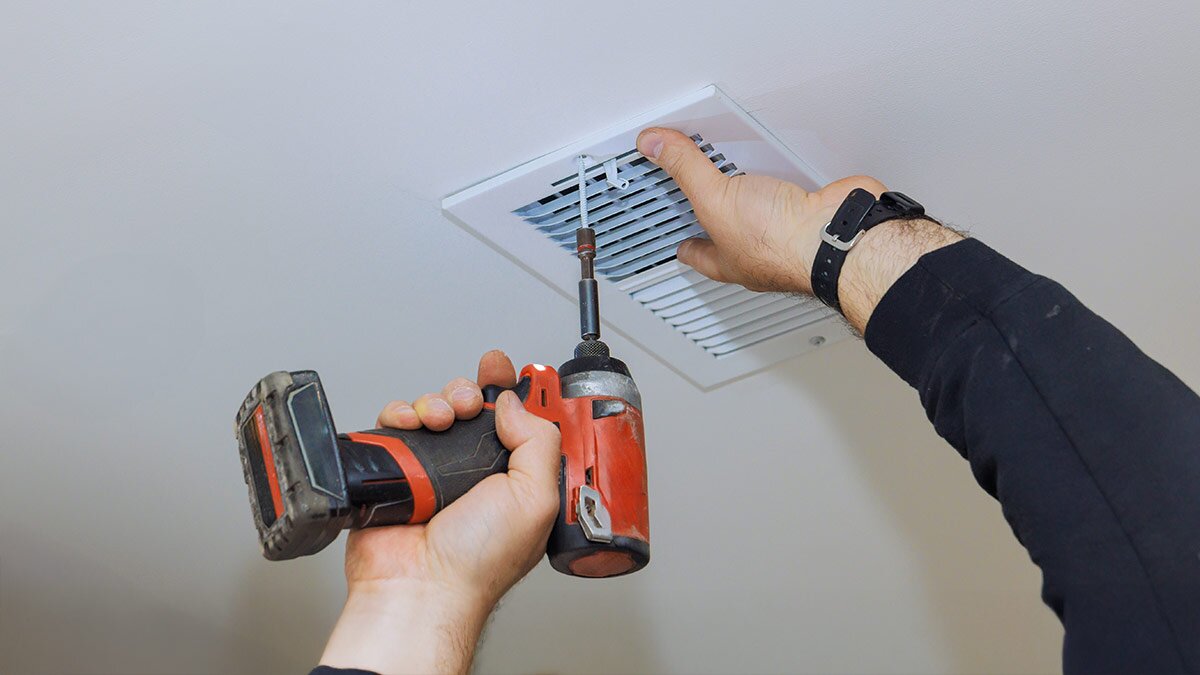
Table of Contents
- Quick Summary for Business Owners
- Why Vent Measurements Matter
- How to Measure Vent Covers (and Get It Right the First Time)
- How to Measure HVAC Registers and Ductwork
- Register vs. Grille vs. Diffuser: What’s the Difference?
- How to Replace a Wall Vent Cover without the Guesswork
- Commercial HVAC Maintenance Tips That Make a Difference
- FAQs: Measuring and Replacing HVAC Vents
First block If you're running a shop, overseeing a warehouse, or keeping a facility up and running, chances are you've had to deal with a loose vent cover or an airflow issue. Learning how to measure HVAC vents and swap out your registers isn’t just another task; it’s a smart way to stay ahead on commercial HVAC maintenance.of content, replace me
Quick Summary for Business Owners
Learn how to measure HVAC vents, choose the right register size, and remove air vent covers safely and efficiently. This guide for business owners covers commercial HVAC maintenance tips, duct sizing, and step-by-step register replacem
Why Vent Measurements Matter
Getting the size right makes a difference. The wrong fit can lead to drafts, uneven heating or cooling, and unnecessary strain on your HVAC system. And when you're trying to keep your team comfortable and your equipment safe, those details count. So, whether you’re handling upgrades, following a routine HVAC maintenance checklist, or just replacing a cracked cover, knowing your way around vent sizing is a skill worth having.
How to Measure Vent Covers (and Get It Right the First Time)
You don’t need special tools—just a tape measure, a screwdriver, and a few minutes of your time. Here’s how to do it.
- Remove the Old Cover
First, let’s discuss how to remove air vent covers. Most are held on with a couple of screws. Grab your screwdriver, back the screws out, and gently pull the cover away from the wall, floor, or ceiling. - Measure the Duct Opening
Here’s the part folks often get tripped up on. How do you measure vent covers properly? You don’t measure the faceplate. You measure the duct opening behind it. Measure the width and height of that opening in inches. - Check the Orientation
For wall and ceiling vents, measure left to right, then top to bottom. For floor vents, measure front to back. Labeling your measurements in the right order helps when reordering parts later.
This quick check makes HVAC vent replacement simple. It's also key if you're adding new airflow zones or upgrading an old system.
How to Measure HVAC Registers and Ductwork
Whether you're planning a remodel or just sticking to your routine maintenance, knowing how to measure duct size is a time-saver.
- For rectangular ducts, measure the opening’s width and height.
- For round ducts, just measure the diameter straight across.
- If it's a long stretch or overhead, a laser measure can help, but a tape measure still gets the job done.
Register vs. Grille vs. Diffuser: What’s the Difference?
When you're shopping for replacements, here’s a breakdown that keeps things clear.
- Register—A vent cover with dampers that let you control airflow direction.
- Grille—Just the cover; no adjustable parts.
- Diffuser—Usually found in ceilings. These spread air in multiple directions for broad circulation.
Knowing the difference helps when you’re pricing parts or explaining needs to your supplier. It also makes your records easier to keep straight if you're managing multiple locations or systems.
How to Replace a Wall Vent Cover without the Guesswork
If you need to know how to replace wall vent cover units, here’s a quick walk-through.
- Unscrew the old cover and pull it off.
- Wipe down the opening; it’s usually dusty.
- Line up the new register with the screw holes.
- Secure the new cover in place. Don't overtighten. You want a snug fit, not a cracked frame.
Commercial HVAC Maintenance Tips That Make a Difference
Here are a few commercial HVAC maintenance tips that come from real-world experience.
- Check vent sizes and airflow direction during seasonal HVAC checks.
- Log all register sizes in a quick reference sheet. It’ll save time when you need to reorder.
- Look for rust, cracked frames, or noise. These small signs often point to a vent or duct issue before it becomes a bigger problem.
Conclusion
Whether you’re running a plant, managing a jobsite, or overseeing a building, this isn’t about getting everything perfect; it’s about keeping things moving, fixing what needs fixing, and knowing how to handle the basics without waiting on someone else. Taking a few minutes to learn how to measure air vents, how to measure vent registers, or how to do a quick replacement means fewer surprises down the line, and that’s something every business owner can appreciate.
FAQs: Measuring and Replacing HVAC Vents
What’s the difference between a vent, register, grille, and diffuser?
- A vent is the general term for any opening that allows air to flow in or out.
- A register is a vent cover with adjustable dampers that let you control airflow direction.
- A grille is a fixed cover with no moving parts, used mostly for return airflow.
- A diffuser spreads air in multiple directions and is commonly mounted on ceilings.
How do I measure an HVAC vent for a replacement cover? Always measure the duct opening, not the faceplate of the old vent cover.
- Measure width × height (in inches) for rectangular openings.
- For round ducts, measure the diameter across the opening.
Can I use a floor register on the wall or ceiling?
Not recommended. Floor registers are built to handle foot traffic and sit flush with the floor, while wall or ceiling registers are designed for vertical or overhead installation. Use the correct type for your application.
How do I remove an air vent cover safely?
- Use a screwdriver to remove the screws.
- Gently pull the cover away from the surface.
- Wipe down the opening to remove dust or debris before installing a new register.
How often should I check or replace HVAC vent covers?
Inspect covers during seasonal HVAC maintenance. Replace any that are rusted, cracked, noisy, or blocking airflow. Keeping a log of register sizes and locations can save time during replacements.
Product Compliance and Suitability
The statements contained in this guide are intended for general informational purposes only. Such statements do not constitute a product recommendation or representation as to the appropriateness, accuracy, completeness, correctness, or currentness of the information provided. Information provided in this guide does not replace the use by you of any manufacturer instructions, technical product manual, or other professional resource or adviser available to you. Always read, understand, and follow all manufacturer instructions. Portions of this article were generated in part by ChatGPT, and edited by a member of the Zoro team.
