


How to Paint Plastic Pipes in Commercial Spaces: A Guide for Business Owners
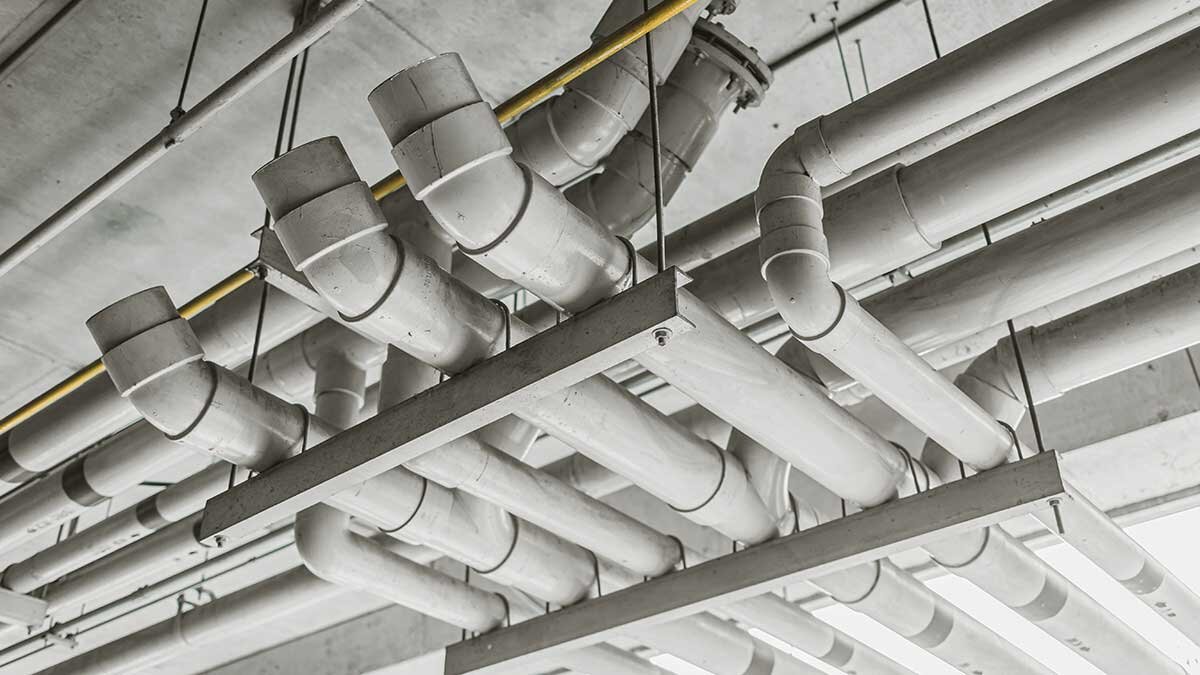
Plastic pipes do a lot of work in commercial and industrial spaces, from water supply and HVAC lines to electrical conduit and process systems. When you need clear identification, better visibility, or a cleaner look, painting PVC, CPVC, or ABS pipes can help your team maintain an organized and easy-to-navigate facility. This guide walks you through how to prep, prime, and coat plastic pipes using adhesion primers and coatings designed for smooth, nonporous materials.
Can You Paint Plastic Pipes?
Yes. You can paint PVC, CPVC, ABS, and similar plastics found in commercial buildings. Because these materials are smooth, they typically call for an adhesion primer and paint for plastic pipes that bond securely to nonporous surfaces. With the right preparation, coatings can support your facility’s maintenance goals.
Quick answer: Plastic pipes can be painted when they are cleaned, lightly sanded, primed, and coated with a compatible product.
Why Businesses Paint Plastic Pipes
Many teams use painted pipes to support:
- Facility color-coding standards
- Better visibility in busy areas
- Easier inspection and troubleshooting
- Clear equipment labeling
- Clean, uniform spaces in mechanical rooms
Moisture-tolerant or corrosion-resistant coating needs
What You’ll Need for the Job
Before you begin, it helps to gather everything in one place.
- Mild detergent
- Clean rags
- 220–320 grit sandpaper
- Adhesion primer
- Paint for plastic pipes or PVC pipe coating
- Drop cloths
- Painter’s tape
PPE such as gloves, respirators, and safety glasses
How to Paint Plastic Pipes: Step by Step
1. Identify the Pipe Material
PVC, CPVC, and ABS each respond slightly differently to coatings. Review manufacturer markings on the pipe so you know what primer and coating options to choose. This helps ensure proper adhesion and drying.
2. Clean the Surface
Use a mild detergent or a plastic-safe cleaning solution to remove dust, oils, grease, or residue. Rinse and allow the pipe to dry fully. Clean surfaces help the primer bond properly.
3. Lightly Sand the Pipe
Use 220–320 grit sandpaper to scuff the surface. You're not removing material here, just giving the coating something to grip. Wipe away dust afterward.
4. Apply an Adhesion Primer
Most smooth plastic surfaces need an adhesion primer before coating. Follow the specifications on application thickness, flash time, and ventilation. A thin, even layer goes a long way toward helping your topcoat stay put.
5. Choose and Apply Your Coating
Many business owners use PVC pipe coatings or paint for plastic pipes formulated for nonporous materials. Apply light, even coats according to the product instructions. Allow for adequate cure time before adding another coat.
6. Let It Cure
Full curing may take longer than drying. Check the recommended time before handling, reinstalling, or exposing the pipe to moisture.
How to Spray Paint PVC Pipe
Spray application is common in mechanical rooms and larger spaces because it can provide smooth, consistent coverage.
Tips for spray painting PVC pipes:
- Maintain steady, light passes to avoid drips.
- Keep a consistent distance between the nozzle and the pipe.
- Rotate the pipe or walk around it for even coverage.
- Use proper ventilation and PPE in indoor environments.
- Always apply an adhesion primer when required.
- Allow each coat to dry before adding another.
Choosing Paint and Coating Options
When you’re selecting a coating for plastic piping, it helps to start with products that are formulated to bond to smooth, nonporous materials.
Surface Type
PVC, CPVC, ABS, and polyethylene each have different bonding characteristics. Always check that the product is compatible with your specific pipe material.
Application Method
Some coatings work well with brushes or rollers, while others are designed for spray equipment.
Working Environment
Temperature, humidity, and airflow can influence adhesion and drying.
Durability Requirements
Some facilities experience moisture, chemical exposure, or temperature swings. In those cases, corrosion-resistant or moisture-tolerant coatings may be suitable.
Color-Coding Needs
Your facility standards may require specific colors for water, fire suppression, exhaust, or chemical lines.
Test Paint on PVC
Look for coatings labeled for use on plastic. This helps ensure they bond properly to smooth surfaces. It can also be helpful to test the paint on a scrap piece of PVC so you can confirm that the coating adheres before starting the full job.
Safety and Ventilation Considerations
Indoor painting requires attention to ventilation, dry time, and PPE. Review product guidelines for proper respirator use, airflow needs, and overspray containment. OSHA and NIOSH provide helpful resources for selecting protective equipment.
Maintenance Tips After Painting Plastic Pipes
A simple maintenance routine can help keep pipes clear, visible, and easy to identify.
Ongoing care tips:
- Inspect pipes annually for peeling or wear.
- Clean with mild detergent as needed.
- Touch up small areas with the same primer and coating.
- Monitor environmental changes like humidity and temperature.
Product Compliance and Suitability
The statements contained in this guide are intended for general informational purposes only. Such statements do not constitute a product recommendation or representation as to the appropriateness, accuracy, completeness, correctness, or currentness of the information provided. Information provided in this guide does not replace the use by you of any manufacturer instructions, technical product manual, or other professional resource or adviser available to you. Always read, understand, and follow all manufacturer instructions. Portions of this article were generated in part by ChatGPT, and edited by a member of the Zoro team.
