


A Complete Guide to Painting Stainless Steel Surfaces
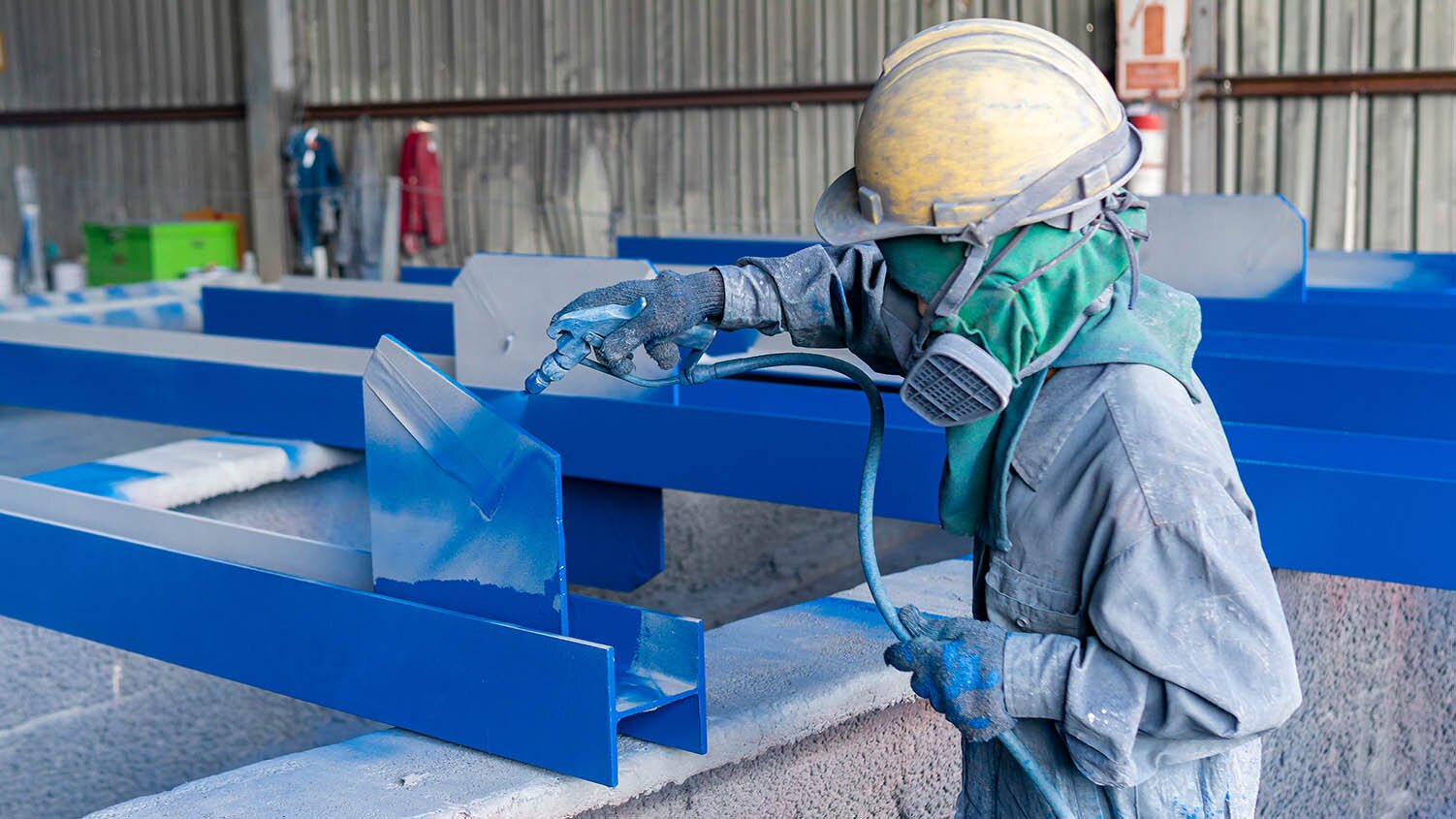
Business owners in construction, fabrication, and facility operations often run into one big question: can you paint stainless steel? You can. Stainless steel accepts paint when it is cleaned, scuffed, primed, and coated with products designed for metal adhesion. This guide walks you through the process in a clear, practical way so you can maintain your equipment, fixtures, and facility assets with confidence.
Why Professionals Paint Stainless Steel
Painting stainless steel is a dependable way to extend the life and appearance of valuable assets. Teams often choose to paint stainless steel for several reasons.
- Brand consistency. Match equipment and fixtures to facility colors without replacing them.
- Cost control. Painting often requires fewer resources than full replacement.
- Surface protection. Adding a corrosion-resistant coating supports durability in busy or outdoor environments.
- Industrial refinishing. Many teams treat stainless steel with the same refinishing process used for other metals in manufacturing and construction.
Do You Need a Stainless Steel Primer?
Yes. Stainless steel has a smooth, nonporous surface that makes adhesion challenging. A standard primer may not bond effectively. A stainless steel primer or self-etching primer prepares the surface and helps the topcoat hold up in high-traffic environments.
Primers used in industrial settings include:
- Bonding primers
- Self-etching primers
- Direct-to-metal primers
- Corrosion-resistant primers
Tools and Materials You'll Need
- Degreaser or mild detergent
- Fine-grit sandpaper or a Scotch-Brite pad
- Tack cloth or lint-free rag
- Metal primer (self-etching or bonding)
- Metal-safe spray paint or enamel
- Drop cloths and painter's tape
Step-by-Step: How to Paint Stainless Steel
1. Clean Thoroughly: Remove dirt, grease, and oils using a degreaser or dish soap. Let it dry fully before moving on.
2. Scuff the Surface: Use sandpaper or a scouring pad to lightly abrade the surface. You’re not stripping the steel; you're just roughing it up so primer sticks.
3. Apply a Metal Primer: Use a primer designed for stainless or non-ferrous metals. Self-etching primers work best. Follow all drying and curing directions.
4. Paint in Light, Even Coats: Choose a product labeled for stainless steel or hard surfaces. Apply several thin coats, allowing each to dry thoroughly.
5. Allow for Full Curing: Let your painted surface cure at least 24–48 hours before putting it back in service.
When to Paint vs. When to Replace
Knowing when painting stainless steel makes sense—or when replacement is the better move—is key for smart asset management.
- Go ahead with painting when the stainless surface is structurally sound (no deep corrosion, pitting, or weld failure), and you’re looking to refresh appearance, match branding, or apply protective coatings.
- Consider replacement when the metal is compromised (structural damage, extensive corrosion, welds failing, deep pitting). Painting over severely degraded stainless steel may deliver only short-term results and ultimately raise maintenance costs.
Final Thoughts for Facility and Maintenance Pros
Ready to give your stainless steel surfaces a fresh start? Whether you’re painting appliances, updating fixtures, or tackling industrial refinishing, the process is simple: clean, scuff, prime, and coat. With the right stainless steel primer and durable commercial metal paint or corrosion-resistant coating, you’ll get long-lasting performance and a polished, professional look. Explore Zoro’s full selection of primers, paints, and coatings to find what fits your next project. Equip your team with products that make maintenance easier and keep your operation looking its best.
Product Compliance and Suitability
The statements contained in this guide are intended for general informational purposes only. Such statements do not constitute a product recommendation or representation as to the appropriateness, accuracy, completeness, correctness, or currentness of the information provided. Information provided in this guide does not replace the use by you of any manufacturer instructions, technical product manual, or other professional resource or adviser available to you. Always read, understand, and follow all manufacturer instructions. Portions of this article were generated in part by ChatGPT, and edited by a member of the Zoro team.
