


How to Pressure Wash Concrete
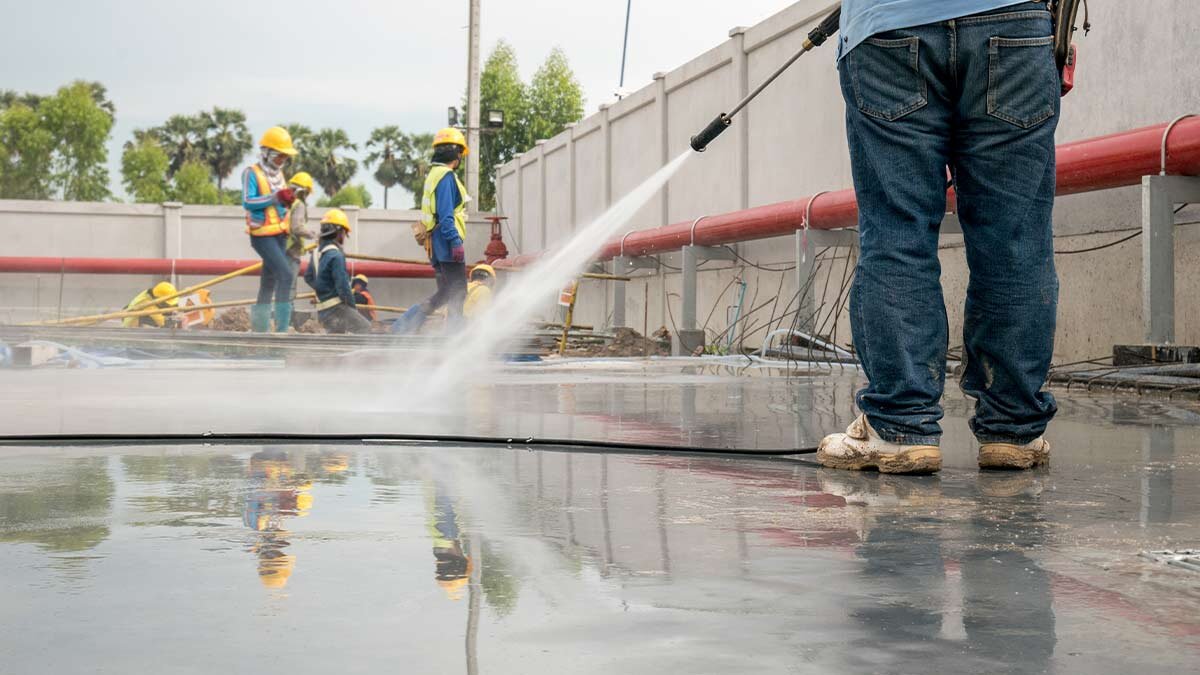
As a small business owner, you already know your property says a lot about how you run your operation. A stained driveway or walkway can send the wrong message before customers even walk in the door. Clean concrete, on the other hand, gives your space a polished look and reduces slick spots that could create safety concerns. Pressure washing concrete is one of the most effective ways to keep your property looking professional and welcoming.
Get Ready Before You Start
Before you roll out your pressure washer, a little prep goes a long way.
Clear the space: Move vehicles, outdoor furniture, and equipment.
Sweep it clean: Loose gravel, dirt, or leaves can get in the way.
Check for cracks: High pressure can make cracks worse, so identify weak spots first.
What to Spray on Concrete Before Pressure Washing
If you’re just rinsing away dirt and dust, water alone often does the job. For oil stains or heavy buildup, though, it helps to pre-treat. Spray a concrete-safe cleaner or degreaser and let it sit for 5–10 minutes. This step helps your pressure washer work more efficiently, especially on driveways and loading docks.
Choosing the Right Pressure Washer
For most business surfaces—driveways, sidewalks, and cement pads—a machine with at least 3,000 PSI is effective. Use a 25° or 40° nozzle for a wide spray that cleans evenly without gouging the concrete. If you’re working on a larger area like a parking lot, a surface cleaner attachment will help cover more ground and maintain a uniform finish.
Step-by-Step: How to Pressure Wash Concrete
Soak the surface: Spray down the area with water to loosen dirt.
Apply detergent: Coat the concrete with cleaner and let it sit.
Start washing: Hold the nozzle 12"–18" above the surface and move in overlapping lines.
Rinse thoroughly: Wash away detergent and debris with fresh water.
Spot clean: Re-treat stubborn stains and rinse again if needed.
Pressure Washing Driveways at Your Business
Driveways often see the heaviest use, so oil spots, tire marks, and grime build up quickly. To power wash a driveway:
Pre-treat oil stains with a degreaser.
Work from the top down so water flows away.
Rinse thoroughly to avoid streaks.
The same approach applies when you power wash cement sidewalks or entryways, ensuring customers and employees walk into a clean, professional environment.
Safety First
High water pressure makes quick work of dirt, but it can also cause injuries or damage if used incorrectly. Keep these safety tips in mind.
Wear protective eyewear and gloves.
Keep cords and electrical equipment away from water spray.
Avoid pointing the nozzle at people or fragile surfaces.
With a few precautions, your concrete pressure washing project will stay safe and efficient.
Keep It Clean Longer
After you power wash concrete, consider sealing it. Sealants reduce the chance of new stains soaking in and make future cleanings easier. Even without a sealant, regular sweeping and quick spill cleanup extend the time between washes.
FAQs About Pressure Washing Concrete
What should you spray on concrete before pressure washing?
For oil or grease stains, apply a concrete-safe detergent or degreaser. Let it sit for 5–10 minutes before washing to loosen stubborn buildup.
Can you power wash cement without detergent?
Yes, water alone can remove dust and dirt. But detergents make pressure washing more effective on heavy stains, especially on driveways.
How often should you pressure wash concrete driveways?
Most driveways benefit from a yearly cleaning. High-traffic areas or those exposed to oil spills may need pressure washing every 6 months.
What’s the difference between pressure washing and power washing concrete?
The terms are often used interchangeably. Pressure washing uses high-pressure water, while power washing may involve heated water for extra cleaning power.
Can pressure washing damage concrete?
Yes, if done incorrectly. Always use a wide-angle nozzle, keep a 12"–18" distance from the surface, and avoid holding the spray in one place for too long.
Final Word for Business Owners
You don’t need to overthink it. Knowing how to pressure wash concrete is a practical, time-saving skill every small business owner can put to work. Whether you’re pressure washing a driveway, cleaning sidewalks, or power washing cement around loading docks, the process is simple when you prep, use the right equipment, and follow safe practices. Keeping your property clean makes your business more inviting and shows pride in the work you do every day.
Product Compliance and Suitability
The statements contained in this guide are intended for general informational purposes only. Such statements do not constitute a product recommendation or representation as to the appropriateness, accuracy, completeness, correctness, or currentness of the information provided. Information provided in this guide does not replace the use by you of any manufacturer instructions, technical product manual, or other professional resource or adviser available to you. Always read, understand, and follow all manufacturer instructions. Portions of this article were generated in part by ChatGPT, and edited by a member of the Zoro team.
