


10 Weatherization Tips to Prevent Freezing Pipes
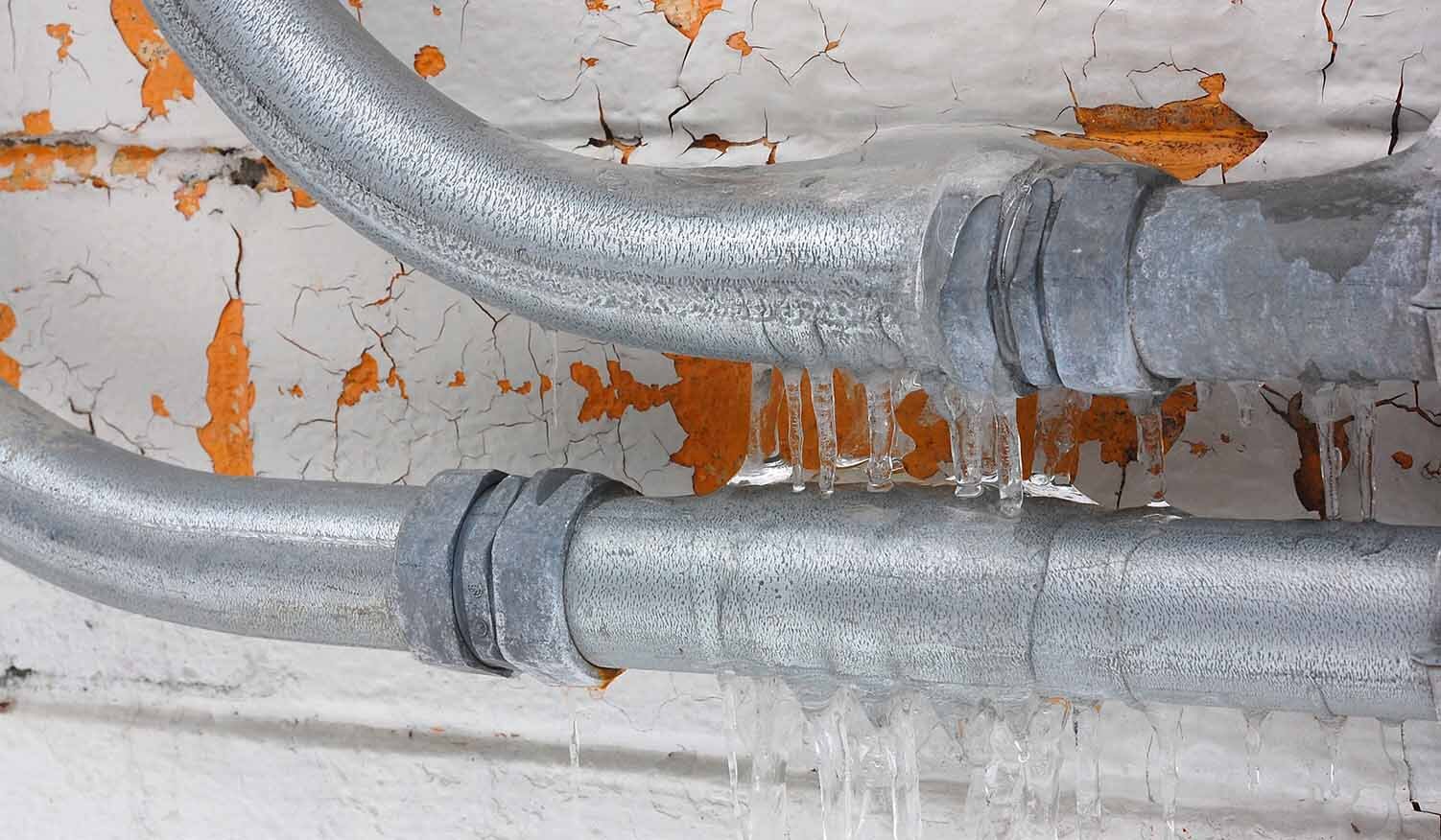
Table of Contents
- Get Ahead of Winter Before It Gets Ahead of You
- 1. Insulate Exposed Pipes First
- 2. Choose Insulation with the Right R-Value
- 3. Pick the Best Pipe Insulation Material
- 4. Use Heat Tape for Extra Protection
- 5. Seal Every Gap and Joint
- 6. Cover Outdoor Fixtures and Drain Seasonal Lines
- 7. Maintain Consistent Indoor Heat
- 8. Let Faucets Drip and Open Cabinet Doors
- 9. Inspect and Maintain Your System Every Fall
- 10. Have a Plan for Emergencies
Get Ahead of Winter Before It Gets Ahead of You
For many small business owners, freezing temperatures can cause more than just chilly mornings. Burst or frozen pipes can lead to costly repairs, downtime, and property damage that disrupts your workday. Weatherizing your plumbing helps prevent problems before they start. With a few simple updates (like insulation, sealing, and steady heat), you can protect your pipes, save energy, and keep your business running smoothly all season long.
Here are ten easy ways to get started.
1. Insulate Exposed Pipes First
Start by identifying pipes in cold or unheated spaces, like basements, garages, crawl spaces, or exterior walls. These are the first to freeze when temperatures drop. Adding insulation helps maintain water temperature and keeps lines from icing over. Pipe insulation is affordable, easy to install, and one of the most effective pipe freeze prevention tips out there.
2. Choose Insulation with the Right R-Value
When learning how to insulate pipes, it’s important to know about R-value—a measure of how well insulation resists heat loss.
For indoor pipes: use insulation rated R-4 or higher.
For unheated or outdoor spaces: aim for R-7 or higher.
A higher R-value means better protection. Focus first on your coldest areas, like exterior walls or unheated basements, to get the most impact.
3. Pick the Best Pipe Insulation Material
Not all insulation is the same. Choosing the right one depends on your building and your climate.
Foam sleeves (polyethylene): Budget-friendly and simple to install.
Rubber insulation (elastomeric): Flexible, moisture-resistant, and long-lasting.
Fiberglass wrap: Excellent for outdoor or exposed pipes in extreme cold.
Pipe wrap tape: Handy for joints, elbows, and irregular shapes.
When in doubt, look for materials that fit snugly and seal tightly around your pipes for maximum efficiency.
4. Use Heat Tape for Extra Protection
In colder climates, insulation alone may not cut it. Heat tape (a small, flexible electric cable) can be wrapped along pipes to gently warm them when temperatures drop. It’s not about choosing between heat tape and insulation. Use both. Heat tape provides active warmth, while insulation traps it inside. Together, they offer powerful freeze protection for outdoor and unheated areas.
5. Seal Every Gap and Joint
Even the best insulation won’t help if cold air finds a way in. Seal seams, joints, and nearby wall penetrations with weatherproof tape, caulk, or foam sealant. Pay close attention to areas where pipes pass through walls or floors. Sealing these gaps keeps your insulation effective and helps your building stay energy efficient.
6. Cover Outdoor Fixtures and Drain Seasonal Lines
Outdoor faucets, spigots, and water lines are especially vulnerable. Disconnect and drain garden hoses, shut off outdoor water valves, and install foam faucet covers for extra protection. If you have seasonal plumbing, like irrigation systems or exterior hose bibs, drain them completely before winter. Empty pipes can’t freeze, so a little prep now can save a lot of repair later.
7. Maintain Consistent Indoor Heat
Even when your building isn’t occupied, keep indoor temperatures above 55°F. Consistent heat keeps water flowing and helps prevent pipes from freezing in hidden or unheated spaces. If you close your business for the holidays or weekends, resist turning the thermostat too low. It’s better to pay a little more for heat than to pay a lot more for repairs.
8. Let Faucets Drip and Open Cabinet Doors
Sometimes the simplest steps make the biggest difference. Letting faucets drip during extreme cold keeps water moving, making it less likely to freeze. Opening cabinet doors under sinks allows warm air to circulate around pipes, especially in kitchens or bathrooms that sit along exterior walls.
9. Inspect and Maintain Your System Every Fall
Make weatherization part of your annual maintenance routine. Each fall, check for cracks, gaps, or worn insulation. Replace any damaged sections and confirm that your pipe insulation installation still fits securely. An annual check helps catch small issues before they turn into major problems.
10. Have a Plan for Emergencies
Even with careful preparation, freezing can still happen. If a pipe freezes, keep the faucet open to relieve pressure and use a hair dryer or heating pad to thaw it slowly. Never use an open flame. If a pipe bursts, shut off the main water supply immediately and call a licensed plumber. Acting quickly can minimize water damage and keep your business on track.
Keep Your Business Flowing All Winter Long
Weatherizing your plumbing is more than a seasonal task. It’s an investment in your business’s safety and stability. With the right insulation, steady heat, and a few preventive habits, you can face winter with confidence.
At Zoro, we make it easy to find everything you need, from pipe insulation and heat tape to weatherproofing supplies, to help your business stay protected, productive, and ready for whatever the season brings.
Product Compliance and Suitability
The statements contained in this guide are intended for general informational purposes only. Such statements do not constitute a product recommendation or representation as to the appropriateness, accuracy, completeness, correctness, or currentness of the information provided. Information provided in this guide does not replace the use by you of any manufacturer instructions, technical product manual, or other professional resource or adviser available to you. Always read, understand, and follow all manufacturer instructions. Portions of this article were generated in part by ChatGPT, and edited by a member of the Zoro team.
