


How to Protect Packages from Damage During Shipping
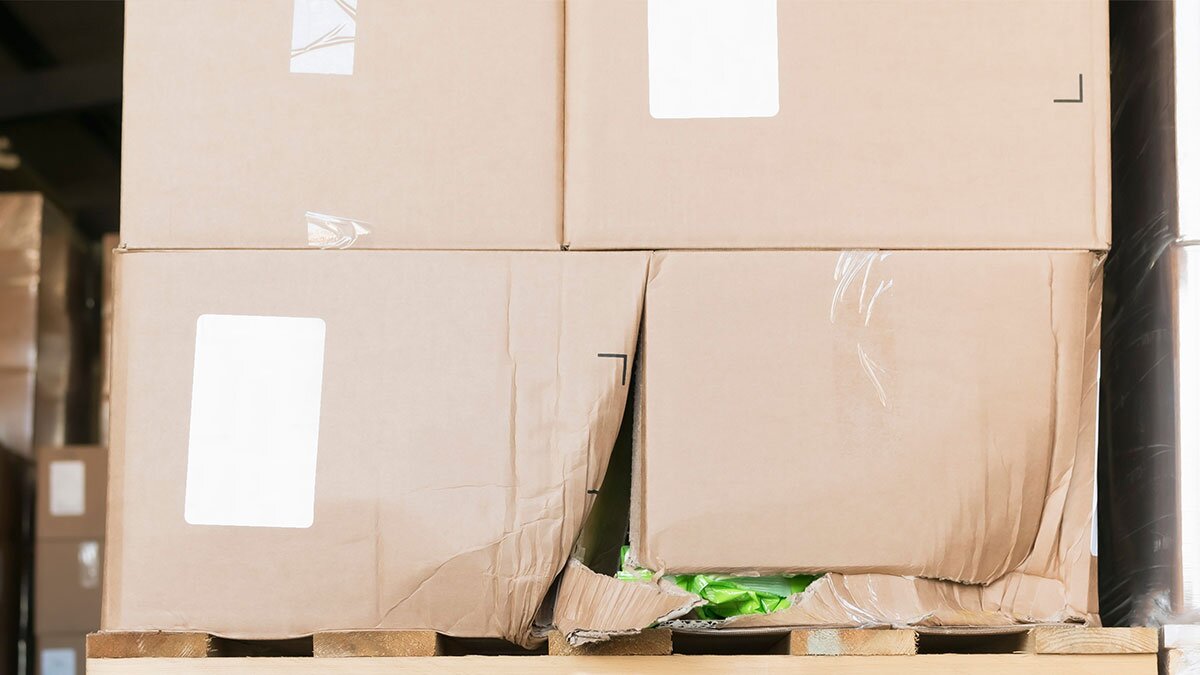
In construction and manufacturing, a damaged shipment is more than an inconvenience. It can derail a project, stall a production line, and eat into your margins. When the parts, tools, or materials you depend on arrive broken, you lose time, money, and sometimes even client trust. That’s why learning how to protect packages from damage is essential. With the right packaging, handling, and shipping strategies, you can avoid damage, cut down on costly delays, and keep your business moving.
Quick Summary
If you’re running a construction or manufacturing operation and want to prevent shipping damage, here’s where to start.
- Use heavy-duty cartons rated for industrial products.
- Add cushioning and blocking so equipment and parts stay secure.
- Seal cartons with reinforced tape.
- Train staff on safe handling and stacking practices.
- Secure heavy or bulk loads with pallets, banding, or crates.
- Always inspect and document shipments before they leave your facility.
Why Industrial Shipments Are Prone to Damage
Businesses in construction and manufacturing deal with some tough shipping challenges. Heavy loads like tools and machinery can crush lighter cartons if they’re not stacked correctly. Oversized pallets or unbalanced freight might tip or collapse during transport. Long hauls add another layer of risk, since constant vibration and impact can cause items to shift or break free. And of course, the environment plays a role. Moisture, dust, or even temperature swings can weaken packaging and compromise materials before they ever reach the jobsite.
Packaging Types
The best way to reduce package damage is to start with strong packaging.
| Heavy-Duty Shipping Boxes | Bubble Wrap | Packing Foam |
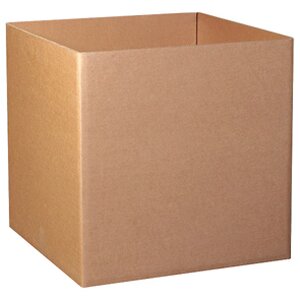 | 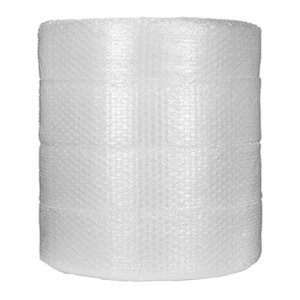 | 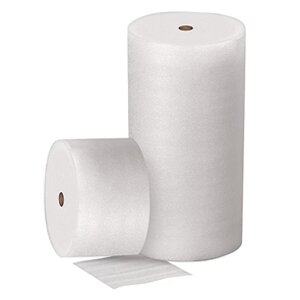 |
| Use reinforced corrugated cartons designed to handle industrial loads. Choose boxes with the right weight rating to prevent crushing and tearing during transit. | This lightweight cushioning absorbs impact and keeps smaller tools, parts, or fragile components from colliding in transit. | Custom-cut padding fits snugly around heavy or oddly shaped items, provides stability, and reduces shifting during shipment. |
Want to dive deeper into packaging choices? Zoro’s resource, 3 Types of Protective Packaging for Shipping Products, explains how air pillows, edge protectors, and structural supports can give your shipments an extra layer of security.
Handling Practices to Avoid Damage
Even the strongest packaging can fail if shipments aren’t handled properly. Freight damage prevention often comes down to the basics.
- Train crews to lift and move boxes carefully, stacking heavier cartons on the bottom so lighter ones don’t get crushed.
- Use clear labels like “Fragile” or “This Side Up” to guide handling.
If you regularly ship delicate or breakable items, don’t miss Zoro’s guide, 8 Tips on How to Pack Fragile Items for Shipping. It covers practical methods like double-boxing, padding voids, and sealing boxes correctly—steps that can help prevent costly returns when fragile components are in the mix.
4 Tips for Pallets and Crates
When you’re shipping bulk or oversized items, pallets and crates can save you a lot of headaches.
- Make sure your team shrink-wraps or bands shipments tightly so nothing shifts in transit.
- Pay attention to how weight is distributed across each pallet. An unbalanced load is more likely to tip.
- Sturdy pallets made of treated wood or plastic will hold up better through repeated transfers.
- For fragile or high-value machine parts, don’t hesitate to invest in custom crating. It may cost more upfront, but it can prevent costly damage and downtime later.
Quality Checks to Reduce Shipment Damage
A few quick checks before freight leaves your facility can go a long way in preventing problems.
- Take a moment to look over packaging for weak seals, crushed corners, or stacks that don’t look secure.
- Snap photos of shipments before they head out the door. Those records can be invaluable if you ever need to file a freight claim.
- Don’t overlook return data. If the same type of damage keeps showing up, it’s a sign to adjust your packaging or handling process before it costs you more downtime.
FAQs
What’s the best way to prevent freight damage for heavy items?
Use heavy-duty cartons or crates, balance pallet loads, and secure them with shrink wrap or banding.
How can I avoid package damage when shipping fragile machine parts?
Cushion thoroughly, block movement inside the box, and crate high-value components.
What’s the fastest way to cut down on shipping damage?
Upgrade to stronger packaging materials and improve staff handling practices.
Final Thoughts
Shipment damage can throw off your entire schedule. By investing in durable packaging, training your teams, and building in cargo damage prevention steps, you can reduce downtime, avoid costly replacements, and keep both jobsites and production lines running on time. Protecting packages protects your projects and your business.
Product Compliance and Suitability
The statements contained in this guide are intended for general informational purposes only. Such statements do not constitute a product recommendation or representation as to the appropriateness, accuracy, completeness, correctness, or currentness of the information provided. Information provided in this guide does not replace the use by you of any manufacturer instructions, technical product manual, or other professional resource or adviser available to you. Always read, understand, and follow all manufacturer instructions. Portions of this article were generated in part by ChatGPT, and edited by a member of the Zoro team.
