


Replacing Your Sump Pump: A Step-by-Step Guide
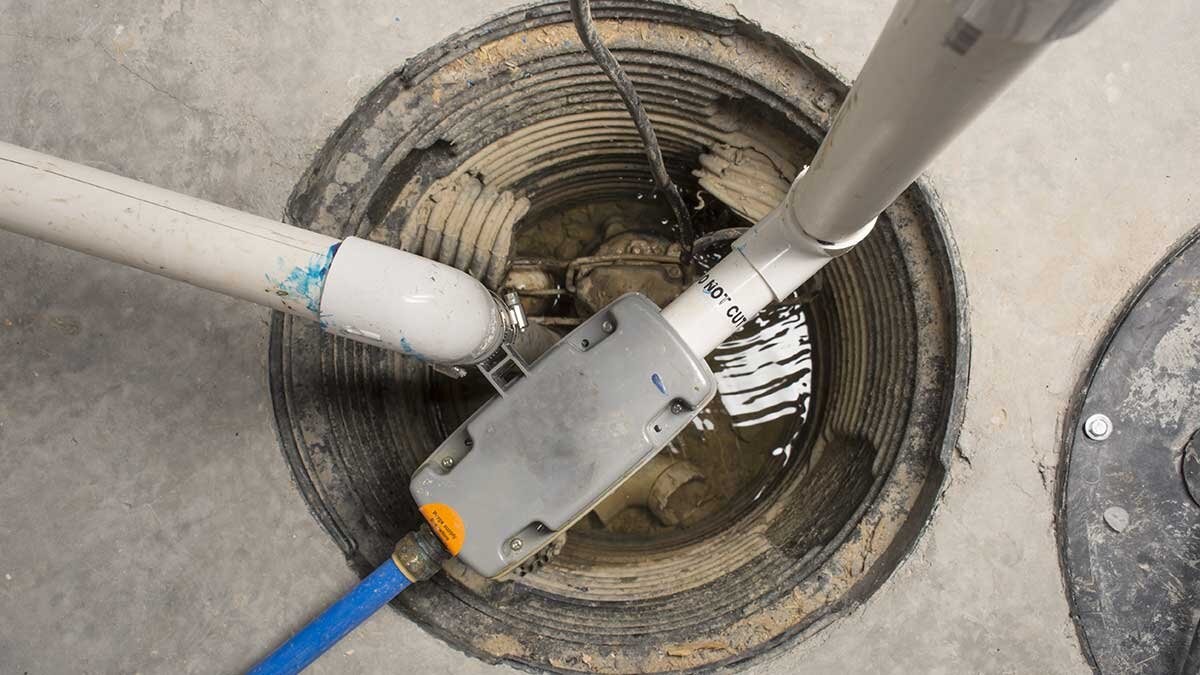
A sump pump is an essential component of any home’s plumbing system, helping to keep your basement dry and free of flooding. Unfortunately, sump pumps can wear out over time, leaving you in need of a replacement. To help you through this process, we’ve put together this guide on how to replace your sump pump. Please bear in mind that all appropriate safety precautions should be taken when performing any home repairs or removing/replacing/installing any equipment, and it’s recommended to consult a professional for any questions or concerns, as installation sites and equipment can and do vary. This guide is not a substitute for professional service or recommendations nor for product-specific manuals or instructions.
Signs of a Faulty Sump Pump
Before you start the replacement process, it’s important to recognize the signs that your current sump pump is failing. These may include, but are not limited to:
- Frequent cycling or running for long periods of time
- Unusual noises or vibrations coming from the pump
- Rust or corrosion on the pump or its components
- Leaking water around the pump
- Excessive electrical usage or higher than normal energy bills
If you notice any of these warning signs, it’s time to start researching replacement options. Regular maintenance and inspection of your sump pump can help you catch any potential issues before they become more serious.
Choosing the Right Replacement Pump
When selecting a new sump pump, there are several factors to consider. The most common types of sump pumps are pedestal, submersible, and battery-powered models. Pedestal pumps have a motor mounted above the sump basin, while submersible pumps sit directly inside the basin. Battery-powered pumps provide backup protection in case of a power outage.
In addition to choosing the type of pump, you’ll also need to consider the size and capacity of the pump. A pump with too low of a capacity won’t be able to handle the amount of water flowing into the sump basin, while a pump with too high of a capacity may be overkill for your specific needs.
Gathering the Necessary Tools and Equipment
Before beginning the replacement process, it’s important to make sure you have all of the necessary tools and equipment. This will include items such as:
- A utility knife or other sharp cutting tool
- Pliers
- A screwdriver or drill with appropriate bits
- PVC cement and primer
- An adjustable wrench or socket set
- Electrical tape and wire nuts
It’s also important to take safety precautions when replacing your sump pump. Make sure to shut off power to the unit before beginning work, and wear protective gloves and eyewear while handling electrical components.
Removing the Old Sump Pump
Once you have gathered the necessary tools and supplies, you can begin removing the old sump pump. Start by disconnecting the power cord from the outlet and then remove any screws or bolts that are holding the pump in place. You can then carefully lift out the old pump and dispose of it properly.
Installing the New Sump Pump
The next step is to install your new sump pump. Begin by connecting any plumbing and electrical components as per manufacturer instructions. Then, secure the new pump in place with screws or bolts. Finally, attach the power cord to an appropriate outlet and check for any leaks.
Testing and Maintaining Your New Sump Pump
Once your new sump pump is installed, it’s important to conduct a test run to ensure it is functioning properly. Fill up the sump basin with water and watch as the new pump kicks on and begins pumping out water. If everything looks good, you can move on to ongoing maintenance.
To keep your new sump pump running smoothly, it’s important to regularly inspect it for signs of wear or damage. Additionally, you should clean out the sump basin on a regular basis to prevent clogs or other issues. It’s also a good idea to replace your sump pump’s float switch every few years to ensure proper operation.
Replacing your sump pump can seem like an intimidating task, but with the right tools and knowledge, it doesn’t have to be difficult. By following these steps, you can easily replace your sump pump and keep your basement dry for years to come. If you have any questions or questions about the inspection, installation, or replacement of a sump pump, always consult a professional plumber, electrician, or other service provider, and never install equipment without the proper safety equipment, tools, and knowledge.
Product Compliance and Suitability
The statements contained in this guide are intended for general informational purposes only. Such statements do not constitute a product recommendation or representation as to the appropriateness, accuracy, completeness, correctness, or currentness of the information provided. Information provided in this guide does not replace the use by you of any manufacturer instructions, technical product manual, or other professional resource or adviser available to you. Always read, understand, and follow all manufacturer instructions. Portions of this article were generated in part by ChatGPT, and edited by a member of the Zoro team.
