


How to Replace Circular Saw Blades
If you’re running into consistent issues with your circular saw, it may be time to replace your saw blade.
Whether you’re a professional or a do-it-yourselfer, circular saws are a common and crucial power tool that can be fitted with various types of circular saw blades, including wood cutting saw blades, metal cutting circular saw blades, masonry blades and, of course, wood cutting blades. But how do you know when it’s time to replace your circular saw blades — and when that day comes, how do you actually go about changing them? We’ll walk you through the process, from deciding whether a replacement is needed to choosing the right saw blades for your equipment and purposes.
Deciding when to replace your circular saw blades
Don’t wait until the blade damages your workpiece by tearing it, burning it, chipping it or binding to it. You should never have to force the blade into the workpiece. Inspect the blade regularly. Start by removing the saw blade to take a closer look. It’s possible that it may simply need cleaning or sharpening. However, if you notice that the blade is damaged, dull, or is missing teeth, it likely needs to be replaced. If you use a blade with a carbide edge, shine a bright light on the wear line and inspect the edge with a magnifying glass to determine if it's beginning to dull.
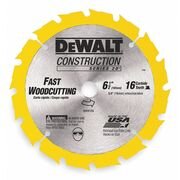
Use a light to inspect this carbide edge blade.
Choosing the right circular saw blades
There are a number of factors involved in choosing the right replacement circular saw blades, including the manufacturer of your saw, the project you’re working on, and the size. You should first consult your manufacturer or manual to make sure you’re shopping for the right blades. From there, you can shop saw blades by application, such as metal, wood, or masonry. Many circular saw blades are also available with carbide tips for added durability.

Take caution while replacing your blades. Protective gloves can help.
How to replace your circular saw blades
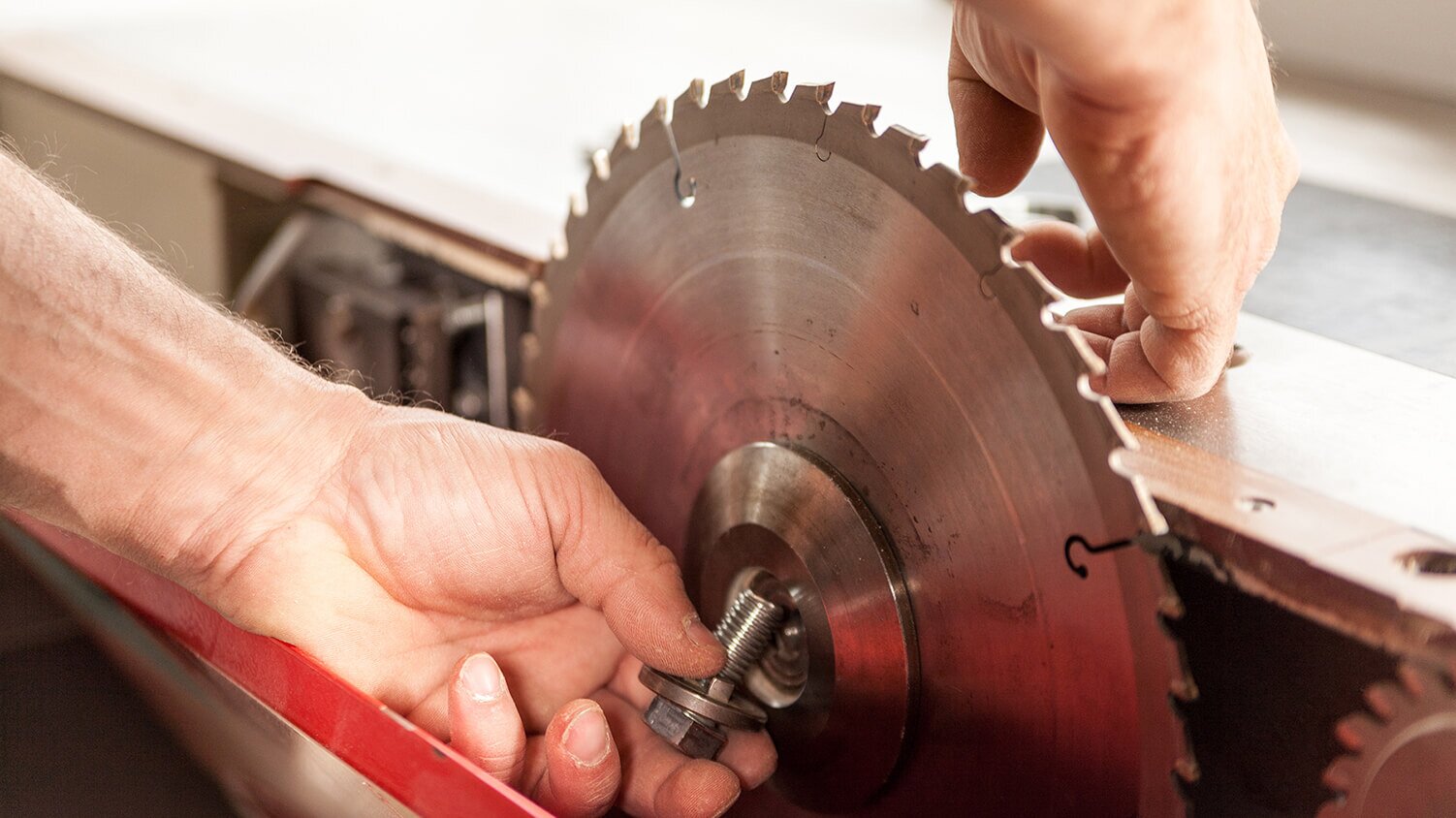
If you’re a hobbyist, it may make sense to contact a professional for circular saw blade repairs because there are potential safety risks involved in replacing the blades yourself. If you’re an experienced professional, make sure to take your time and wear appropriate safety gloves. After disconnecting power to your saw, remove the locking screw, damaged blade, and guard, then place the new blade and guard with the teeth facing up. Turn the screw to the appropriate tightness (without over-tightening), reconnect the power, and safely test your saw.
When your circular saw isn’t getting the job done anymore, our circular saw blades can come to the rescue. You may also be interested in our full selection of power saws and accessories.
Product Compliance and Suitability
The product statements contained in this guide are intended for general informational purposes only. Such product statements do not constitute a product recommendation or representation as to the appropriateness, accuracy, completeness, correctness or currentness of the information provided. Information provided in this guide does not replace the use by you of any manufacturer instructions, technical product manual, or other professional resource or adviser available to you. Always read, understand and follow all manufacturer instructions.
