


How to Store and Dispose of Paint Safely and Responsibly
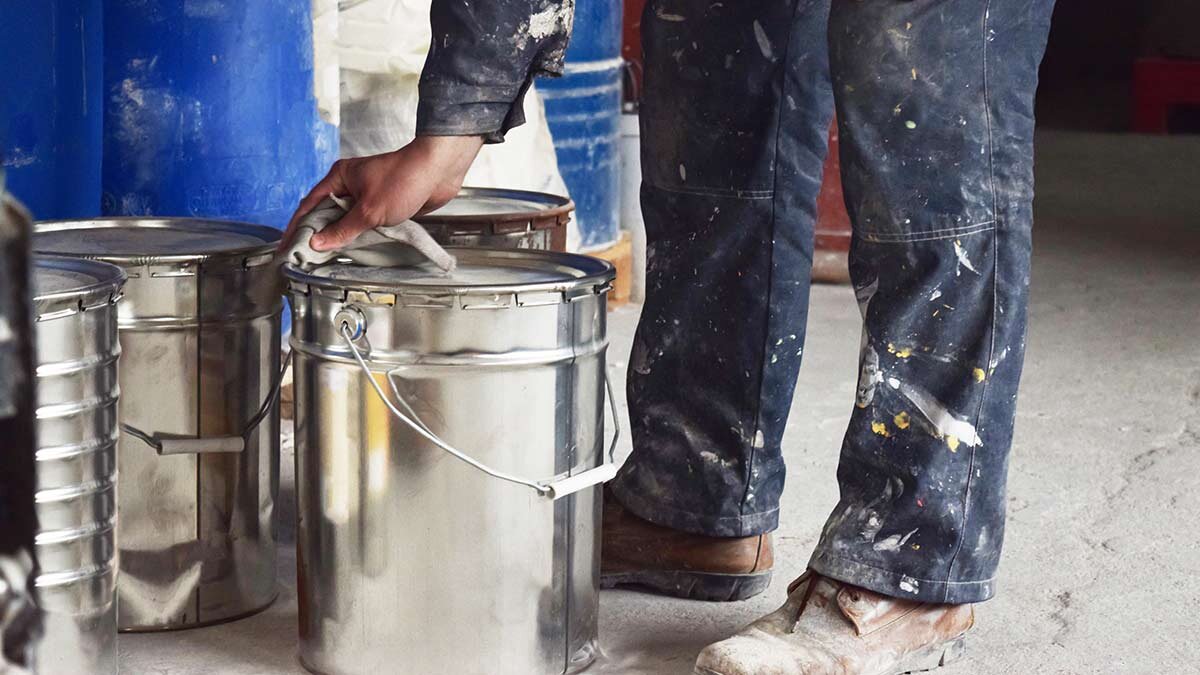
Paint plays an essential role in construction, renovation, and facility upkeep, but what happens when there’s leftover paint after the job’s done? Whether it’s latex, acrylic, or oil-based, leftover paint must be handled with care to avoid safety risks, prevent environmental contamination, and stay compliant with local regulations. If you’re a contractor, facility manager, or operations lead, it’s important to have a reliable method for storing and disposing of paint. Here’s what you need to know to handle it correctly and keep your workplace running smoothly.
Safe Storage: Extending the Life of Leftover Paint
Sometimes a half-used can of paint is just what you need for touch-ups or minor repairs. Storing it properly keeps it usable and safe to handle later on.
- Seal the lid tightly. Use a rubber mallet to gently close the can. This minimizes air exposure, which can cause paint to dry out or develop a skin.
- Label the container. Mark the date, color, and area it was used on the label or lid.
- Store in a dry, temperature-controlled space. Extreme heat or cold can compromise paint quality. A cool, dry location like a basement or utility closet is generally a good choice.
- Keep out of reach of unauthorized personnel. Store paint away from heat sources and where children or untrained workers can’t access it.
For aerosol paints or specialty coatings, always follow the manufacturer’s handling instructions for storage.
How to Dispose of Paint
When paint is no longer usable or needed, disposal must follow local, state, and federal regulations. Paint disposal methods vary depending on whether the paint is latex (water-based) or oil-based.
Latex or Water-Based Paint
Latex paint is not classified as hazardous waste in many jurisdictions, but it can’t be poured down drains, storm sewers, or onto the ground. Here's how to prepare it for disposal.
- Solidify before discarding. Mix the paint with an absorbent material like cat litter, sawdust, or a commercial paint hardener. Stir until the texture becomes thick or dry.
- Dispose with regular trash (when approved). Once the paint is solid and dry, some local waste management services allow you to dispose of it with regular garbage. Always confirm with your municipal waste authority first.
Check with your local solid waste agency for specific rules on drying and discarding latex paint.
Oil-Based Paint
Oil-based paints are considered hazardous waste and require different disposal procedures.
- Never throw in regular trash. Due to flammability and potential environmental risks, oil-based paint must be taken to a household hazardous waste (HHW) collection site.
- Use EPA resources to locate disposal sites. Visit epa.gov or contact your local HHW facility to find authorized drop-off locations.
Do not attempt to dry out or pour oil-based paint down drains; it may violate hazardous waste regulations.
Can You Recycle Paint?
In many areas, yes: paint can be recycled through take-back programs or donation centers. Some state programs, such as PaintCare, work with retailers and municipalities to collect and recycle unused paint.
- Eligible paints: Most programs accept latex and oil-based paints in their original, labeled containers.
- Donation option: If the paint is still usable, local nonprofits, schools, or community groups may accept it.
Before donating or recycling, confirm that the paint is in good condition (i.e., no foul odor or signs of separation) and that the container is clearly labeled.
FAQs: Common Paint Disposal Questions
Can You Pour Paint Down the Drain?
No. According to the EPA, pouring paint down a drain or into a storm sewer can harm plumbing systems and contaminate water supplies. Always use proper solidification or hazardous waste disposal methods.
Can I Throw Away Paint?
Only latex paint that has been dried or solidified may be eligible for disposal in your regular trash, pending approval from local waste authorities. Oil-based paints require disposal through hazardous waste facilities.
Can You Use Cat Litter to Dry Paint?
Yes. Clay-based cat litter can be stirred into latex paint to help absorb moisture and speed up drying for safe disposal. Use a 1:1 ratio and allow several hours to solidify completely.
Final Thoughts for Business Owners
From facility touch-ups to full-site refreshes, paint is a part of the job. Knowing how to store, recycle, or dispose of paint responsibly helps your operation stay safe, organized, and compliant. Keep your crew informed about local disposal rules, and when in doubt, contact your local waste authority or environmental agency for guidance.
Product Compliance and Suitability
The statements contained in this guide are intended for general informational purposes only. Such statements do not constitute a product recommendation or representation as to the appropriateness, accuracy, completeness, correctness, or currentness of the information provided. Information provided in this guide does not replace the use by you of any manufacturer instructions, technical product manual, or other professional resource or adviser available to you. Always read, understand, and follow all manufacturer instructions. Portions of this article were generated in part by ChatGPT, and edited by a member of the Zoro team.
