


How to Use Hydraulic Cement for Foundation and Concrete Repair
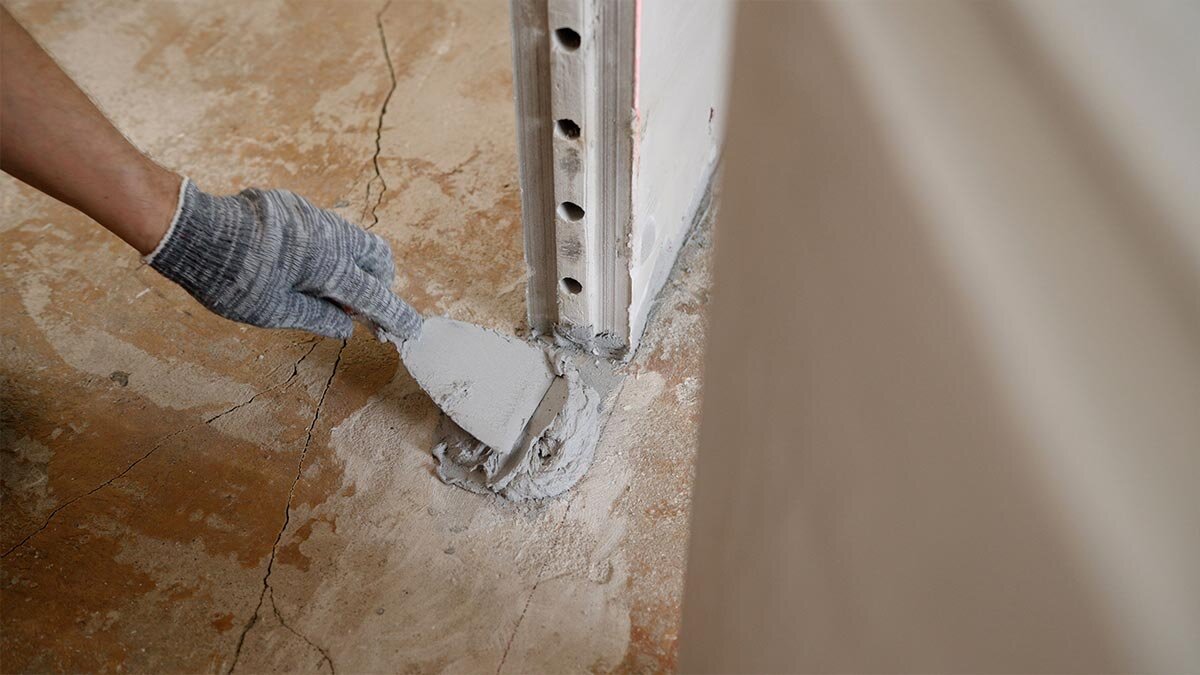
When you’re running a business, even small cracks or leaks can interrupt a full day’s work. Hydraulic cement gives you a dependable way to handle these issues quickly so your team can stay focused and your facility stays productive. It’s widely used for foundation crack repair, concrete patching, masonry restoration, and leak sealing in environments where moisture and durability matter most. This guide walks through hydraulic cement usage, how it works, and the steps to mix and apply it with confidence.
What Is Hydraulic Cement?
Hydraulic cement is a fast-setting material that hardens when it comes in contact with water. As it cures, it expands slightly, allowing it to fill gaps and seal out moisture. That makes it especially useful in areas with active leaks or water intrusion, such as foundations, utility rooms, and concrete floors.
Businesses often turn to industrial hydraulic cement because it:
- Bonds quickly
- Works in damp environments
- Helps limit downtime
- Supports long-lasting repairs in concrete and masonry
In many situations, hydraulic cement performs where standard cement might not.
When to Use Hydraulic Cement
Hydraulic cement is built for repairs where moisture is present or fast setting is needed. It’s commonly used to:
- Seal small leaks around drains or pipe penetrations in basements, tanks, or utility areas.
- Fill cracks in concrete foundations, walls, or slabs.
- Restore damaged masonry or mortar joints.
- Patch holes in floors, docks, or walkways.
- Complete repairs that must be done quickly to keep operations moving.
If you notice water seeping through concrete or a crack that could widen over time, this material can help you take action early.
Hydraulic Cement Mixing Instructions
To get the best results, it’s important to follow hydraulic cement mixing instructions closely. The process is straightforward, but timing matters.
- Prep the surface. Clean the area by removing dust, debris, and loose concrete. Dampen the surface before applying cement—just avoid having any standing water.
- Mix small batches. Combine the dry mix with clean water in a sturdy container. Work in small amounts, since hydraulic cement starts to harden within a few minutes.
- Check the texture. Aim for a firm, moldable consistency, similar to clay. Add water gradually to reach the right balance.
- Apply firmly. Press the mixture deep into the crack or hole, starting from the edges and moving inward.
- Hold and set. For active leaks, hold the patch in place until it begins to set, usually in under five minutes. Allow full curing before painting, sealing, or coating.
Tips for Consistent, Reliable Repairs
A few extra habits can make hydraulic cement usage even more effective.
- Mix only what you can apply immediately.
- Keep surfaces clean for better bonding.
- Apply when temperatures are between 45°F and 90°F.
- Aim for a thicker mix for stronger results.
- Add a waterproof coating once cured if your space calls for extra moisture protection.
Why It Matters for Business Owners
Small cracks and leaks may not look urgent, but they can create costly interruptions if ignored. Hydraulic cement helps your team fix issues before they grow, keeping your building safer, your equipment protected, and your workflow steady. Whether you’re patching a foundation or maintaining concrete floors, it’s helpful to keep dependable repair materials on hand so you can respond quickly and confidently. Explore Zoro’s selection of hydraulic cement, patching tools, and concrete repair supplies to help keep your workplace running smoothly.
Product Compliance and Suitability
The statements contained in this guide are intended for general informational purposes only. Such statements do not constitute a product recommendation or representation as to the appropriateness, accuracy, completeness, correctness, or currentness of the information provided. Information provided in this guide does not replace the use by you of any manufacturer instructions, technical product manual, or other professional resource or adviser available to you. Always read, understand, and follow all manufacturer instructions. Portions of this article were generated in part by ChatGPT, and edited by a member of the Zoro team.
