


Hurricane Preparedness Guide for Businesses
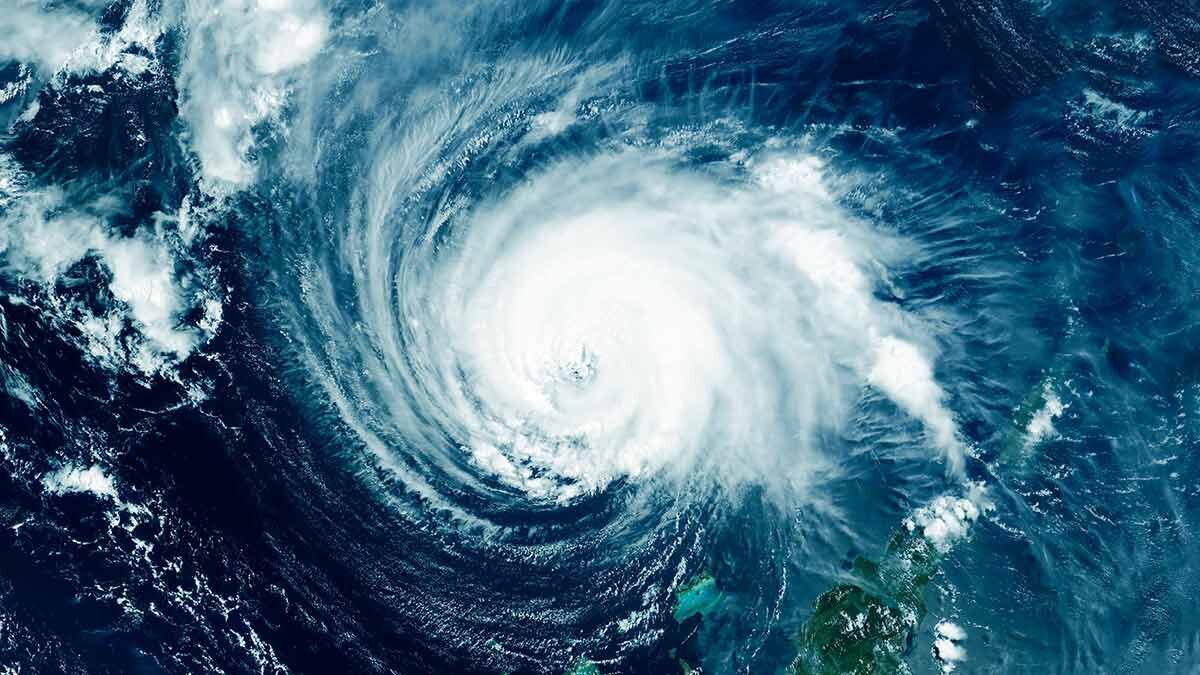
Hurricanes can cause widespread disruption across construction sites, facilities, and businesses. Advance preparation can support preparedness efforts to help protect equipment and raise safety awareness. This hurricane preparedness guide provides an overview of storm risks, readiness tips, and resources to help you stay resilient before, during, and after the storm. Read on to learn how to take precautionary steps for your employees and your business.
Understanding Hurricanes
A hurricane is a type of tropical cyclone or severe tropical storm that originates in the Atlantic Ocean, Caribbean Sea, Gulf of Mexico, or eastern Pacific Ocean. Hurricanes are categorized from 1 to 5 based on sustained wind speeds.
- Category 1: 74 - 95 mph
- Category 2: 96 - 110 mph
- Category 3: 111 - 129 mph
- Category 4: 130 - 156 mph
- Category 5: 157 mph or higher
All hurricane categories can cause water and wind damage. Category 3 storms and above are especially dangerous due to the higher risk of severe property damage and safety threats. Understanding forecast information, such as projected storm paths and wind speeds, is essential for timely decision-making. Learn more about what the forecast for your area includes by consulting official weather services such as the National Hurricane Center.
When Is Hurricane Season?
It’s imperative to prepare well in advance of hurricane season. Vital supplies may become scarce in the days leading up to a hurricane, and you will want to make sure your home and business are well-prepared to weather the storm. In the U.S., hurricane season spans several months, depending on the hurricane zone in which your business is located.
- Eastern Pacific Hurricane Season: May 15 - November 30
- Atlantic Hurricane Season: June 1 - November 30
- Central Pacific Hurricane Season: June 1 - November 30
Know Your Risk for Hurricanes
Is your business located in one of the above zones? If so, being prepared and staying informed are your best defenses against a hurricane. Here are just a few ways to receive weather and safety alerts so you can stay ahead of the storm.
- Download the FEMA app. Some features include receiving real-time updates from the National Weather Service, locating disaster relief centers where you can speak to a FEMA representative, safety tips, and much more.
- Make sure to sign up for community alerts in your area and be aware of Emergency Alert System (EAS) and Wireless Emergency Alert (WEA) messages. EAS and WEA message services do not require you to sign up.
- EAS messages are sent through satellite digital audio services, broadcasters, cable television systems, and wireless cable systems. EAS is the national public warning system. The U.S. President alone decides when national-level messages are disseminated. State and local authorities may also utilize the EAS for various emergency situations.
- WEA messages are short emergency text alerts sent to WEA-enabled devices from authorized federal, state, tribal, territorial, or local entities.
Preparing Before Hurricane Season
1. Develop an Emergency Plan
- Identify evacuation routes and shelters in your area.
- Assign roles to staff for communication, equipment shutdown, and safety tasks.
- Maintain an up-to-date contact list of team members, suppliers, and emergency services.
- Plan for remote work or alternative operations if access to your facility is disrupted.
Practicing your facility’s evacuation plan is imperative. Make sure to hold regular training sessions and drills for your staff to take the guesswork out of a real emergency. If you don’t know how to start devising your business’s emergency preparedness plan, this Hurricane Toolkit will point the way.
2. Build a Hurricane Preparedness Kit
Taking precautionary steps before a storm can improve readiness. A hurricane preparedness kit can help you get through several days without access to food and water. This kit doesn’t differ from a general emergency preparedness kit, so make sure you always have these supplies on hand in a water-resistant container, suitcase, or duffel bag.
3. Secure Your Facility or Jobsite
- Install storm shutters or board up windows to protect against debris.
- Reinforce roofs and exterior doors.
- Anchor or store loose equipment and materials.
- Protect electrical systems, HVAC units, and backup generators.
- Safeguard IT systems with surge protectors and cloud backups.
Actions During a Hurricane
If Evacuating:
- Follow local government evacuation orders promptly and refer to your emergency preparedness plan.
- Take your emergency kit and essential documents.
- Notify your team and emergency contacts of your location.
- Raise your elevators to the second floor and turn them off in case of flooding.
- Take critical electronics such as phones, hardware, and chargers with you.
- Unplug all electrical devices before you vacate the premises.
- Redirect the phone system to a cell phone or update your company’s voicemail.
- Stay informed via the FEMA app and local news.
If Sheltering in Place:
- Stay indoors, away from windows and glass doors.
- Monitor weather updates from trusted sources.
- Use flashlights instead of candles to reduce fire risk.
Post-Hurricane Safety
- Inspect the facility for structural damage before re-entry.
- Avoid floodwaters, which may contain debris or contamination.
- Watch for downed power lines, gas leaks, or electrical hazards.
- Avoid drinking tap water until local authorities confirm its safety.
- Get in contact with employees via your agreed-upon method to relay next steps.
- Wash and disinfect everything that got wet.
- Operate generators only in well-ventilated outdoor areas.
- Document damage thoroughly with photos or videos and contact your insurance provider.
Resources and Support
- FEMA Hurricane Preparedness: https://www.ready.gov/hurricanes
- CDC Emergency Preparedness: https://www.cdc.gov/disasters/hurricanes/index.html
- National Hurricane Center: https://www.nhc.noaa.gov/
When hurricane season approaches, planning ahead can help support workplace safety and reduce disruptions. Whether you're updating emergency kits or sourcing backup power equipment, explore Zoro's selection of hurricane preparedness supplies to help keep your business ready.
Product Compliance and Suitability
The statements contained in this guide are intended for general informational purposes only. Such statements do not constitute a product recommendation or representation as to the appropriateness, accuracy, completeness, correctness, or currentness of the information provided. Information provided in this guide does not replace the use by you of any manufacturer instructions, technical product manual, or other professional resource or adviser available to you. Always read, understand, and follow all manufacturer instructions. Portions of this article were generated in part by ChatGPT, and edited by a member of the Zoro team.
