


Hydrometer Guide: How to Test Automotive Batteries
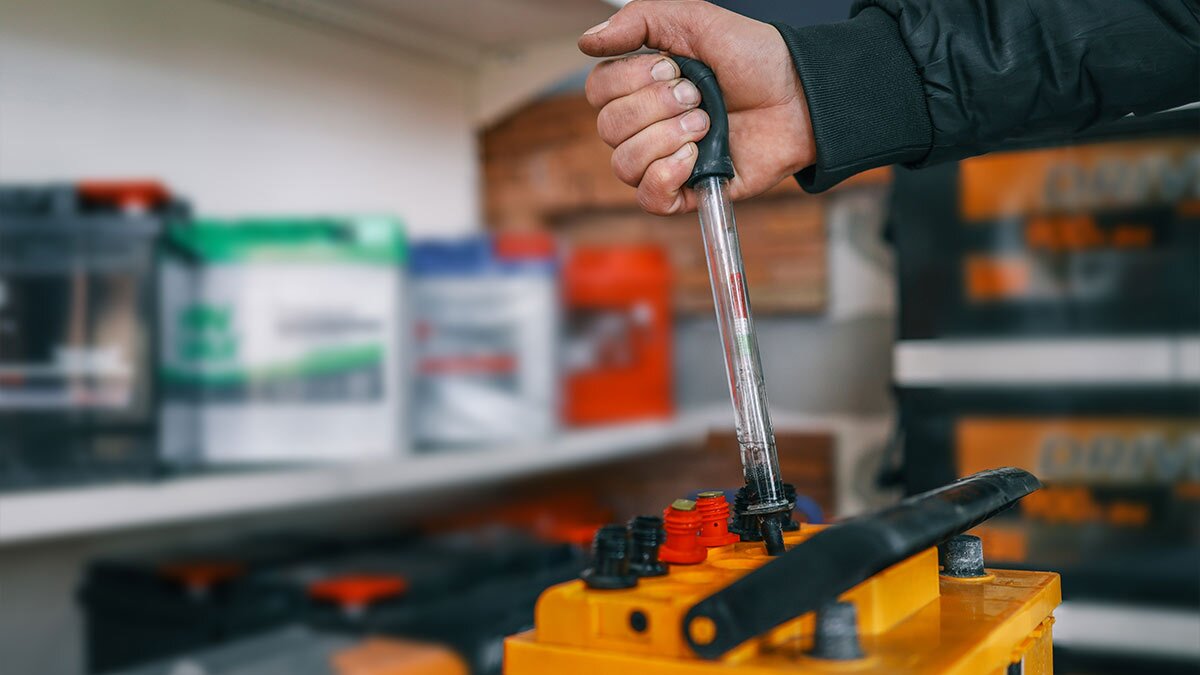
When you’re running an automotive shop, reliable tools make all the difference. One of the simplest and most useful instruments you’ll keep on hand is the hydrometer. This guide walks you through what a hydrometer does, how to use one, and why it’s essential for checking batteries.
What Does a Hydrometer Measure?
A hydrometer measures specific gravity, or the density of a liquid compared to water. In the shop, this reading helps you quickly understand the health of two critical systems.
Car batteries: A hydrometer reading shows the state of charge and overall battery condition.
Cooling systems: A hydrometer indicates antifreeze concentration, so you know whether an engine is protected from freezing and overheating.
Types of Hydrometers for Automotive Work
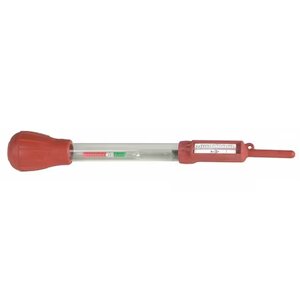
Measures the density of the acid solution in lead-acid batteries. They are often built with acid-resistant plastic or glass and marked with scales from 1.100 to 1.300 specific gravity. Some use weighted floats, graduated stems, or color-coded discs.
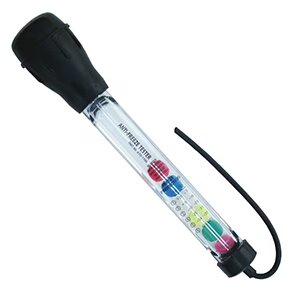
Measures antifreeze concentration to determine freeze and boil protection levels. Ideal for quick, accurate coolant checks using floating indicators or ball systems in automotive service environments.
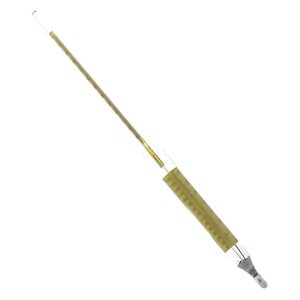
Measures petroleum liquid density on the API gravity scale. Commonly used to verify consistency and quality of fuels, oils, and other hydrocarbons in industrial and lab settings.
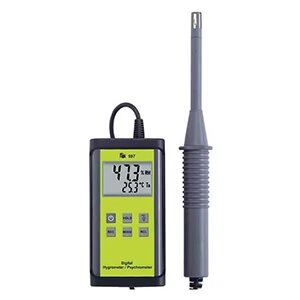
Provides fast, electronic density readings with temperature correction. Designed for accurate, repeatable measurements of battery electrolyte, coolant, or fuel without manual interpretation or scale reading.
How to Use a Hydrometer
The process is simple for battery checks.
Draw a liquid sample into the tool using suction or immersion.
Allow the hydrometer to stabilize and display the reading.
Compare the specific gravity reading to standard charge levels.
How to Read a Hydrometer
The key to accurate readings is knowing where to look. For battery hydrometers, the specific gravity is read at the liquid surface on the stem or float inside the tool. Recording these values and comparing them over time helps identify battery weakness or shifts in coolant mixture before they become bigger issues.
Calibration and Temperature Correction
Hydrometers are factory-calibrated at a standard temperature, often 60°F or 80°F. Because liquid density changes with heat, results may need adjustment. Battery hydrometers generally require a correction of 0.004 specific gravity for every 10°F above or below 80°F. Keeping calibration in mind ensures your results stay consistent, no matter the shop conditions.
Final Thoughts
Hydrometers may be small, but they deliver big value in day-to-day vehicle maintenance. From checking battery charge to confirming overall performance, they give you quick answers that keep your shop efficient and your customers’ vehicles running smoothly. Looking to add one to your toolkit? Explore hydrometer options at Zoro and find the product that fits your testing needs.
Product Compliance and Suitability
The statements contained in this guide are intended for general informational purposes only. Such statements do not constitute a product recommendation or representation as to the appropriateness, accuracy, completeness, correctness, or currentness of the information provided. Information provided in this guide does not replace the use by you of any manufacturer instructions, technical product manual, or other professional resource or adviser available to you. Always read, understand, and follow all manufacturer instructions. Portions of this article were generated in part by ChatGPT, and edited by a member of the Zoro team.
