


Jobsite Flooding and Wet Condition Hazards for Small Business Owners
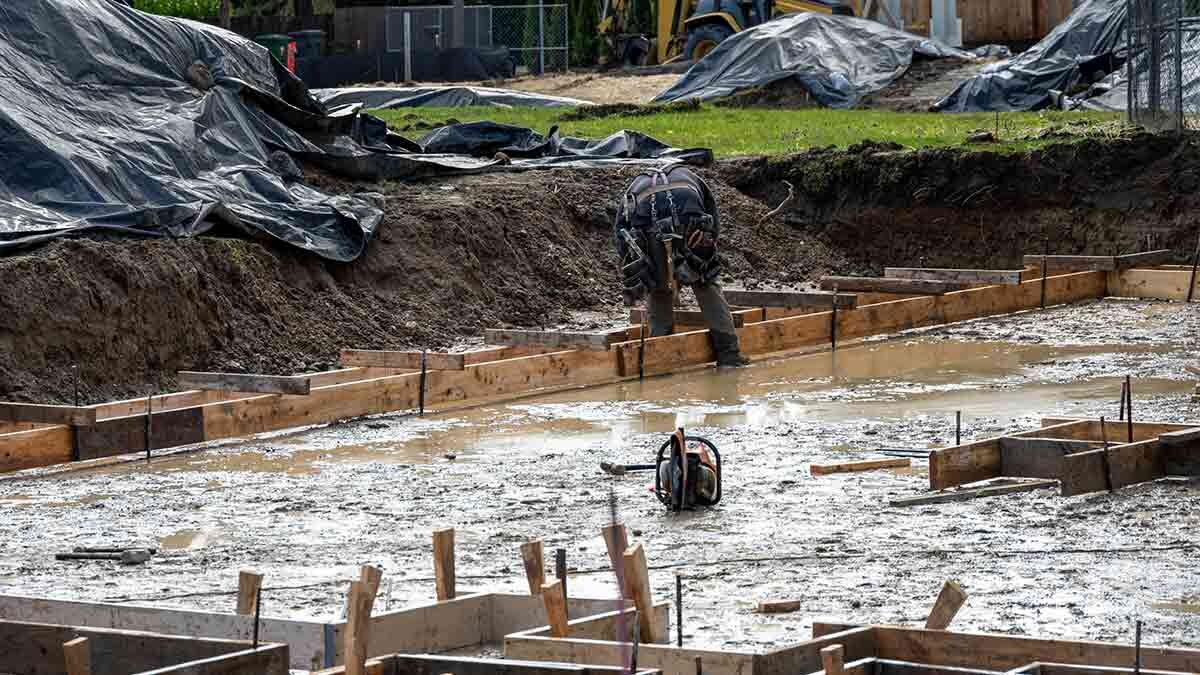
Flood safety in the workplace starts long before water rises. If you own or manage a business with crews working in construction or maintenance, you know how quickly wet weather can disrupt progress. A smart weather contingency plan and clear flood response tactics help you keep your team safe and your projects moving forward, even when the rain doesn’t let up.
Why Wet Weather Demands Extra Planning
Wet environments make every task riskier. Slippery surfaces increase the chance of falls, standing water weakens soil, and electrical equipment becomes dangerous when exposed to rain. Add in the possibility of flooding, and your crews may face work stoppages or even evacuation. That’s why every small business owner needs a weather contingency plan. This plan not only helps protect workers but also keeps jobsites organized and schedules from slipping too far behind.
10 Safety Measures for Protecting Workers Near Water Hazards
If you’ve ever wondered what safety measures your business needs to provide for workers near water, these ten steps will help.
- Create an emergency flood response plan that spells out responsibilities and safe exit routes.
- Plan your site layout with grading, berms, and elevated work areas to reduce water buildup.
- Install temporary drainage systems—like ditches or culverts—to redirect stormwater.
- Slow down movement on wet surfaces and train crews to be extra cautious.
- Provide weather-rated tools with insulated grips to minimize shock risks.
- Outfit workers with PPE, including non-slip boots, gloves, and eye protection.
- Deliver regular training specific to working in rain and wet conditions.
- Assign only trained staff to high-risk recovery tasks after a flood.
- Supply proper recovery equipment like pumps, respirators, and waterproof gear.
- Update your weather contingency plan after each storm season to improve your response.
Why Is Stormwater Management Important?
The answer is simple: uncontrolled water can stall your projects and create ongoing hazards. Heavy rain and flooding don’t just slow work for the day. They can wash out soil, weaken work areas, and leave behind problems that take time and money to fix. By putting stormwater systems like grading, barriers, or pumps in place, you can guide water away from active zones and keep your site stable. That means your crew can get back to work sooner and your projects stay on schedule.
Building a Severe Weather Plan That Works
Every small business needs a severe weather plan that answers three key questions:
- When do we stop work?
- Where do workers go if flooding starts?
- What’s our process for securing equipment and materials?
Pairing this with a flexible weather contingency plan allows you to adjust schedules and keep your business running, even when Mother Nature doesn’t cooperate.
Responding After the Storm
Once waters recede, the job isn’t over. Emergency flood response should focus on safe cleanup. That includes inspecting for hidden hazards, testing electrical systems before use, and ensuring workers have the training and PPE they need. For more details on safe procedures, check out our flood cleanup and recovery guide. Crews should also remember: never drive through standing water. It’s one of the most common and preventable dangers after a flood. To make sure you’re prepared with the right resources, review The Ultimate Storm Recovery Supply Checklist for Small Business Owners.
Flooding and wet weather don’t have to stop your business in its tracks. With a clear severe weather plan, effective stormwater management, and a tested emergency flood response, you can protect your people, your property, and your profits. Preparation today keeps your team safer tomorrow and helps your business bounce back faster when storms hit.
FAQs
What safety measures does your business need to provide for workers near water?
Provide clear flood response plans, PPE like non-slip boots and gloves, and training focused on wet condition hazards.
Why is stormwater management important?
It prevents uncontrolled water from stalling projects, weakening soil, and creating ongoing hazards on your jobsite.
What’s included in a severe weather plan?
Defined work stoppage points, evacuation routes, and steps to secure equipment and materials.
What should flood response include after a storm?
Hazard inspections, electrical system checks, and safe cleanup procedures with trained crews.
How can small business owners prepare for wet weather?
By combining weather contingency planning, proper drainage systems, and regular worker training.
Product Compliance and Suitability
The statements contained in this guide are intended for general informational purposes only. Such statements do not constitute a product recommendation or representation as to the appropriateness, accuracy, completeness, correctness, or currentness of the information provided. Information provided in this guide does not replace the use by you of any manufacturer instructions, technical product manual, or other professional resource or adviser available to you. Always read, understand, and follow all manufacturer instructions. Portions of this article were generated in part by ChatGPT, and edited by a member of the Zoro team.
