


Key Stock Material Selection Guide
What Is Key Stock?
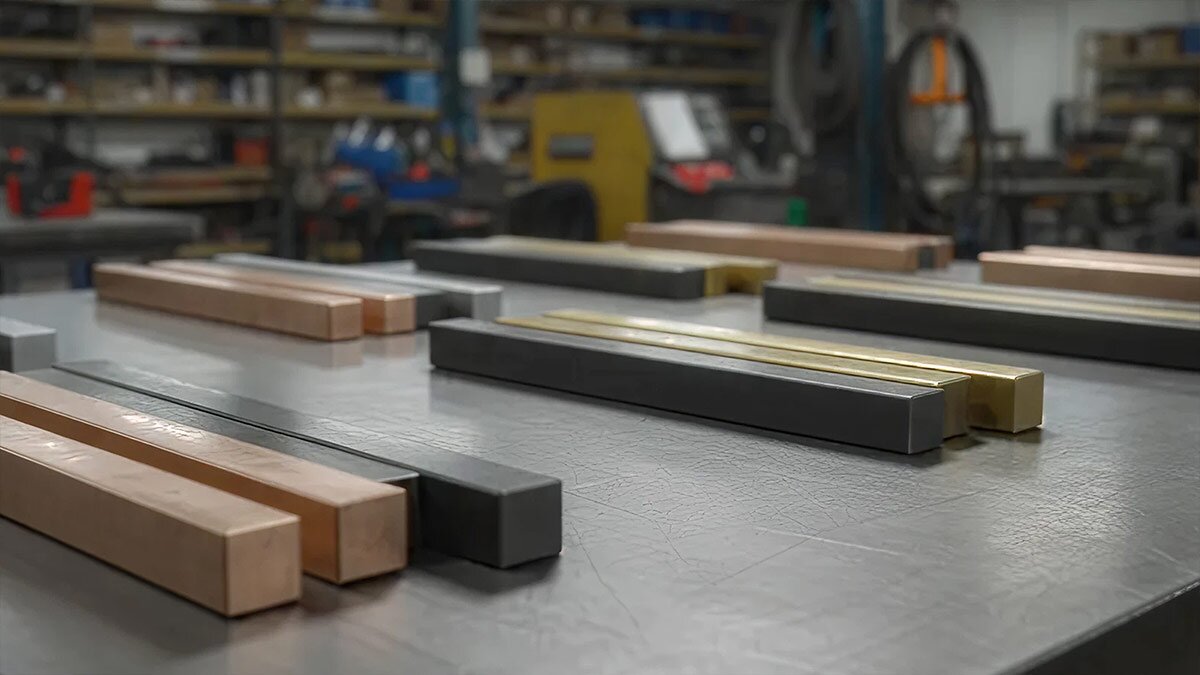
Key stock (also known as keyway stock) is precision-ground metal bar stock used to connect rotating parts like pulleys, gears, and couplings to a shaft. Once fitted into a machined keyway, it locks both parts together, transferring torque safely and efficiently. In other words, key stock keeps your mechanical systems moving as one—reliably and securely.
How Key Stock Is Used
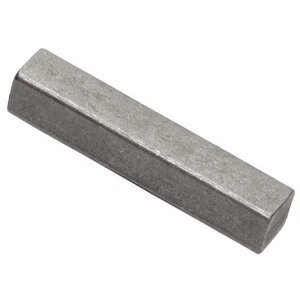
Key stock is a small but essential part of power transmission systems. It’s cut and machined into machine keys (or shaft keys), which fit between a shaft and a rotating component. This setup ensures the two parts turn together without slipping.
In demanding environments, the key also serves as a safety feature, engineered to fail first under excessive load to protect more expensive components like shafts or gears.
Key Material Properties
Selecting the right key stock material depends on your operating environment and torque requirements.
Key Stock Dimensions and Standards
Each key stock is defined by its width, height, and length, all of which must align with ANSI B17.1 keyway standards for proper fit and interchangeability.
Common key types include:
Square Keys—Equal width and height for general applications.
Rectangular Keys—Lower profile for limited-clearance setups.
Woodruff Keys—Semi-circular and self-aligning, ideal for tapered shafts.
Consulting an ANSI keyway standards chart helps match shaft and hub tolerances, ensuring a secure, consistent connection.
Press Fit Tolerancing and Fit Types
Fit precision is critical in power transmission. Press fit tolerancing defines how tightly or loosely a key fits between the shaft and hub.
How to Select Keyway Stock
When choosing keyway stock, consider a few practical factors that make a big difference in daily operations.
Environment: Will the machinery face humidity, chemicals, or outdoor exposure?
Torque Load: Higher loads call for harder metals like carbon or alloy steel.
Maintenance Needs: Softer materials simplify replacement and reduce shaft damage.
Standardization: Stick with ANSI or ISO keyway dimensions to simplify sourcing and future replacements.
By aligning material, fit, and dimension standards, you’ll ensure that each key performs reliably under pressure.
Final Thoughts
Key stock may be small, but it plays a vital role in keeping industrial systems operating efficiently. By understanding material properties and fit tolerances, you can choose keyway stock that keeps your equipment dependable and easy to maintain. At Zoro, we make it simple to source high-quality key stock and related power transmission components so you can keep your business moving, one connection at a time.
Product Compliance and Suitability
The statements contained in this guide are intended for general informational purposes only. Such statements do not constitute a product recommendation or representation as to the appropriateness, accuracy, completeness, correctness, or currentness of the information provided. Information provided in this guide does not replace the use by you of any manufacturer instructions, technical product manual, or other professional resource or adviser available to you. Always read, understand, and follow all manufacturer instructions. Portions of this article were generated in part by ChatGPT, and edited by a member of the Zoro team.
