


Lead Paint Safety Field Guide for Renovation Contractors: What to Know
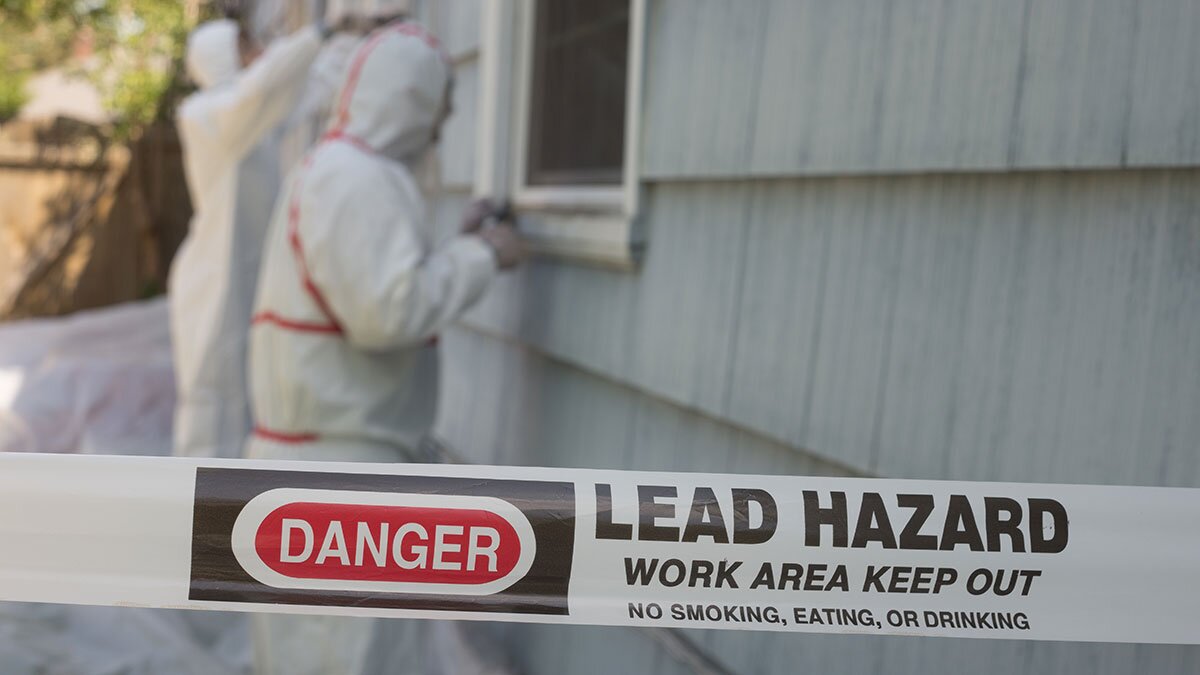
Table of Contents
If you run a small renovation business working on properties built before 1978, lead paint safety is essential for your crew, your clients, and your compliance record. Whether you're repairing or painting interior or exterior surfaces, this guide covers how to check for lead, follow lead safety procedures for renovation, repair, and painting, and meet OSHA and EPA requirements.
What the EPA Requires Under the RRP Rule
Under the EPA’s Renovation, Repair, and Painting (RRP) Rule, any paid work that disturbs lead-based paint in pre‑1978 homes, child-occupied facilities, or schools must be performed by EPA-certified firms using certified renovators. Activities include painting, window replacement, weatherization, and demolition.
Before work begins, contractors must provide clients or building occupants with the EPA’s Renovate Right brochure, explaining lead hazards and safety steps. After work finishes, perform EPA’s cleaning verification protocol to confirm surfaces are safe. Wipe the floors and other work area surfaces with disposable cleaning cloths, then compare the used cloths to an EPA-issued cleaning verification card to confirm whether the area has been properly cleaned.
EPA Certification & Training Requirements
- Firm Certification: Your business must register with the EPA (or your state program), pay a fee, and become certified to offer RRP services legally.
- Certified Renovator: At least one certified renovator must direct each job. These professionals receive specialized training and must maintain certification (3 or 5 years, depending on delivery method).
- Employee Training: Other workers must be trained on lead-safe work practices by the certified renovator or via an approved training provider.
How to Check for Lead Paint
Always confirm whether lead paint exists before disturbing surfaces.
- Use an EPA-recognized lead paint test kit onsite for a fast preliminary check (note: some commercial kits may not meet EPA protocols).
- For definite answers, hire a certified inspector using XRF or lab analysis, especially in high-risk settings or child-occupied facilities.
- Document all findings (even negative results)—the EPA expects recordkeeping for 3 years.
Lead Paint Safety Precautions: EPA & OSHA Aligned
Implement these lead paint safety precautions that satisfy both EPA RRP and OSHA 1910.1025 requirements.
- Contain the workspace using plastic sheeting and post “Lead Work Area—Danger” signs where exposure risk is significant.
- Use HEPA-filtered tools and vacuums; avoid dry sanding, scraping, or heat above 1,100°F.
- Wear PPE—disposable coveralls, gloves, NIOSH-rated respirators.
- Provide hygiene stations (handwashing/changing areas) and enforce decontamination routines if airborne lead exceeds OSHA’s action level of 30 µg/m³
OSHA Compliance: Monitoring, Medical Surveillance, and Training
Under OSHA 1910.1025, if workers may exceed the action level (30 µg/m³) or PEL (50 µg/m³), the following measures should be implemented.
- Conduct air monitoring, then retest every 6 months (or quarterly if exposures exceed PEL).
- Provide medical surveillance (including blood lead level testing) and the right to medical removal if levels are high.
- Give training on hazard recognition, respirator use, exposure control methods, and medical removal protections initially and annually.
- Keep exposure and medical records for at least 3 years and make them available on request.
Removal Protocol / Final Cleanup
Use EPA-approved lead-safe work practices.
- Contain the area thoroughly and establish negative airflow if possible.
- Use wet methods or chemical strippers to minimize dust.
- Do not use dry abrasion or heat guns above 1,100°F.
- Clean using HEPA vacuums and wipe-downs with disposable cloths—then apply EPA’s cleaning verification protocols before backfilling or repainting.
- Dispose of lead-contaminated debris according to local and federal guidelines.
Why This Matters to Your Small Business
As a small business owner, running lead-safe renovations ensures compliance and adds to your business's credibility. By meeting EPA RRP and OSHA standards, you protect your team with safer jobsites, earn clients’ trust, and reduce legal risks. Consistent, well-documented lead paint safety practices also position your business as responsible and reliable—exactly the kind of partner savvy clients look for.
FAQs
How do I know if I’m covered by the EPA RRP Rule?
If you're paid to work with painted surfaces in buildings built before 1978, including homes, apartments, or child-occupied facilities, you're covered and must be EPA-certified.
What constitutes a certified renovator?
A certified renovator is someone trained under EPA-approved programs, designated to supervise RRP work and ensure lead-safe compliance.
What happens if airborne lead is high on site?
If exposure meets or exceeds OSHA’s action level or PEL, implement monitoring, medical testing, training, and possibly removal protections per OSHA’s lead standard.
Product Compliance and Suitability
The statements contained in this guide are intended for general informational purposes only. Such statements do not constitute a product recommendation or representation as to the appropriateness, accuracy, completeness, correctness, or currentness of the information provided. Information provided in this guide does not replace the use by you of any manufacturer instructions, technical product manual, or other professional resource or adviser available to you. Always read, understand, and follow all manufacturer instructions. Portions of this article were generated in part by ChatGPT, and edited by a member of the Zoro team.
