


Loading Ramps for Pickup Trucks: A Buyer’s Guide for Small Business Owners
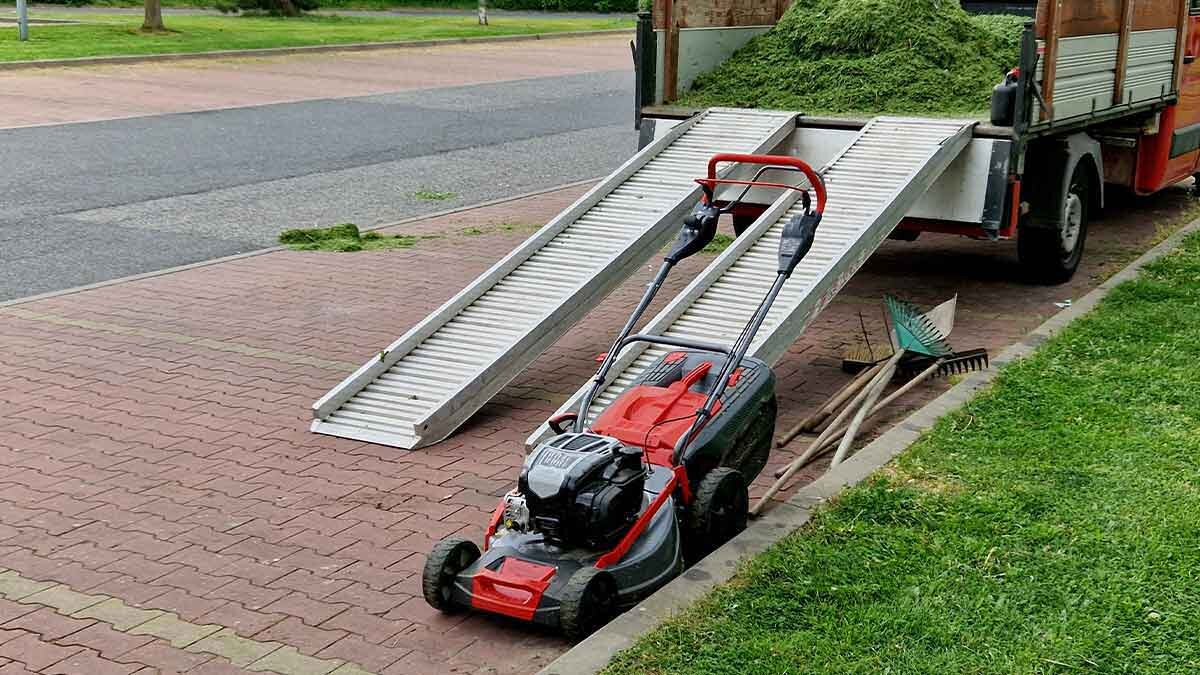
Why Loading Ramps Matter for Business Operations
If your work involves moving equipment from one site to another, ramps can help streamline your workflow, reduce manual labor, and improve safety. From property maintenance crews to construction pros, loading ramps are a must-have for getting machines in and out of trucks with less risk and effort.
Types of Loading Ramps for Pickup Trucks
Each type of ramp is designed for specific jobs. Below is a breakdown to help you choose based on equipment type.
Riding Mower Loading Ramps
Designed with wide platforms and higher weight ratings, these ramps often include arched profiles and anti-slip surfaces for mower decks. They are ideal for landscaping or groundskeeping operations.
Heavy-Duty Loading Ramps
Made from steel or reinforced aluminum, these are built to handle compressors, generators, and other jobsite machinery. They’re heavier but ideal for repeated commercial use.

Portable Loading Ramps
These ramps focus on mobility and convenience. Foldable or telescoping ramps are great for on-the-go service techs or delivery crews who need compact, easy-to-store solutions.

Truck Ramp Considerations Before Buying
Before you select a ramp, keep these core buying factors in mind.
| Feature | Why It Matters |
| Ramp Length | Longer ramps reduce steep angles, improving safety |
| Weight Capacity | Match to the equipment weight + operator |
| Traction Surface | Prevents slipping in wet or muddy conditions |
| Ramp Width | Must match tire width or equipment base |
| Storage Style | Foldable ramps save space in fleet vehicles |
| Attachment Method | Look for safety straps, hooks, or tailgate lips |
Pro Tip: A longer ramp offers a gentler slope and safer loading, especially for riding mowers or motorcycles.
How to Safely Use Loading Ramps for Trucks
Using loading ramps for trucks safely protects both your crew and your cargo. Here are safety best practices every small business should follow.
- Secure the Ramp
Use tie-downs, safety straps, or built-in hooks to anchor the ramp to your tailgate.
- Check the Ground
Only use ramps on level, firm surfaces to avoid shifting or collapsing.
- Center the Load
Align wheels evenly across the ramp to prevent tipping.
- Inspect Before Use
Look for dents, rust, or missing hardware.
- Stay Within Weight Limits
Never exceed the ramp’s stated weight capacity.
Maintenance Tips to Extend Ramp Life
Proper care ensures your ramps last across jobs and seasons.
- Rinse off dirt, grass, or salt after use.
- Store in a dry, enclosed area or secure truck bed box.
- Lubricate folding hinges or telescoping joints.
- Replace worn-out straps or attachments regularly.
FAQs
What are the best ramps for loading riding mowers into trucks?
Wide, arched ramps with high traction and 1,500–2,000 lb. weight capacity are ideal.
Can I use ATV ramps for motorcycles?
Some ATV ramps may work, but motorcycle-specific ramps offer better balance and grip for safe solo loading.
What makes a ramp heavy-duty?
Heavy-duty loading ramps are built with reinforced materials and rated for commercial equipment weight capacities (2,000+ lbs).
Are portable loading ramps safe for daily use?
Yes. If rated for the correct weight and secured properly, lightweight and portable loading ramps are safe for regular use.
Final Thoughts for Business Buyers
If you’re managing a crew, running solo service routes, or outfitting a jobsite vehicle, your loading ramp isn’t just another tool; it’s part of your daily safety routine. Take time to match the ramp to the job and vehicle setup, and you’ll save wear and tear on your gear (and your team).
Product Compliance and Suitability
The statements contained in this guide are intended for general informational purposes only. Such statements do not constitute a product recommendation or representation as to the appropriateness, accuracy, completeness, correctness, or currentness of the information provided. Information provided in this guide does not replace the use by you of any manufacturer instructions, technical product manual, or other professional resource or adviser available to you. Always read, understand, and follow all manufacturer instructions. Portions of this article were generated in part by ChatGPT, and edited by a member of the Zoro team.
