Machine Coolant Dermatitis: Causes, Symptoms, and Prevention Tips
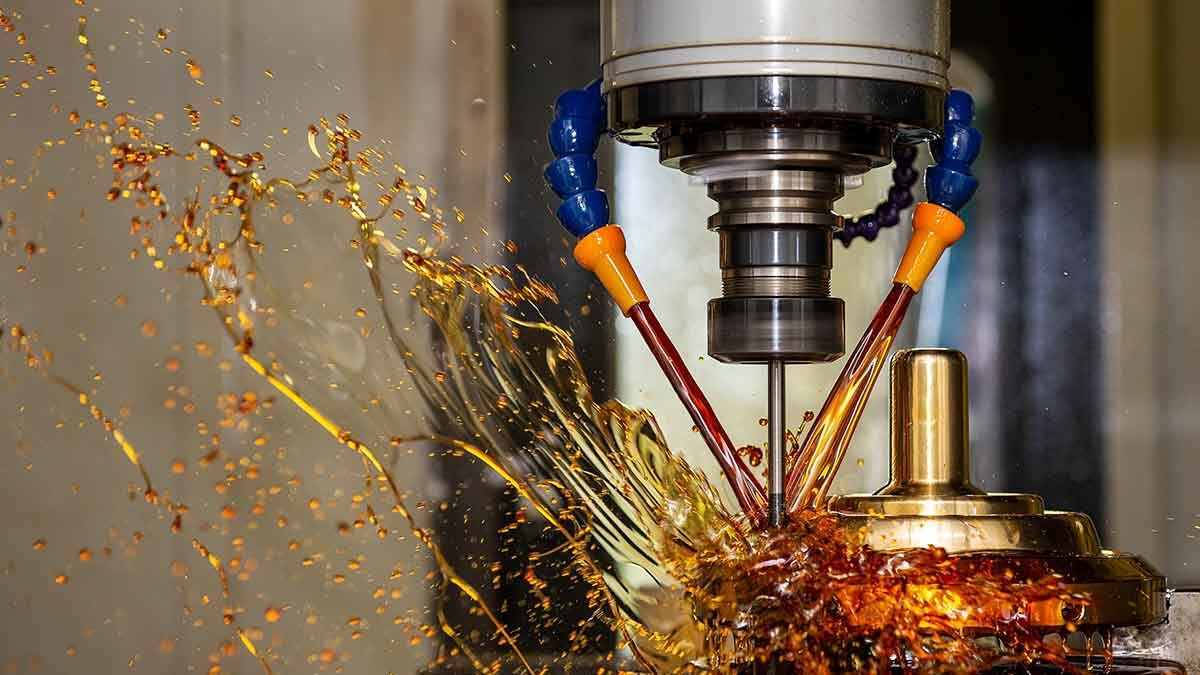
If you're a small business owner running a machine shop, you've likely seen your operators deal with red, itchy, irritated skin after a long shift. That’s often machine coolant dermatitis, a common and preventable condition that affects machine operators who are exposed to metalworking fluids and coolants throughout the day. This guide walks you through what causes coolant rash, how to spot it early, and how to treat coolant rash in a way that protects your team and keeps your shop running efficiently.
Quick Summary
Machine coolant dermatitis is a form of skin irritation caused by prolonged exposure to coolants, hydraulic fluids, or lubricants in machine shops. It includes symptoms like itching, redness, and dryness. The condition can be triggered by poor fluid maintenance, allergic reactions, and physical factors like friction. Preventative steps include PPE use, regular coolant checks, and early symptom recognition.
What Is Machine Coolant Dermatitis?
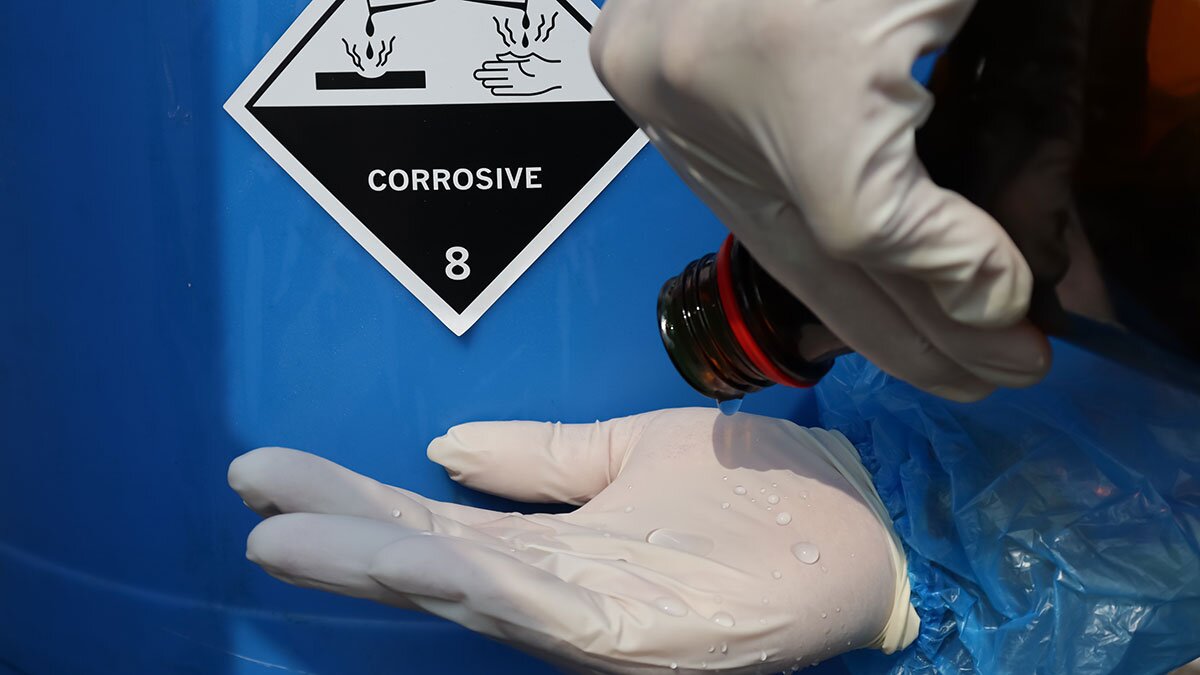
Machine coolant dermatitis is a type of contact dermatitis caused by routine exposure to cutting fluids and coolants used in machining operations. It can show up as:
- Itchy or red patches on hands, wrists, and forearms
- Burning or stinging sensations
- Dry, cracked skin
- Blisters or rashes after contact with fluids
These reactions typically fall into two main categories:
- Irritant contact dermatitis: Happens when the skin barrier is weakened by daily exposure to chemicals or abrasive conditions.
- Allergic contact dermatitis: A delayed immune reaction to ingredients in coolant or lubricant formulas.
Both are common in machine shop environments, and both are manageable with the right approach. Recognizing symptoms early is key to reducing downtime and avoiding more serious cases.
What Causes Coolant Rash?
To protect your crew, it helps to understand the most common causes of coolant rash, a term often used to describe the red, irritated skin that can develop from prolonged contact with metalworking fluids.
Improper Fluid Management
When coolant is left unchecked, it can degrade over time. This leads to bacterial growth, pH imbalance, and increased skin irritation. Improper fluid management is one of the leading workplace causes of coolant dermatitis.
Physical Factors in the Work Environment
Tight gloves, friction from tools, and exposure to hot or sharp surfaces can damage skin. Add antifreeze on skin or splashes from dirty coolant, and irritation is amplified.
Hydraulic Fluid Skin Irritation
Even if employees don’t work directly with coolant, hydraulic fluid residue on surfaces or equipment can cause skin irritation or dermatitis, especially if protective gloves or barrier creams aren’t used.
How to Treat Coolant Rash in Machine Operators
If you’re wondering how to treat coolant rash effectively, here’s a straightforward plan you can use in your shop.
1. Remove Exposure Immediately
Encourage workers to wash affected areas with mild soap and lukewarm water as soon as irritation appears.
2. Apply Protective Creams and Moisturizers
Use fragrance-free creams designed for industrial environments to help rebuild the skin barrier.
3. Provide the Right PPE
Make sure gloves and sleeves are the right size and material for your operations. Lightweight, breathable options help ensure they actually get worn.
4. Schedule Regular Coolant Maintenance
Keep fluids clean and balanced. Use testing kits or service partners to ensure coolant isn’t breaking down or turning toxic.
5. Train Your Team on Skin Safety
Make dermatitis prevention part of your regular safety meetings. Show your crew how to spot symptoms and respond quickly.
CNC Coolant Rash Prevention: What Small Shops Should Know
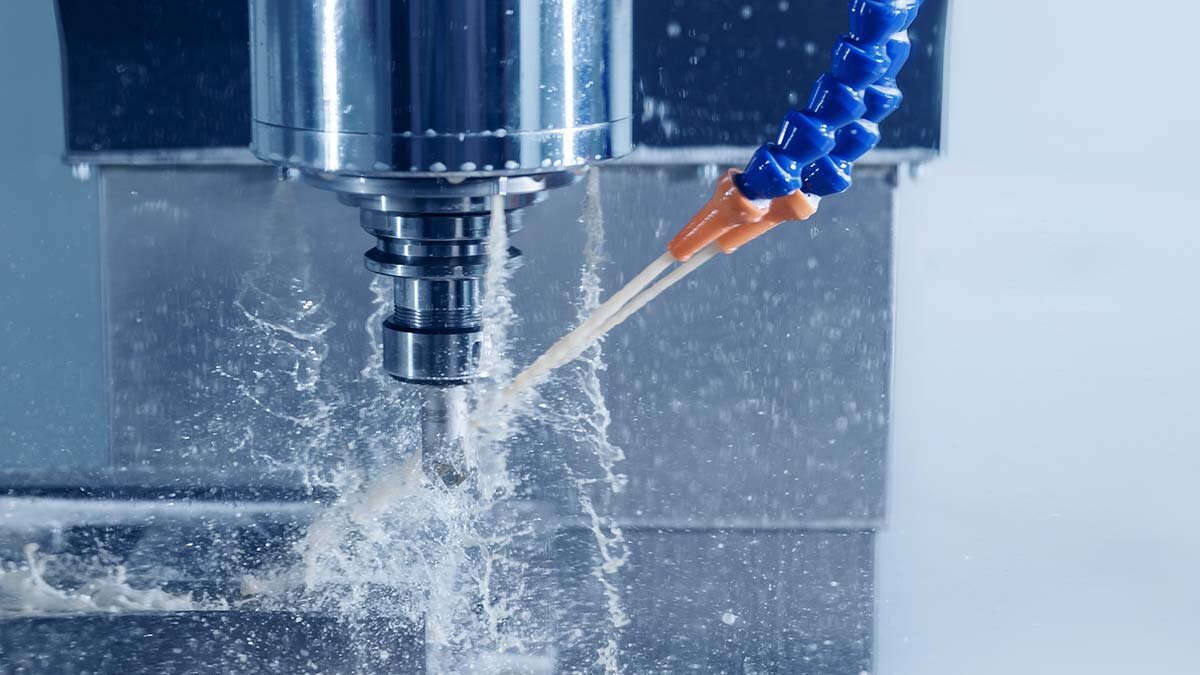
If your team operates CNC machinery, exposure to coolants can increase, especially in enclosed or automated environments. For CNC coolant rash prevention, consider:
- Using low-irritant coolants with fewer additives
- Automating coolant delivery to reduce manual contact
- Installing mist collectors to minimize airborne particles
- Ventilating enclosed systems to prevent buildup
Final Takeaway
As a small business owner, you’re responsible for the health and safety of the people who keep your shop running. Addressing machine coolant dermatitis isn’t just about avoiding rash; it's about protecting your workforce and maintaining productivity. By improving fluid management, reinforcing PPE use, and responding quickly to symptoms, you can reduce coolant rash and other skin problems that cost time and impact morale. When your team is protected, they work better—and your business runs smoother.
Product Compliance and Suitability
The statements contained in this guide are intended for general informational purposes only. Such statements do not constitute a product recommendation or representation as to the appropriateness, accuracy, completeness, correctness, or currentness of the information provided. Information provided in this guide does not replace the use by you of any manufacturer instructions, technical product manual, or other professional resource or adviser available to you. Always read, understand, and follow all manufacturer instructions. Portions of this article were generated in part by ChatGPT, and edited by a member of the Zoro team.