
Normally Open vs Normally Closed Solenoid Valves
Normally Open vs. Closed: Find the right fail-safe for your valve system.
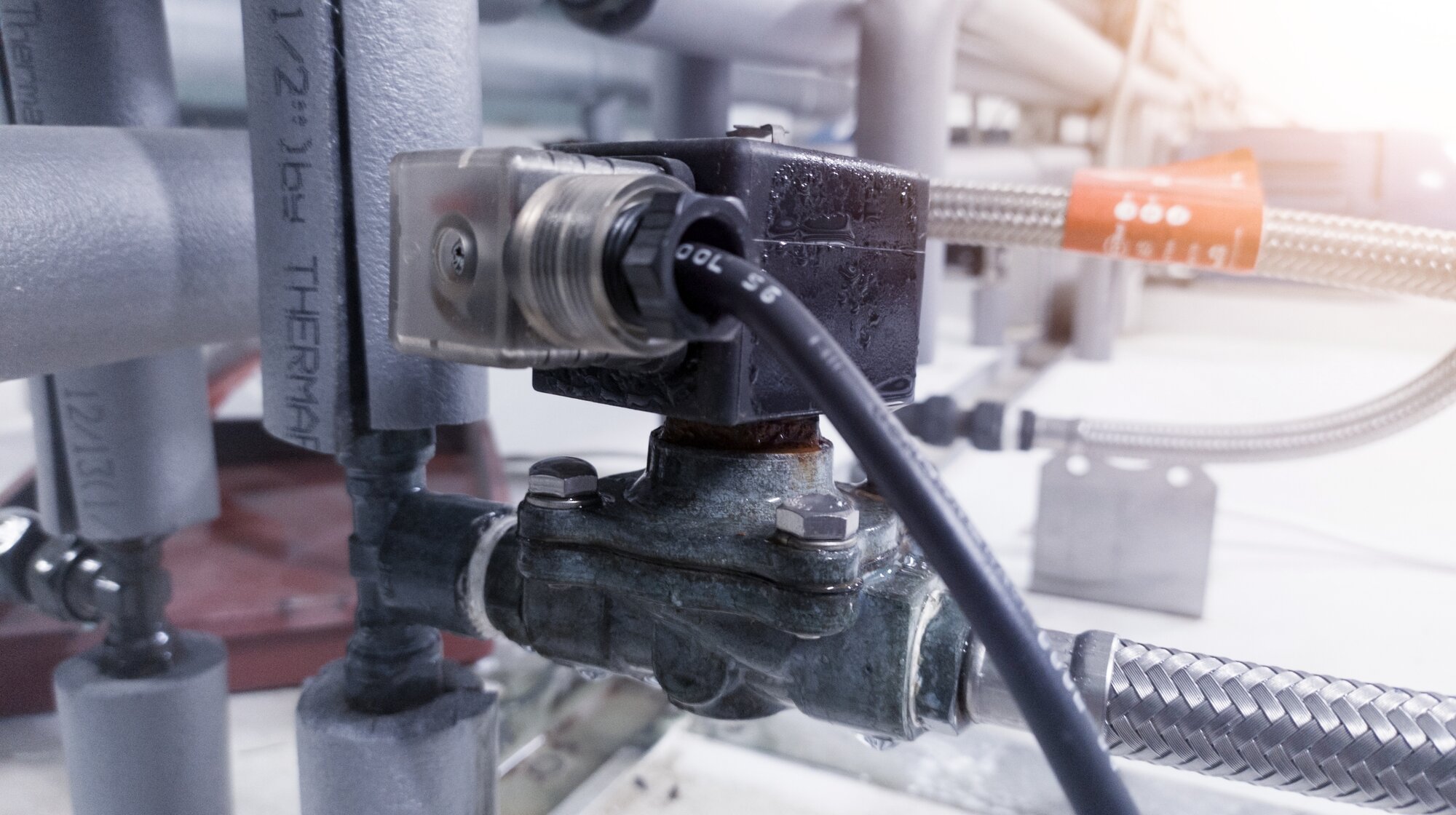
Normally Open vs Normally Closed Solenoid Valves
In the world of fluid power and process control, the solenoid valve is a humble hero. Whether it’s managing the flow of water in a commercial irrigation system or controlling high-pressure air on a factory floor, these electromechanical devices are the gatekeepers of industry.
However, when browsing a catalog like Zoro’s, you’re immediately faced with a critical fork in the road: Normally Open (NO) or Normally Closed (NC)? Choosing the wrong one isn't just a minor inconvenience; it can lead to wasted energy, system failure, or even safety hazards.
This guide breaks down the differences, the mechanics, and—most importantly—how to choose the right one for your specific application.
Defining the "Normal" State
In engineering terms, "Normal" refers to the state of the valve when it is de-energized. In other words, if you take the valve out of the box and set it on a table, or if the power to your facility suddenly cuts out, what is the valve doing?
1. Normally Closed (NC) Solenoid Valves
The Normally Closed valve is the most common type used in industry.
- The Default State: The valve remains shut, preventing flow.
- When Energized: The magnetic field created by the coil lifts the plunger, opening the orifice and allowing the media (liquid or gas) to pass through.
- Best For: Applications where flow should only occur when a command is given, such as a fuel line or a chemical dispenser.
2. Normally Open (NO) Solenoid Valves
The Normally Open valve is the functional opposite.
- The Default State: The valve remains open, allowing constant flow.
- When Energized: The magnetic field pushes the plunger down to seal the orifice, stopping the flow.
Best For: Applications that require constant flow for safety or cooling, where stopping the flow is an "event."
The Mechanics of the "Fail-Safe"
The primary reason to choose one over the other often comes down to safety and fail-safe requirements. You must ask yourself: If the power fails, do I want the flow to stop or continue?
- Safety Shutdowns: If you are controlling a flammable gas, you almost certainly want a Normally Closed valve. If the power goes out, the valve snaps shut, preventing a potential leak or explosion.
Emergency Cooling: If a valve is controlling coolant for a high-heat reactor, you might choose a Normally Open valve. If the facility loses power, the valve stays open, ensuring the machine continues to receive cooling to prevent a meltdown.
Energy Efficiency: The Hidden Cost
One of the most overlooked aspects of choosing between NO and NC is the Duty Cycle. A solenoid valve consumes electricity the entire time it is in its "non-normal" state.
Imagine a water fill system that only needs to run for 10 minutes every hour.
- If you use a Normally Closed valve, it consumes power for 10 minutes (to stay open) and stays "off" for 50 minutes.
- If you use a Normally Open valve, it consumes power for 50 minutes (to stay closed) and stays "off" for 10 minutes.
In this scenario, the NC valve is the clear winner for energy efficiency and longevity. Keeping a coil energized for long periods generates heat, which can eventually degrade the coil’s insulation and lead to premature failure. Rule of thumb: Choose the valve that matches the state the system will be in most of the time.
Comparison at a Glance
| Feature | Normally Closed (NC) | Normally Open (NO) |
| Power Off State | Valve is Closed (No Flow) | Valve is Open (Flow) |
| Power On State | Valve is Open (Flow) | Valve is Closed (No Flow) |
| Common Use Case | Fuel lines, pressure washers | Emergency cooling, air venting |
| Fail-Safe Logic | Stops flow on power loss | Continues flow on power loss |
Making the Decision: Key Questions
To ensure you’re selecting the right component from the resource hub, walk through these three questions:
- What is the "Resting" State? Does my system spend 90% of its day with the fluid running or stopped? Select the valve that doesn't require power during that 90%.
- What Happens During a Power Outage? Is it more dangerous for the flow to continue or for it to stop? (e.g., A fire suppression system should likely be NO, while a toxic chemical line must be NC).
- What is the Media? While the NO/NC logic stays the same, ensure your seal material (NBR, Viton, etc.) is compatible with the fluid, as "Normally Open" valves often have different internal configurations that may affect sediment buildup.
The choice between Normally Open and Normally Closed is more than just a technicality, it is a decision that impacts the safety, efficiency, and lifespan of your equipment. By understanding your system's "resting state" and the implications of a power failure, you can confidently select a valve that keeps your operation running smoothly.
Product Compliance and Suitability
The statements contained in this guide are intended for general informational purposes only. Such statements do not constitute a product recommendation or representation as to the appropriateness, accuracy, completeness, correctness, or currentness of the information provided. Information provided in this guide does not replace the use by you of any manufacturer instructions, technical product manual, or other professional resource or adviser available to you. Always read, understand, and follow all manufacturer instructions. Portions of this article were generated in part by ChatGPT.
