


OSHA Spill Kit Requirements and Hazmat Training Guide for Small Businesses
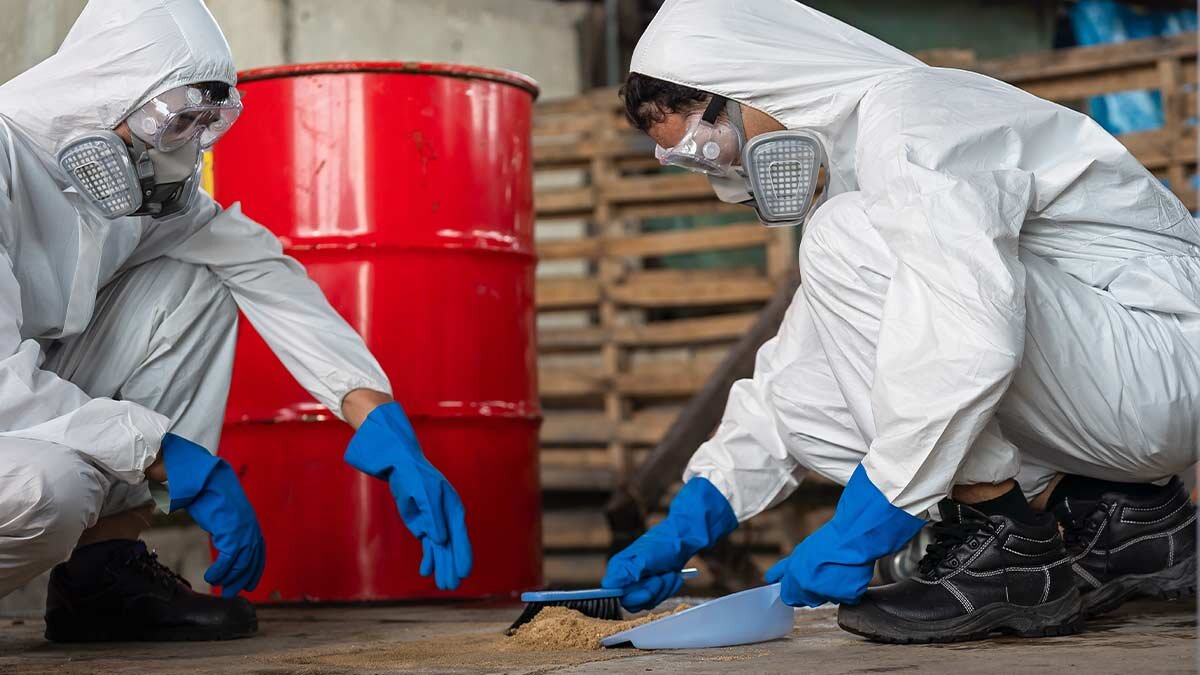
If a chemical spill happens at work, are you ready? If your business handles hazardous materials, OSHA requires you to be prepared. That means having spill kits stocked with the right supplies, and training your employees to respond quickly and safely. This guide explains the essentials of OSHA spill kit requirements, hazmat training, and the steps every small business can take to stay compliant and protect people, property, and operations.
Why OSHA’s Hazardous Material Training Matters
OSHA hazardous material training ensures your team can respond to chemical incidents safely and effectively. This isn’t a one-size-fits-all course. Training must be tailored to the specific substances and risks in your workplace.
Training Must Cover:
- Identifying hazardous substances in your facility
- Risk assessments before cleanup begins
- Safe containment procedures for chemical spills
- Use of personal protective equipment (PPE)
- Decontamination and disposal protocols after an incident
These spill response training requirements fall under several OSHA standards, including CFR 1910.120, which governs hazardous waste operations and emergency response.
What’s in an OSHA-Compliant Spill Kit?
A compliant spill kit should be accessible wherever hazardous materials are stored or used. Typical contents include:
- Absorbent pads, socks, or pillows
- Disposal bags and ties
- Chemical-resistant gloves (nitrile, neoprene, or butyl rubber, depending on chemical type)
- Protective goggles or face shields
- Aprons or disposable coveralls
- Instructions for safe use and disposal
Choosing the right gloves is critical. OSHA notes that nitrile, neoprene, or butyl rubber gloves are commonly used, but the correct choice depends on the chemical hazard involved.
OSHA Spill Response Training: What Your Team Needs to Know
Spill response training ensures employees act quickly and safely during an emergency. Effective programs include:
- Hands-on practice with mock spill scenarios
- Clear communication roles and chain of command
- Emergency evacuation procedures
- Proper reporting to local and federal agencies
Training should be reinforced regularly and updated anytime workplace hazards change.
Quick Compliance Checklist for Small Businesses
Follow this five-step process to stay prepared.
- Assess Your Risks—Identify potential spill sources in your facility.
- Stock the Right Kits—Choose universal, oil-only, or chemical-specific kits based on materials you use.
- Train Your Team—Ensure employees complete OSHA-compliant spill response training.
- Inspect Monthly—Check kit contents and replace used or expired supplies.
- Document Everything—Keep records of training sessions and inspection logs.
Final Thoughts
You don’t need a large safety department to meet OSHA standards. With the right plan, properly stocked spill kits, and employees trained to respond, small businesses can stay safe, efficient, and compliant.
FAQs
What are OSHA’s spill kit requirements?
OSHA requires businesses to have a properly stocked spill kit accessible anywhere hazardous chemicals are used or stored. The kit must include appropriate PPE and cleanup materials.
Who needs OSHA spill response training?
Any employee who might respond to a hazardous chemical spill must receive training under 29 CFR 1910.120.
What’s included in a chemical spill kit?
Typical contents include absorbent materials, chemical-resistant gloves, eye and face protection, coveralls, and disposal bags.
Which gloves are appropriate for cleaning up chemical spills?
Nitrile, neoprene, or butyl rubber gloves are commonly used—the right choice depends on the chemical hazard involved.
How often should spill kits be checked?
At least monthly. Replace any expired or used materials immediately.
Product Compliance and Suitability
The statements contained in this guide are intended for general informational purposes only. Such statements do not constitute a product recommendation or representation as to the appropriateness, accuracy, completeness, correctness, or currentness of the information provided. Information provided in this guide does not replace the use by you of any manufacturer instructions, technical product manual, or other professional resource or adviser available to you. Always read, understand, and follow all manufacturer instructions. Portions of this article were generated in part by ChatGPT, and edited by a member of the Zoro team.
