


Paint Brushes & Rollers
What paint applicator works for your next project?
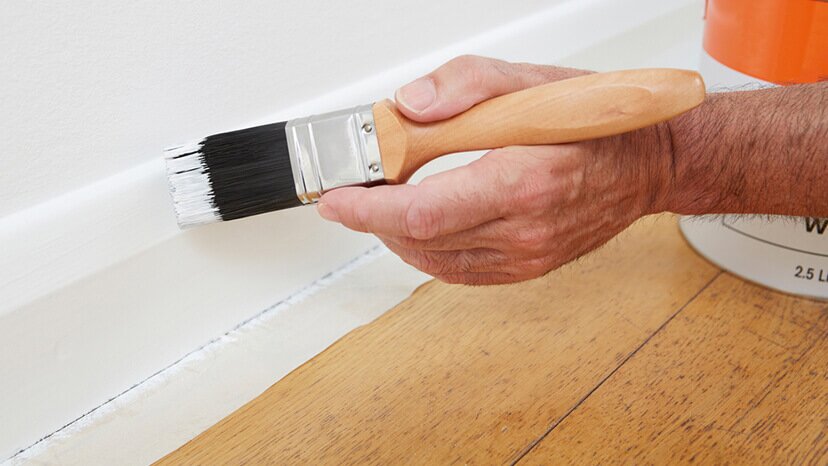
Paint Brush or Roller?
Paint brushes are for precise jobs or to get into hard-to-reach areas. Brush bristle does a better job to thoroughly coat uneven surfaces. Rollers are used to cover a larger surface area in less time.
Example: Painting a Fence
A sprayer or roller is the fastest way to paint something like a fence. However, you would probably miss crevices and cracks in the wood. Thin, pointed brush bristles would cover the fence and get into cracks and crevices, but it would also take much longer.
In an application like this, you might use both. Roll or spray first to cover the surface quickly. Then "back brush" to work the paint into the crevices and cracks.
Use a Brush For ...
- Precise, hard-to-reach areas
- Uneven surfaces
- “Back brushing” cracks and crevices
Use a Roller For ...
- Large surface areas
- Speed and efficiency
- Initial coats on big projects
Select Brush Size
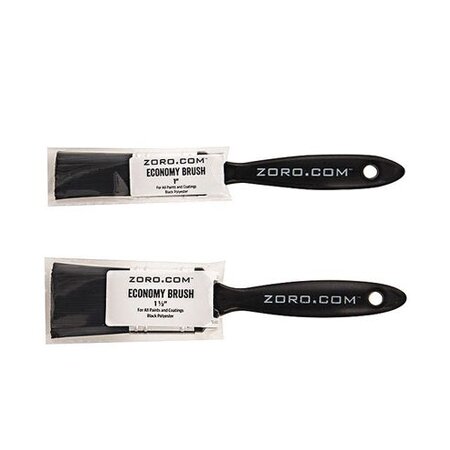
What brush size should you choose? Use this guide to determine the best brush for cutting-in, walls and ceilings, surfaces and projects.
3" to 4"
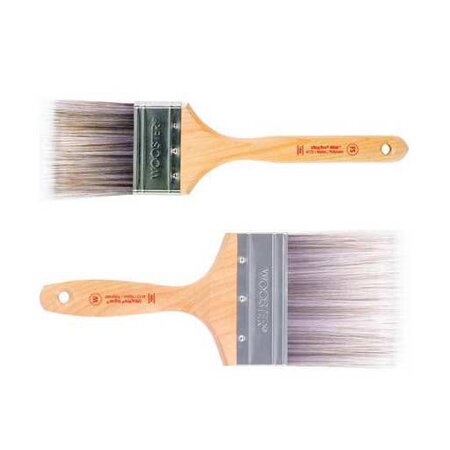 | 2” to 2 ½”
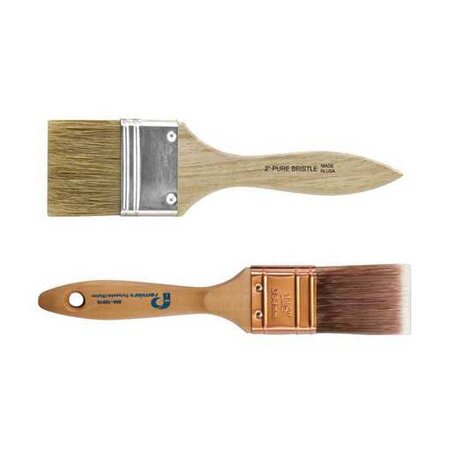 |
2" to 2 ½" Angle Slash
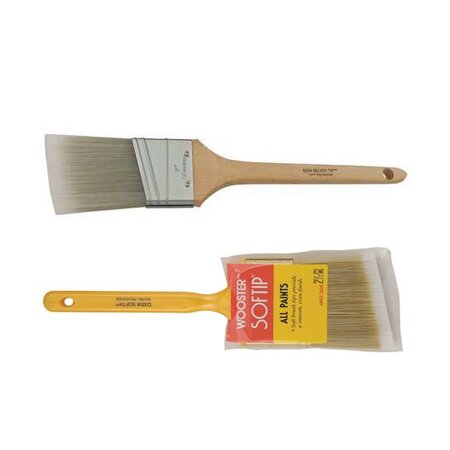 | 1” to 1 ½” Angle or Flat
 |
Pick Synthetic Filament or Natural Bristles?
Natural bristle is not recommended for use in latex or acrylic paints. It will absorb up to 40% of its own weight in water, causing it to flare or become too soft to paint effectively. Also, rough surfaces will break the tips off natural bristle so it will no longer provide a smooth, glass-like finish.
Nylon is five times more durable than bristle, so it’s best to choose a synthetic brush for painting rough surfaces — even when using oil-based paints.
Synthetic Paint Brushes
- Latex / Acrylic Paint
- Water-Based Wood Finishes
- Smooth or Rough Surfaces
Natural Bristles
- Oil-Based Paint
- Varnishes
- Polyurethanes
- Interiors and Smooth Finishing
Shop all synthetic bristle brushes
Synthetic Bristle Types
Synthetic brushes made with nylon, polyester, and other filaments can be used with all types of paint. They are especially good for water-based coatings (latex, acrylics, wood finishes).
Use for painting smooth or rough surfaces in any weather, even heat and humidity.
DuPont CHINEX Stiffness Durability
Uses / Finish Cleaning Ease 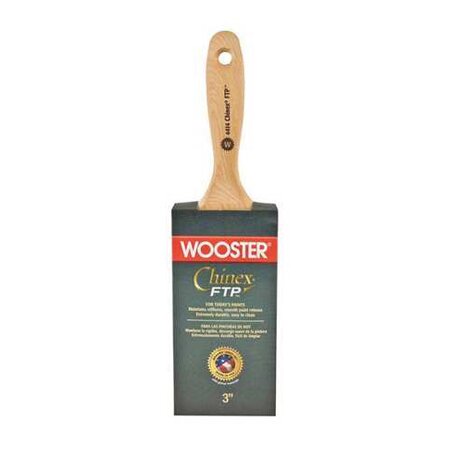 | NylonPlus Stiffness Durability
Uses / Finish Cleaning Ease 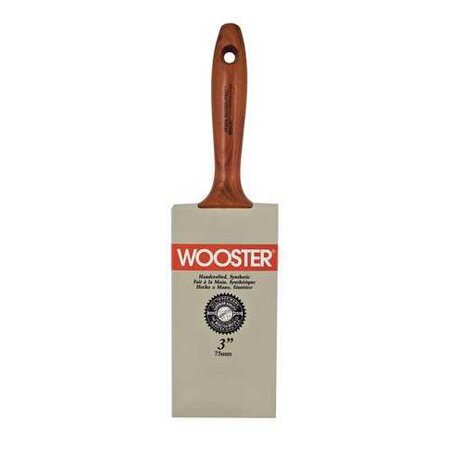 |
Polyester Stiffness Durability Uses / Finish Cleaning Ease
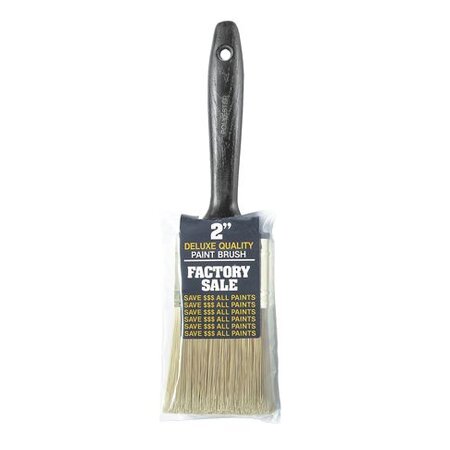 | CT Polyester Stiffness Durability Uses / Finish
Cleaning Ease 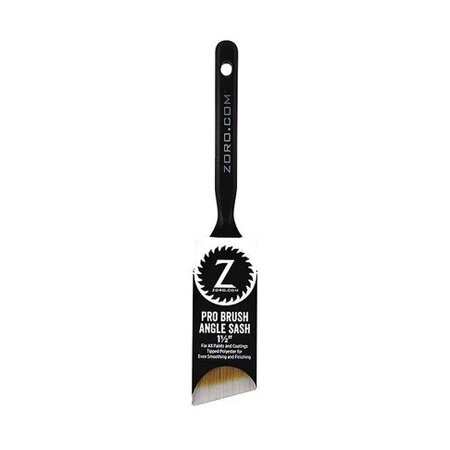 |
Nylon Stiffness Durability
Uses / Finish Cleaning Ease 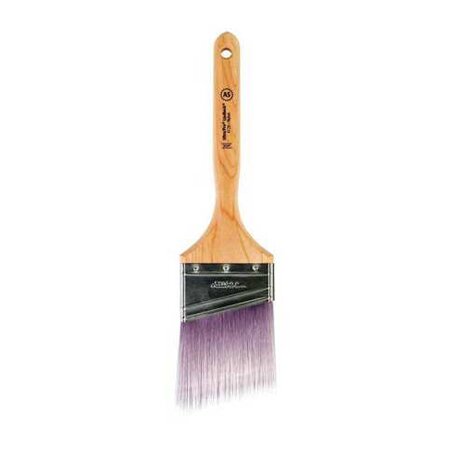 | Nylon / Polyester Stiffness Durability Uses / Finish
Cleaning Ease 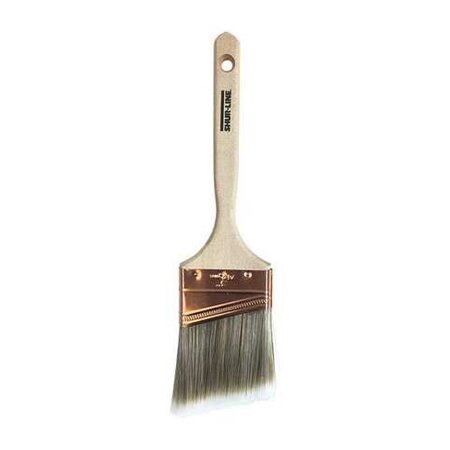
|
Foam Stiffness Durability Uses / Finish Cleaning Ease 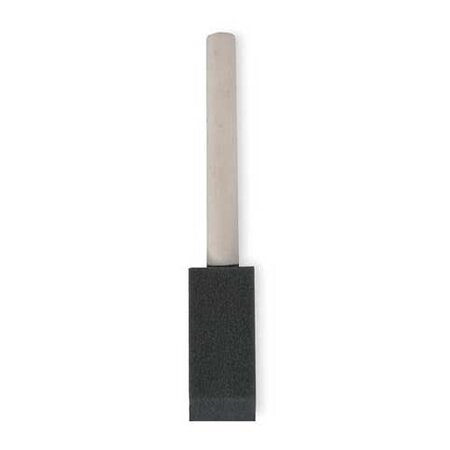 |
Natural and Natural-Synthetic Bristles
Natural bristle is the best choice for oil-based paints, varnishes, shellac, alkyd enamels, oil stains, and oil based polyurethanes. The highest quality comes from mainland China. It has the softest natural tipping and flexibility, providing the smoothest finish with virtually no brush marks.
Shop all natural bristle brushes
Shop all mixed filament brushes
Bristle / Nylon Characteristics Uses
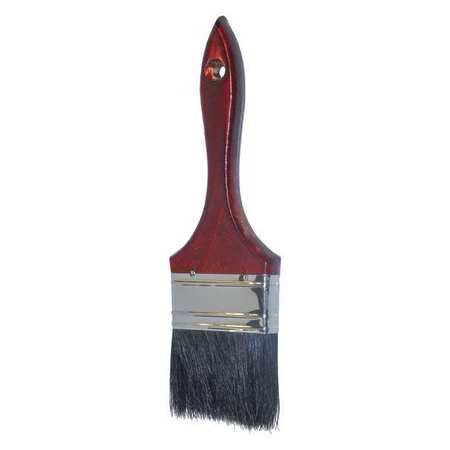 | Bristle / Polyester Characteristics Uses
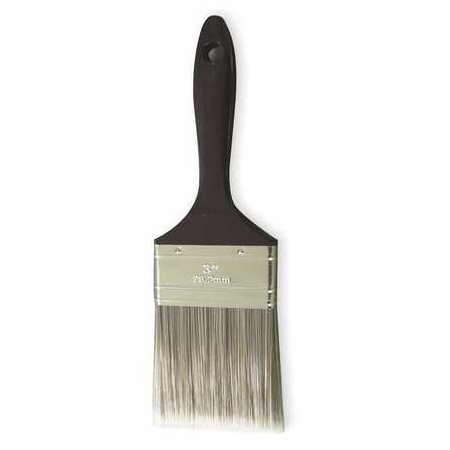 | Ox Hair Characteristics Uses
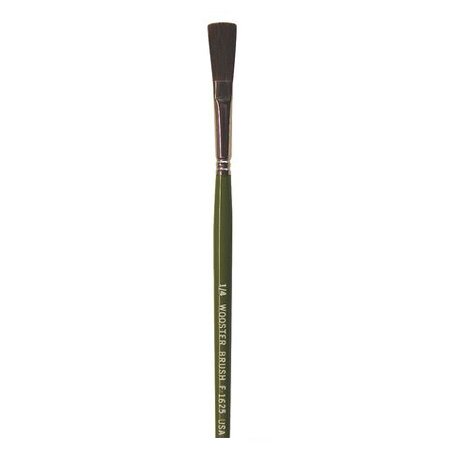 | China Hair Characteristics Uses
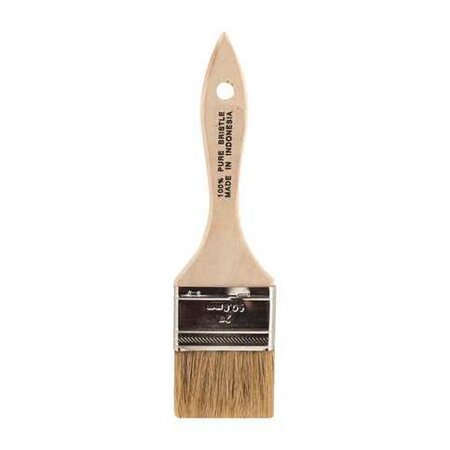 |
White Bristle Characteristics Uses
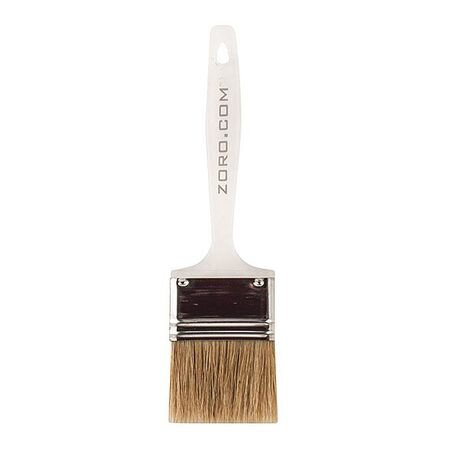 | Gray Bristle Characteristics Uses
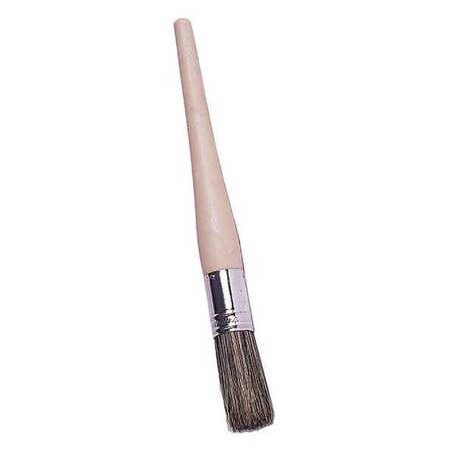 | Camel Hair Characteristics Uses
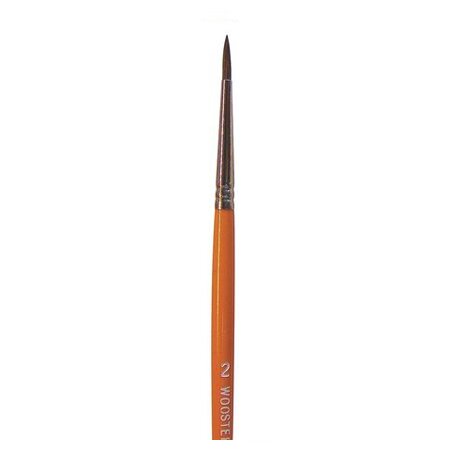 | Hog Hair Characteristics Uses
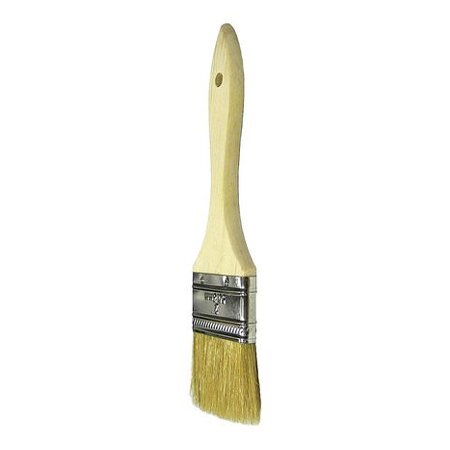 |
Are Expensive Paint Brushes Worth It?
High-quality, more expensive brushes are better for cutting in and smoother finish results. They don’t shed bristles as easily and last far longer than cheaper brushes.
If these factors matter to you, then it’s worth the extra cost.
Choose Bristle Blends
SoftCharacteristics Extra flex and smoothness Uses
Paints
 | FirmCharacteristics Stable touch with balanced flex; just-right taper Uses
Paints
 | Extra-FirmCharacteristics Durable; solid feel and superior stiffness; sharp edge Uses
Paints
 |
Paint Roller Nap Size & Materials
Nap Size
On roller covers, size refers to its thickness (also known as "nap"). Nap size depends on the types of surfaces you'll be painting. In general, the thicker the nap, the more paint it will hold and more area it will cover.
Materials: Knit or Woven?
The majority of paint rollers are made either by knitting or weaving. “Shed-resistant knit” fabrics combine the strengths of both, but a true woven cover will provide a finer finish. The backing and pile fibers are different in knit and woven fabrics.
Shop all paint rollers, covers & frames
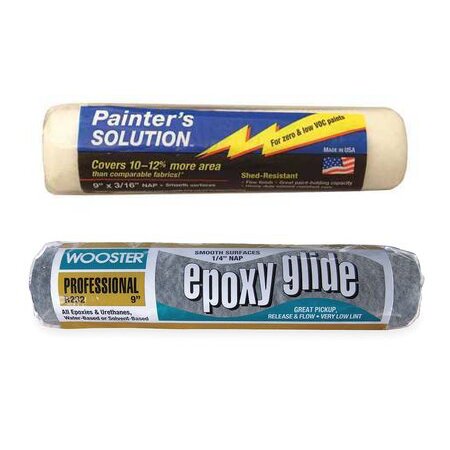 3/16" or ¼"
| 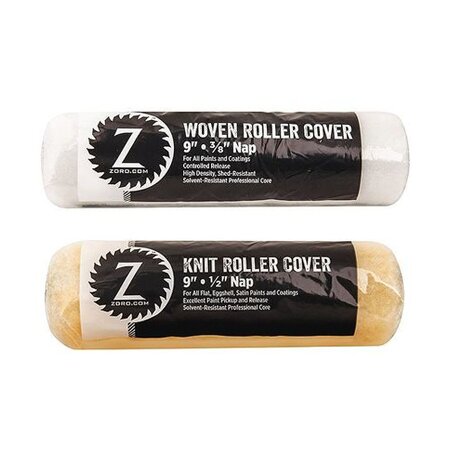 ⅜" or ½"
| 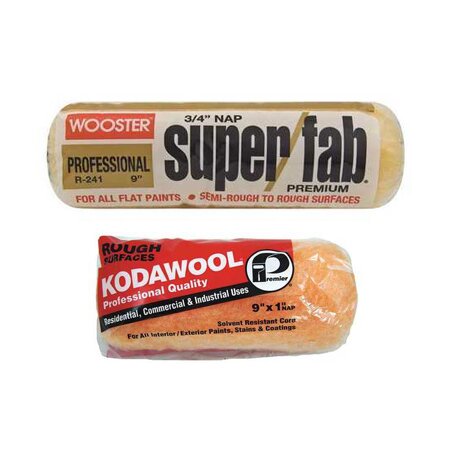 ¾" or 1"
| 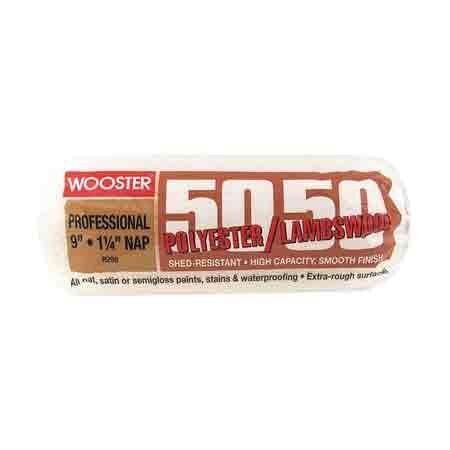 1¼" or 1½"
|
Paint Roller or Sprayer?
Sprayers are the fastest way to apply a coating. They require experience and technique to operate successfully. In some scenarios, sprayers can't be used become of fumes or overspray — a haze that remains hours after spraying.
Spray operators must wear respirators or masks to prevent inhaling the fumes. It is not recommended to spray in an area that cannot be closed off.
Rollers would be the next best option to get a large job done quickly. Rollers are also cheaper (frame, pole, covers) than sprayers (sprayer, gun, tips, hose, respirator).
Use a Sprayer For ...
- Large surface areas
- Areas that can be closed off
- Experienced users
Equipment Needed:
- Sprayer
- Gun
- Tips
- Hose
Use a Roller For ...
- Large surface areas
- Areas that can't be closed off
- Little experience needed
Equipment Needed:
- Frame
- Pole
- Covers
Product Compliance and Suitability
The product statements contained in this guide are intended for general informational purposes only. Such product statements do not constitute a product recommendation or representation as to the appropriateness, accuracy, completeness, correctness or currentness of the information provided. Information provided in this guide does not replace the use by you of any manufacturer instructions, technical product manual, or other professional resource or adviser available to you. Always read, understand and follow all manufacturer instructions.
