


PEX Tubing: Why You Should Be Using This Popular Alternative to Traditional Plumbing Solutions
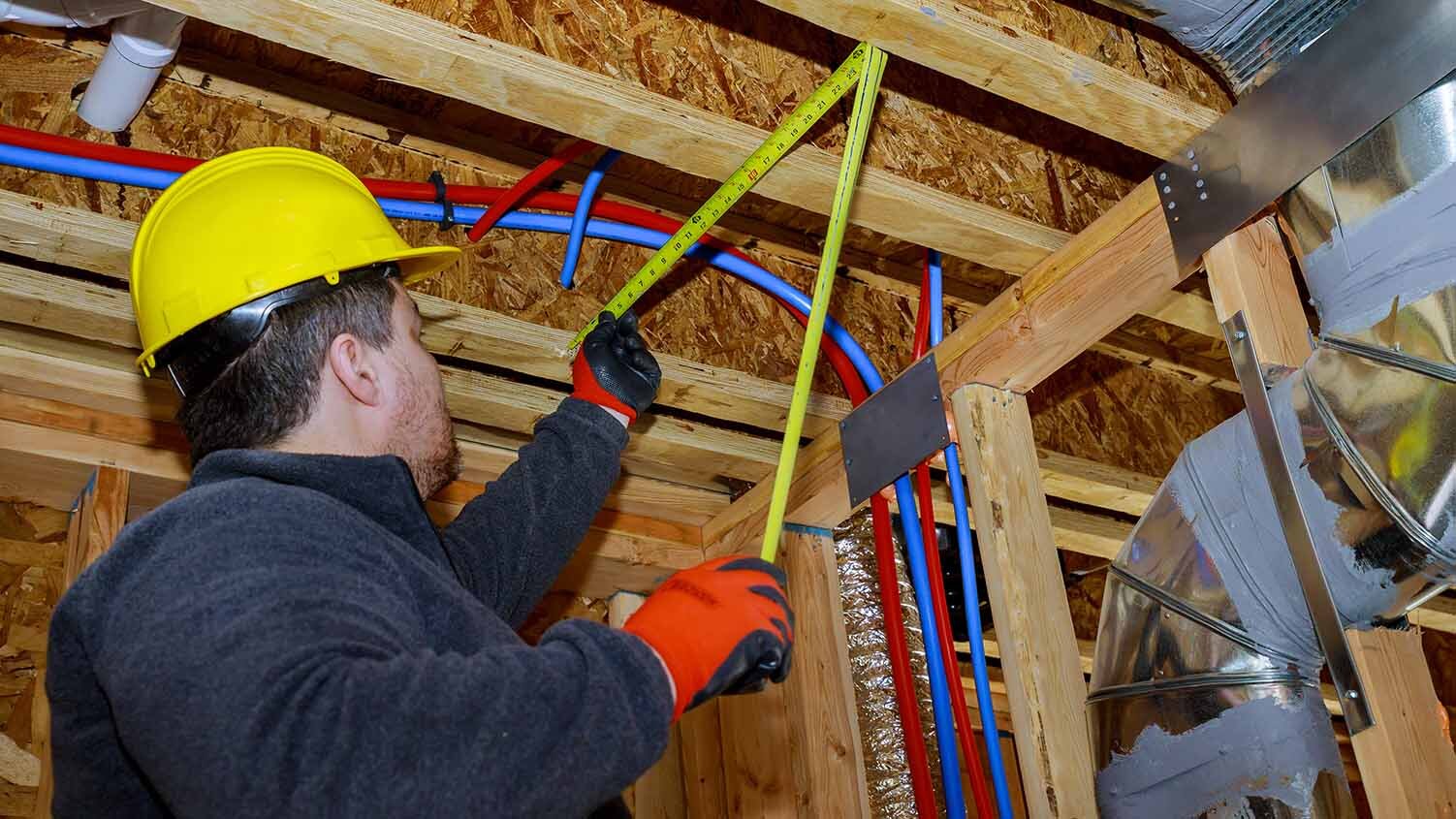
As an innovative and highly useful solution for plumbing installations, PEX tubing represents a new alternative and trend that pros should strongly consider using on the jobsite. Just as PVC once revolutionized home plumbing many decades ago, PEX has in recent years led to major shifts in the plumbing industry. In fact, according to Yahoo! Finance, the growing need for efficient heating and cooling systems has brought PEX tubing to the forefront of a growing heating and cooling systems market. In this guide, we'll explore what exactly PEX tubing is, how it can be used, what advantages it offers to professionals, and much more.
Table of Contents
- What Is PEX Tubing?
- Why Use PEX in Plumbing Installations?
- Ideal Applications for PEX Installations
- Limitations of PEX Tubing
1. What Is PEX Tubing?
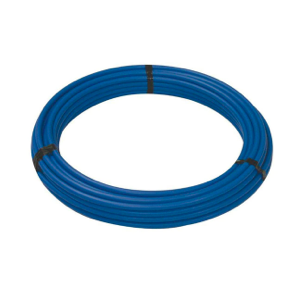
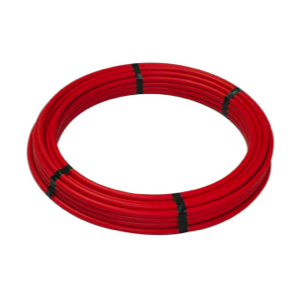
At its most basic level, PEX tubing is made of cross-linked polyethylene (PEX), a plastic material with unique properties that make it well-suited for certain applications. PEX is not a brand or manufacturer, but much like PVC, it's a type of tubing that is useful in specific situations. Compared to common alternatives like copper pipes, galvanized steel, and PVC, PEX is more flexible and easier to install. It offers higher resistance to heat, is better than PVC for use with drinking water systems, and is one of the longest-lasting options for water supply piping. PEX is available in a wide range of common sizes and comes in A, B, or C forms. The difference in forms is related to the PEX manufacturing method, with B being the most common type.
| PEX Products |
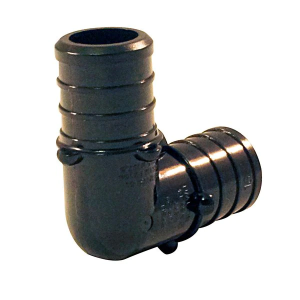
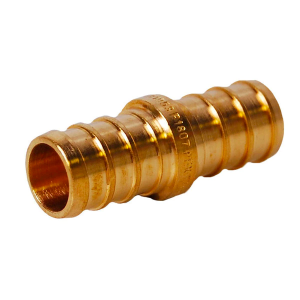
| PEX Tubing | PEX Tubing | PEX 90° Elbow | PEX Coupling |
 |
 |
 |
 |
2. Why Use PEX in Plumbing Installations?
Wondering why exactly PEX has become such a popular and trendy alternative to copper and other types of piping for professional plumbers? There are actually a few reasons which combine to explain the popularity of this modern material.
One of PEX's primary advantages is its rapid installation time, which can be as little as half the time required for common alternatives like copper and PVC. PEX is also significantly cheaper than copper plumbing and can cost about one-quarter of the price of a similar pipe. PEX is also extremely flexible compared to other options, allowing it to reach around obstacles more easily and reducing the installation time and costs associated with extra fittings and materials. Finally, PEX is a long-lasting, durable material that won't need to be replaced for many decades, and it's known for being able to withstand more thermal stress than other pipes, making it ideal for hot water applications.
| Types of Piping/Tubing Materials |
| PEX | PVC | Copper |
|
 |
 |
3. Ideal Applications for PEX Installations
Although PEX tubing has a wide range of possible applications, there are a few situations in which professional plumbers are most likely to rely on PEX. These are generally residential or commercial applications that involve potable water (drinking water) supply or heat transfer applications, such as water supply lines, floor cooling, snow melting, and radiators. PEX can also be used for residential fire and sprinkler systems. Keep in mind that PEX is not suitable for outdoor applications because it can be broken down by UV rays. PEX is generally accepted by all U.S. plumbing and building codes, but you'll still want to check your local plumbing requirements before moving forward with your first PEX installation.
4. Limitations of PEX Tubing
Despite its many advantages and uses, there are some limitations of PEX tubing that you'll want to consider as a plumber. First, PEX tubing can only be installed in approved locations where it can be protected from damage. For example, PEX should not make contact with extremely high temperatures, flames, UV light (as in outdoor applications), or high concentrations of chlorine—all of which can cause damage over time to the material. Also, PEX should not be used with certain mineral- and oil-based products or in contaminated soil, nor should it be installed near hazardous waste or petroleum storage tanks. See The Balance Small Business's guide to PEX plumbing for more information on potential limitations of PEX tubing.
Conclusion
PEX tubing is an innovative solution to many common piping challenges, as noted above. With significantly faster installation times, reduced costs, and greater flexibility, PEX tubing offers a number of advantages for use in water supply lines compared to alternatives like copper, galvanized steel, and PVC pipe. Looking to purchase PEX tubing for your next project? Shop our full assortment of PEX products to find everything you need to get the job done right.
Related articles
Product Compliance and Suitability
The product statements contained in this guide are intended for general informational purposes only. Such product statements do not constitute a product recommendation or representation as to the appropriateness, accuracy, completeness, correctness, or currentness of the information provided. Information provided in this guide does not replace the use by you of any manufacturer instructions, technical product manual, or other professional resource or adviser available to you. Always read, understand, and follow all manufacturer instructions.
