


Plumbing Crimping Tools: What Pros Need to Know Before the Connection
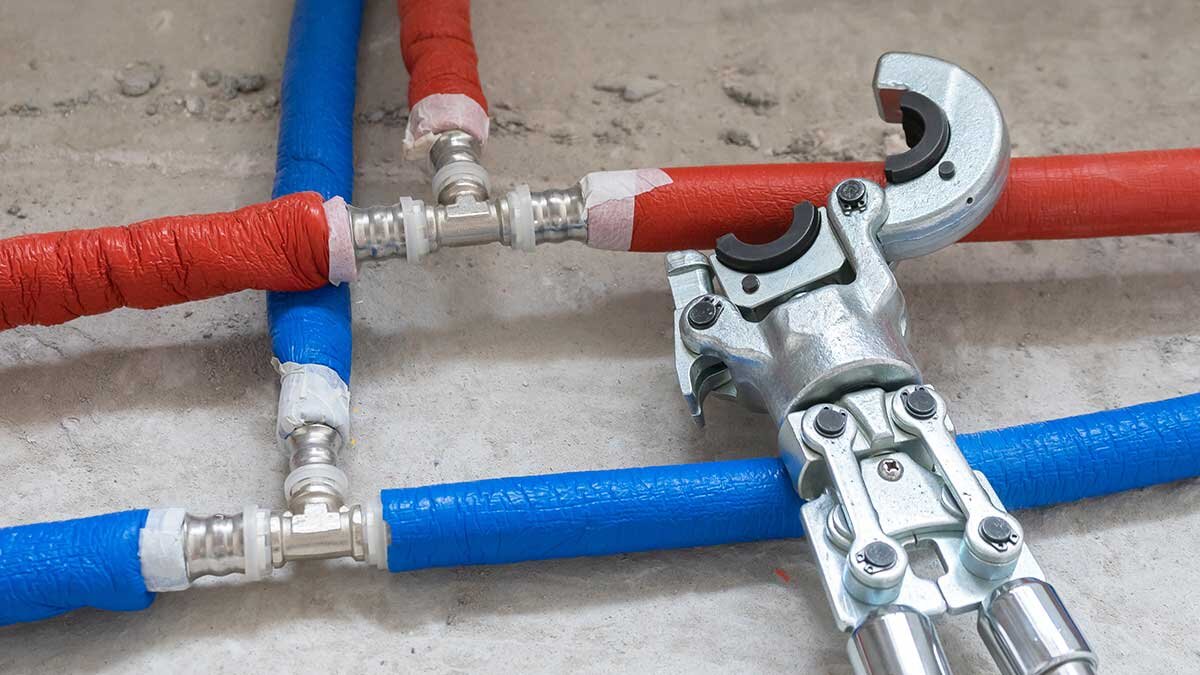
When you’re working with water, gas, or hydronic systems, every connection counts. A reliable crimp helps support code compliance, reduce installation time, and maintain consistent performance. Whether you’re a licensed plumber or managing material orders for your crew, understanding plumbing crimping tools can help you choose equipment that matches the job and your workflow. This guide covers the primary types of plumbing crimping tools used with PEX and copper systems, along with key features, use cases, and considerations to keep in mind.
Why Crimping Matters in Plumbing
Crimping refers to compressing a ring or fitting to create a leak-resistant connection between pipe and fitting. It’s a go-to method in many systems because it’s:
- Flame-free, which can be helpful in enclosed or fire-restricted areas
- Code-compliant for a wide range of water and hydronic applications
- Efficient and repeatable, ideal for both new builds and retrofits
Types of Plumbing Crimping Tools
PEX Crimping Tools
Function: These tools compress a copper ring over PEX tubing to secure it around a barbed fitting.
Tool Types:
- Manual crimp tools (often used for 3/8" to 1" pipe)
- Ratcheting tools for consistent compression
- Battery-powered models for frequent or high-volume work
Applications:
- Residential water systems
- Radiant floor heating
- Remodels and retrofits
Tool Features:
- Compatible with ASTM F1807 (metal crimp) and F2159 (polymer) systems
- Many include go/no-go gauges to help verify a proper crimp
- Some models have interchangeable jaws to handle multiple pipe sizes
PEX Clamp Tools (Cinch Tools)
Function: These tools work with stainless steel cinch rings. They compress a raised tab until the ring secures the fitting and pipe.
Advantages:
- Typically work across all standard sizes (3/8" to 1")
- Useful in tighter spaces
- Can be adjusted or removed more easily during service work
Applications:
- Maintenance and field repairs
- Jobs involving multiple pipe sizes
- Small-scale or service-focused installs
Copper Press-Fit Tools
Function: Press tools create permanent connections in copper pipe using specially designed press fittings. The tool compresses the fitting to form a watertight seal—no soldering required.
Tool Types:
- Manual press tools (limited range)
- Electric press tools for more consistent force
- Battery-powered tools for jobsite mobility
Advantages:
- Help reduce install time on large jobs
- No need for flames or drying time
- Press fittings are often NSF-approved for potable and hydronic use
Applications:
- Commercial plumbing
- High-end residential installs
- Fire-restricted or space-limited environments
Crimp Tools for Copper Tubing (Non-Press)
These tools are specifically designed to work with copper tubing systems that use barbed fittings, resembling those commonly found in PEX installations. Instead of utilizing press-fit fittings or soldering, these tools create secure connections by compressing a ring or clamp around the tubing and fitting. Although this method is less prevalent in modern plumbing, it remains relevant in legacy systems or hybrid applications where copper and PEX are used together. Professionals may still encounter this setup in retrofit projects, older infrastructure, or specific regional plumbing standards. Understanding how these tools function helps ensure compatibility and reliability when servicing or expanding such systems
Choosing Plumbing Crimp Tools
When selecting a crimp tool, here are a few things to consider:
Pipe Type
- PEX-A, B, or C? Each has different compatibility needs: crimp, clamp, or expansion systems.
- Copper pipe? Confirm whether the job requires press-fit fittings.
Project Scope
- Manual tools are suitable for smaller jobs and repairs.
- Battery-powered tools may help reduce time on large-scale projects.
Pipe Sizes
- Many tools cover 1/2" to 1" pipe sizes; some press tools can go up to 2".
Code Compliance
- Look for tools that support ASTM and NSF standards.
- Built-in indicators or go/no-go gauges help verify a proper crimp.
Frequently Asked Questions
Can I use one tool for both PEX and copper press systems?
No. Each type of system requires a different tool design, including the die and fitting.
Is a ProPress system worth the investment?
For larger projects or commercial jobs, the speed and consistency of a press system may support productivity, even with higher upfront costs.
Are PEX clamp tools as reliable as crimp tools?
Both are accepted by most plumbing codes. Crimp tools are often used for production work, while clamp tools offer more flexibility in variable field conditions.
Final Thoughts
Crimping tools are key to creating reliable plumbing connections that meet project timelines and compliance standards. Whether you’re outfitting a new multi-unit building with copper press fittings or handling a retrofit with PEX-B, having the right crimping tool can make your workday smoother.
