


Portable Forklift and Yard Ramps: How to Choose, Use, and Maintain/
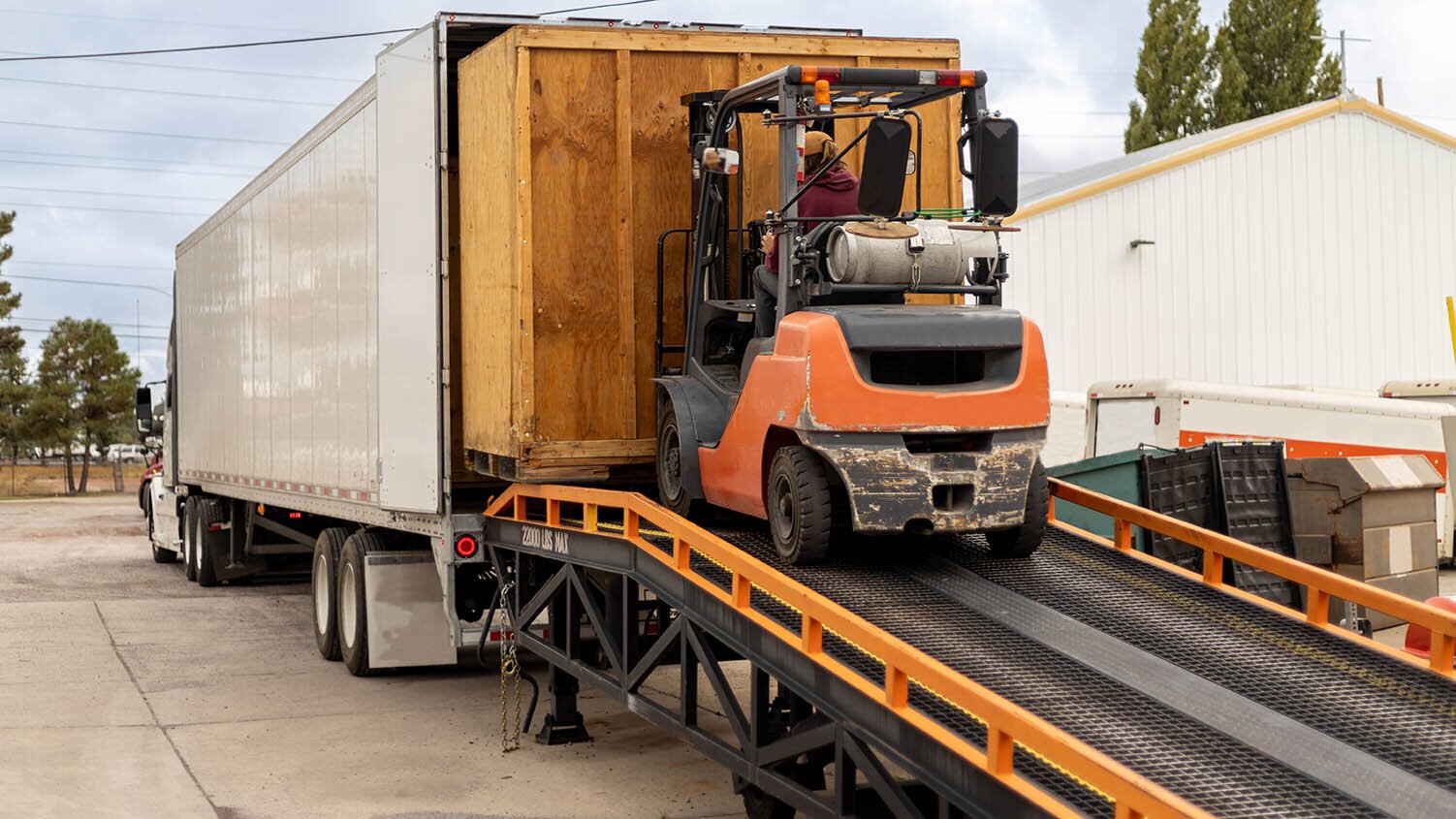
Running a small business often means keeping operations moving smoothly and safely. Portable ramps make it easier to load and unload materials, bridging the gap between your warehouse floor and a truck bed, trailer, or dock. This guide covers how to choose, install, and maintain portable ramps so your team can work efficiently and confidently.
What Is a Portable Ramp?
A portable ramp is a durable, inclined surface designed to connect two different heights, such as ground level and a loading dock. It gives equipment operators a stable path to move materials between spaces, helping reduce physical strain and minimize wear on machinery.
Because they’re movable, portable ramps offer flexibility for businesses that don’t have permanent loading areas or need to accommodate multiple work zones.
Types of Portable Ramps
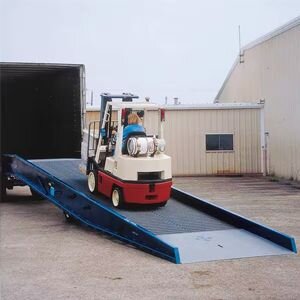
Portable ramps, also called yard ramps, are ideal for small businesses without a permanent dock. They’re easy to move and position where needed, making them a flexible solution. Just confirm the ramp’s load rating matches your forklift and cargo weight before use.
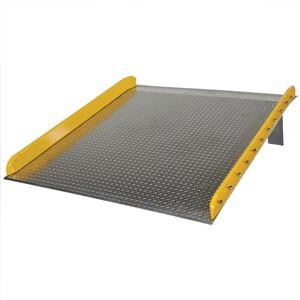
Lightweight and corrosion-resistant, aluminum ramps work well for temporary or light-duty jobs. Their easy mobility makes them popular in outdoor or mobile operations, though steel options last longer under heavy use.
Heavy-Duty Loading Ramps
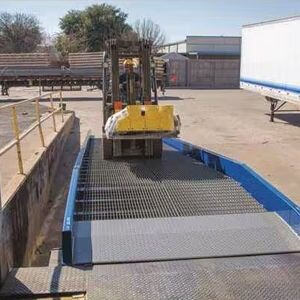
For frequent, high-capacity loading, steel or reinforced ramps provide extra durability and stability. Many come with safety curbs and textured surfaces for better traction—essential in busy warehouse or construction environments.
How to Install a Portable Ramp
Proper installation is key to ramp safety and long-term performance. Follow these steps to set up a secure, reliable loading area.
Choose a level, solid surface capable of supporting the total weight of your equipment and load.
Maintain a 3–5% incline for safe operation.
Use transition plates or lips to create a smooth connection between the ramp and the dock or trailer.
Secure portable ramps with safety chains or anchors to prevent shifting.
Mark ramp edges with high-visibility paint or tape, and post load limits clearly.
Check drainage if used outdoors to reduce water or ice buildup.
Portable Ramp Safety Tips
Safety isn’t just good practice; it’s essential for productivity and compliance. Keep these precautions in mind whenever portable ramps are in use.
Inspect before each use. Look for cracks, rust, or loose hardware.
Clean regularly. Remove oil, dirt, and debris to maintain traction.
Operate slowly and steadily. Move equipment carefully and avoid sudden turns.
Secure vehicles. Use wheel chocks or dock locks during loading.
Train your team. Review safe ramp operation procedures whenever new equipment or designs are introduced.
Maintaining Your Ramp for Longevity
Routine care extends your ramp’s lifespan and keeps it safe to use.
- Lubricate hinges or pins in adjustable models.
- Tighten bolts and check anchors frequently.
- Reapply coatings on steel ramps to prevent rust.
- Store ramps on a dry, flat surface when not in use.
Finding the Right Fit for Your Business
Zoro carries a full range of portable ramps built for all kinds of operations, from portable aluminum models to heavy-duty steel designs. Explore our selection to find the ramp that keeps your team working safely and efficiently.
Product Compliance and Suitability
The statements contained in this guide are intended for general informational purposes only. Such statements do not constitute a product recommendation or representation as to the appropriateness, accuracy, completeness, correctness, or currentness of the information provided. Information provided in this guide does not replace the use by you of any manufacturer instructions, technical product manual, or other professional resource or adviser available to you. Always read, understand, and follow all manufacturer instructions. Portions of this article were generated in part by ChatGPT, and edited by a member of the Zoro team.
