


Power Up with the Right Work Lights for the Jobsite
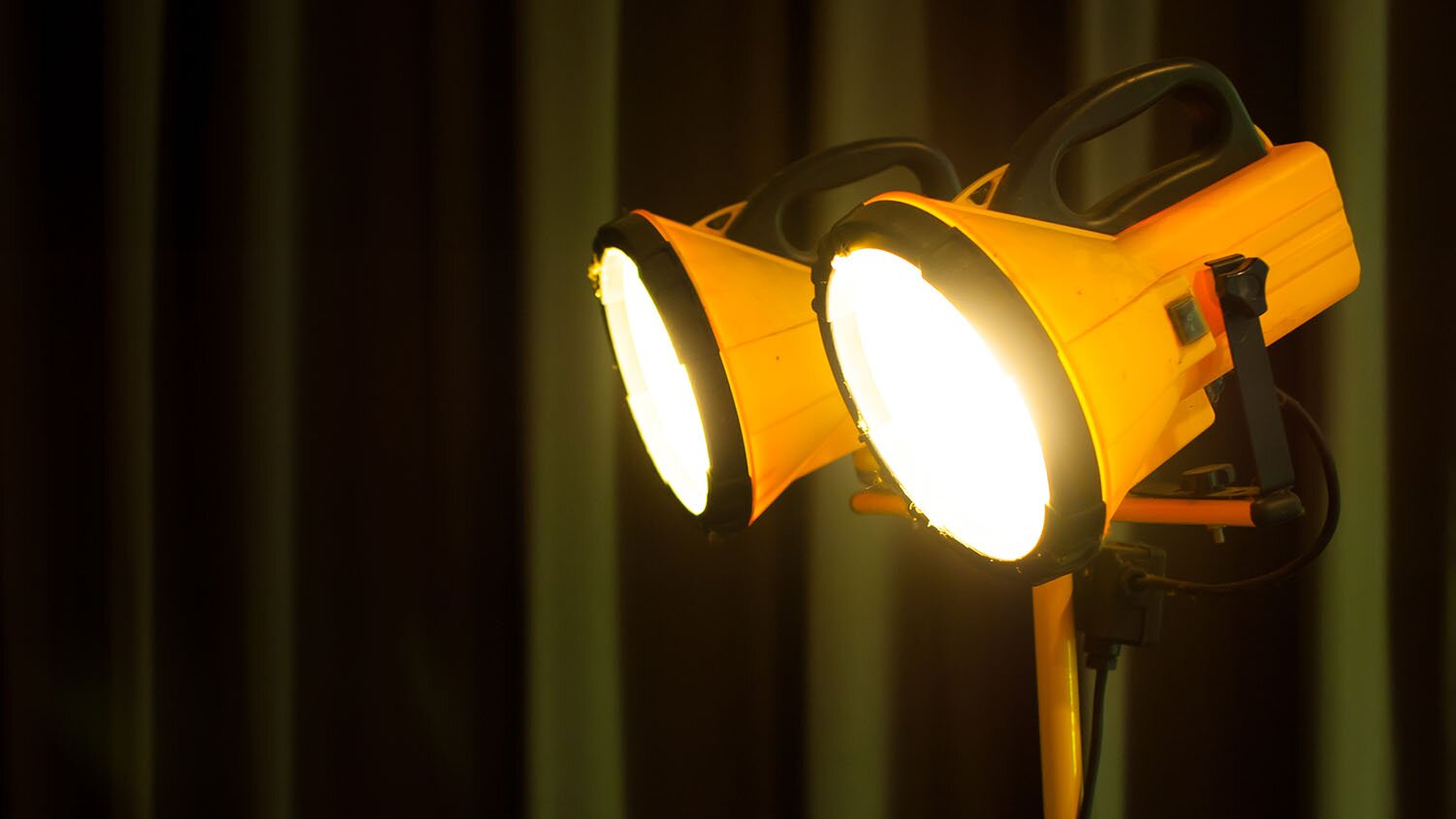
A set of work lights with easy portability can be your best friend on a jobsite. Nothing cuts through the darkness and chases shadows away like a portable work light on a tripod or hands-free work lights strapped to your head. Before you get your next set of work lights, let’s take a look at the different types of lights, bulbs, and power options available.
But first, when considering different work lights, think about how you’ll use them.
- How big is the area that needs to be lit?
- How far away is the thing you need to be lit?
- Will you need light in open spaces or tight quarters?
- Is there a power source nearby or does it need to be self-powered?
Think about those answers and let’s dive in.
Types of Work Lights for the Jobsite
Different tasks call for different jobsite work lights. Some large stand-mounted lights cast a bright light over a large work area, while smaller hand-held or hands-free lights aim a beam just where you need it most.
| Tripods | Clamp Lights | String Lights | Hands-Free | Flashlights |
 |
 |
 |
 |
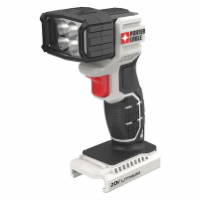 |
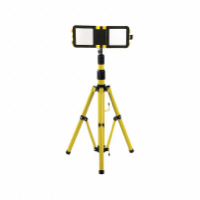
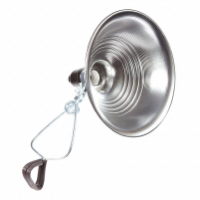
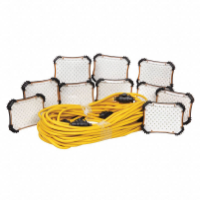
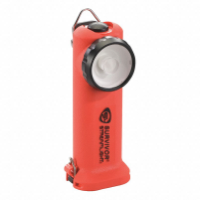
| Work lights like these are mounted on a tripod and are often adjustable so they can reach varying heights. The lights themselves can be tilted and pivoted into different positions to illuminate at nearly any angle. Tripods are also collapsible for easy portability. | With a gripping device that attaches to workbenches, beams, and other surfaces, these compact work lights are extremely portable and provide a stable lighting source wherever it’s needed. | With a gripping device that attaches to workbenches, beams, and other surfaces, these compact work lights are extremely portable and provide a stable lighting source wherever it’s needed. | Get light into nooks and crannies without having to hold a light. Some hands-free work lights hang, some clip on to tools, while others slip over your head to conveniently light what’s in front of you. | The classic handheld flashlight directs a beam of light anywhere you need it. Some can cast a short, wide beam while others cast a longer, narrower beam over a greater distance, whichever is needed. |
Types of Light Bulbs
Work lights have several different sources for their luminescence.
| LED | Incandescent | Fluorescent | Halogen |
 |
 |
 |
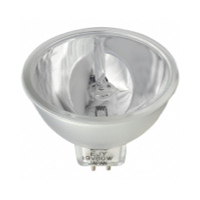 |
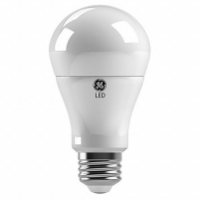
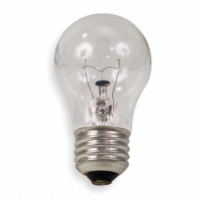
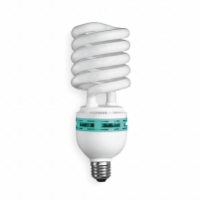
| Tiny LEDs (light-emitting diodes) provide bright, crisp light but use very little power compared to other light sources, making them much cheaper to operate when plugged in and long-lasting when running on batteries. In fact, the U.S. Department of Energy states LEDs use at least 75% less energy and last up to 25 times longer than traditional incandescent bulbs. LED work lights produce very little heat compared to incandescent bulbs, resist impact damage, and can be directed without needing reflectors. | What people recognize as a traditional light bulb is typically what’s called an incandescent bulb, in which a wire filament is heated and gives off light. They give off a lot of heat and, compared to newer lighting technologies, don’t last as long and are not energy efficient. However, they are very inexpensive and easy to replace. They often have a protective cage around them to prevent damage. | These give off cool, bright light when electricity runs through an inert gas, causing particles to collide and produce visible light. They are more energy-efficient than incandescent bulbs, but often cost more. | The brightest light is created by easy-to-replace halogen bulbs. The primary drawback of halogen bulbs is the heat they put off, so care must be taken to not touch the bulbs or housing, and to prevent close contact between hot bulbs and combustible materials. |
Power Options
There are three ways to power jobsite work lights: plug-in, replaceable battery, and rechargeable battery.
Plug-In
Plugging a light into an electrical outlet provides a continuous, unlimited source of power. With no need to charge or replace batteries, these are virtually maintenance-free. However, they are less portable because they always need to be close to an outlet or require an extension cord to be run. Though they can be used outside, they are more suited to indoor projects because of the proximity to electrical outlets.
Replaceable Battery
If you need easily portable lighting, battery power is your best choice. No outlets are needed so these can go anywhere. Since battery-powered lights can dim or shut off as the battery drains, be sure to keep extra batteries on hand.
Rechargeable Battery
These combine the best of both plug-in and replaceable battery lights, with exceptional portability when fully charged but can be plugged into an outlet to power the light and recharge the battery. They are cheaper to operate than constantly replacing batteries. Some lights have swappable batteries so you can charge them while using the light, while others have a fixed battery inside.
A Well-Lit Jobsite Puts Safety and Simplicity First
Whether you’re using LED work lights for your jobsite or battery-powered portable work lights, or any other kind, a safe jobsite always has good lighting for safety. If you can see something well, the job is easier and you’re less likely to have an accident. For your next work light, trust the experts at Zoro to have the light you need.
Source: Energy.gov
Product Compliance and Suitability
The product statements contained in this guide are intended for general informational purposes only. Such product statements do not constitute a product recommendation or representation as to the appropriateness, accuracy, completeness, correctness, or currentness of the information provided. Information provided in this guide does not replace the use by you of any manufacturer instructions, technical product manual, or other professional resource or adviser available to you. Always read, understand, and follow all manufacturer instructions.
