


PPE for Manufacturing: A Guide for Mid-Size Operations
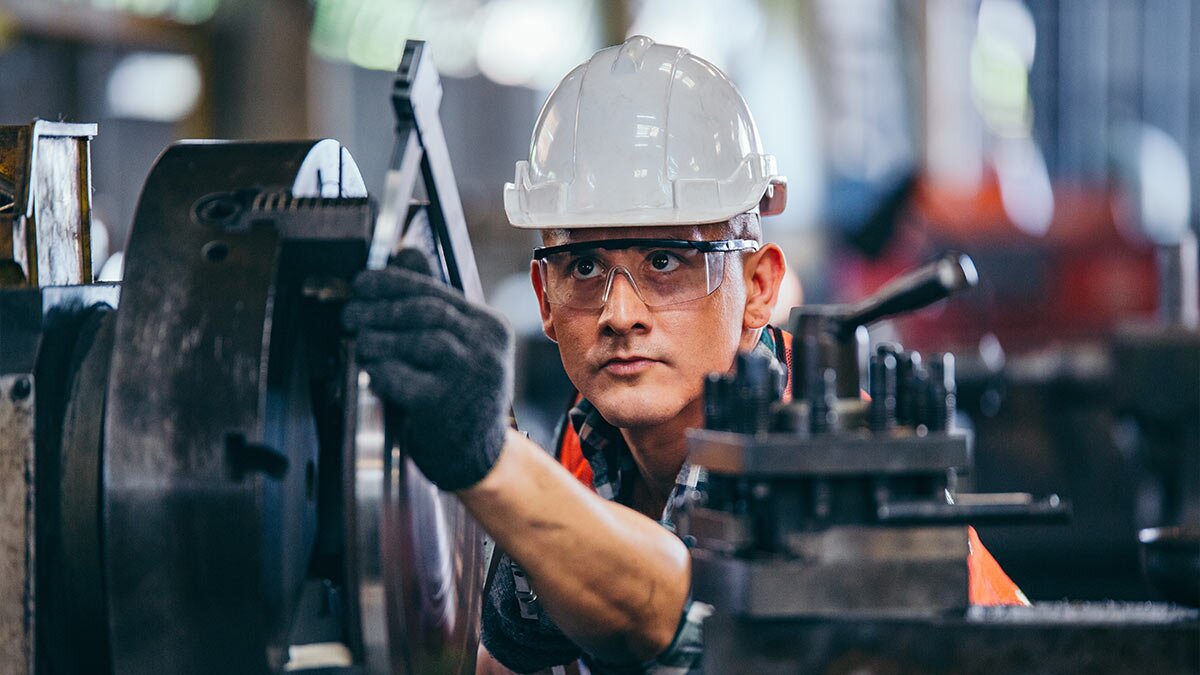
If you manage a mid-size manufacturing facility, you’re balancing production goals, workforce safety, equipment uptime, and compliance obligations every day. PPE for manufacturing is not just a purchasing task; it’s a part of how you protect your people, meet OSHA requirements, and keep operations moving. This guide breaks down manufacturing PPE requirements and the types of PPE you need to keep your crews safe on the job.
Why PPE Matters in Mid-Size Manufacturing Facilities
No matter what your facility makes, on-the-job hazards exist in every manufacturing environment. Here are just some of the watch-outs that are top-of-mind for operations and safety managers.
- Arc radiation and welding sparks
- Exposure to fumes and airborne particulates
- Flying debris and foreign body eye injuries
- High noise levels
- Chemical contact
- Slip and fall risks
- Electrical arc flash hazards
Under OSHA PPE requirements outlined in 29 CFR 1910 Subpart I, employers must assess workplace hazards and determine the required PPE for factory workers.
For mid-size manufacturers, PPE requirements are especially important. You may not have the layered safety departments of a large enterprise, but you still operate complex equipment and diverse work zones. That makes consistency and clarity critical.
Types of PPE: A Head-to-Toe Overview
When reviewing PPE for manufacturing, start with the hazard, then align protection with OSHA PPE requirements and applicable ANSI standards. The tables below help simplify decision-making for mid-size facilities and offer some product suggestions.
1. Eye and Face Protection
Manufacturing environments pose many threats to your workers’ faces and eyes. Check out the hazards, the corresponding PPE, and guidance from ANSI and OSHA in the table.
| Safety Glasses | or indirect-vent safety goggles, (worn over safety glasses) | Welding Helmets with shaded filter lenses, face shields, safety glasses | Safety Goggles; may pair with respirators | |
|  |  |  | |
| Manufacturing Hazard | Flying debris, grinding sparks, machining particles | Chemical splashes, liquid exposure | Welding arc radiation, sparks | Dust and airborne particulates |
| Common Work Areas | Machining, cutting, grinding stations | Cleaning, finishing, chemical handling | Welding, metal fabrication | Cutting, sanding, material handling |
| Applicable Standards | ANSI/ISEA Z87.1 | ANSI/ISEA Z87.1 | ANSI/ISEA Z87.1 | ANSI/ISEA Z87.1 and OSHA 1910.134 if respirators are required |

2. Hearing Protection
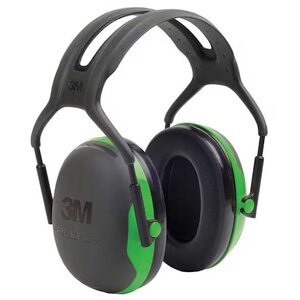
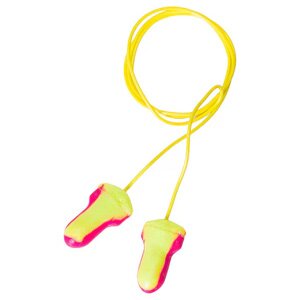
Noise is part of your operation. The question is whether your hearing protection aligns with current exposure levels and documented standards.
ANSI/ASA S3.19-1974 sets performance criteria for attenuation. Your manufacturing PPE program should confirm that selected ear plugs, ear muffs, or welding ear muffs correspond to measured decibel levels in each work zone.
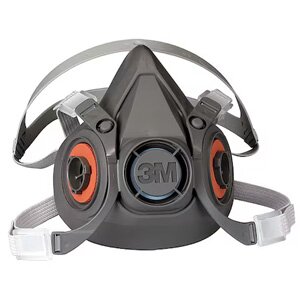
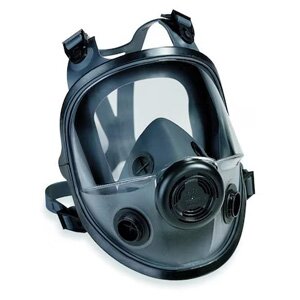
3. Respiratory Protection
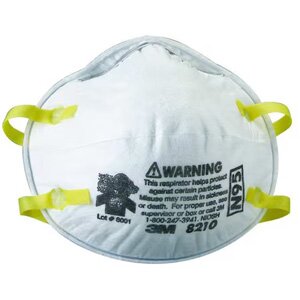
Respiratory protection in manufacturing typically includes several product categories, depending on the exposures identified in your hazard assessment and OSHA 1910.134 requirements.
4. Head Protection
5. Hand Protection
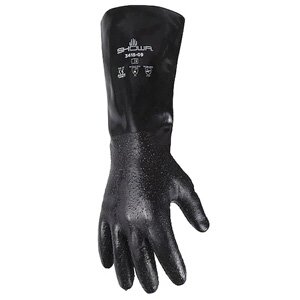
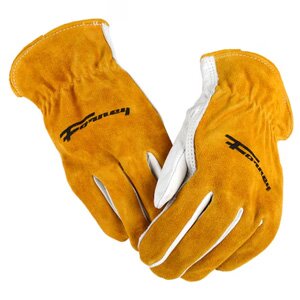
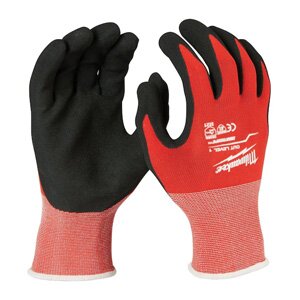
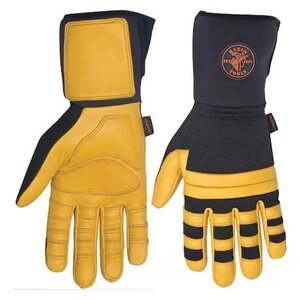
Manufacturing PPE for hands varies widely depending on the task. Reference OSHA’s guidance 1910.138 for more detailed information.
6. Foot Protection
Foot protection in manufacturing environments centers on footwear built to resist impact, compression, and slip hazards. Footwear marked “Z41” indicates ANSI-compliant impact and compression performance.
Common product categories include:
- Steel-toe boots or shoes—designed to provide impact and compression protection in material handling and fabrication areas.
- Composite-toe footwear—used where metal-free protection is preferred.
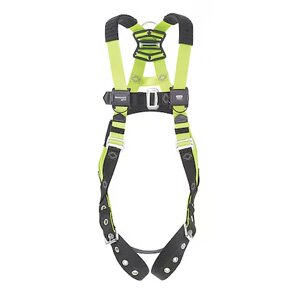
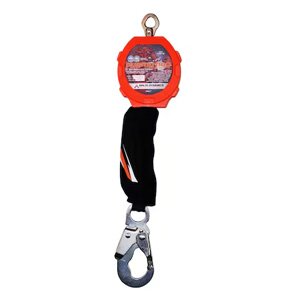
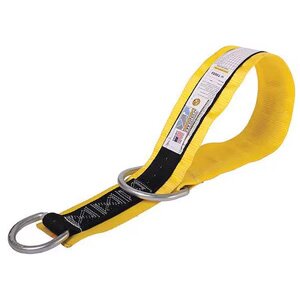
7. Fall Protection
Many manufacturing environments include elevated platforms, mezzanines, or at-height maintenance access points. Your product selection should reflect the specific height exposures in your facility and align with OSHA fall protection requirements. Here are some common types of fall protection used to keep workers safe.
8. Protective Clothing
When arc flash, sparks, or heat are part of your daily operations, protective clothing such as arc flash or flame-resistant clothing aligned with NFPA 70E guidance is a must to keep your workers safe.
You already know that safety and production go hand in hand. While OSHA’s PPE requirements give you the framework, it’s your responsibility to put it into action. Explore Zoro’s selection of manufacturing PPE to keep your people safe and your operation in compliance.
Product Compliance and Suitability
The statements contained in this guide are intended for general informational purposes only. Such statements do not constitute a product recommendation or representation as to the appropriateness, accuracy, completeness, correctness, or currentness of the information provided. Information provided in this guide does not replace the use by you of any manufacturer instructions, technical product manual, or other professional resource or adviser available to you. Always read, understand, and follow all manufacturer instructions. Portions of this article were generated in part by ChatGPT, and edited by a member of the Zoro team.
