


Pros and Cons of Steel-Toe Boots
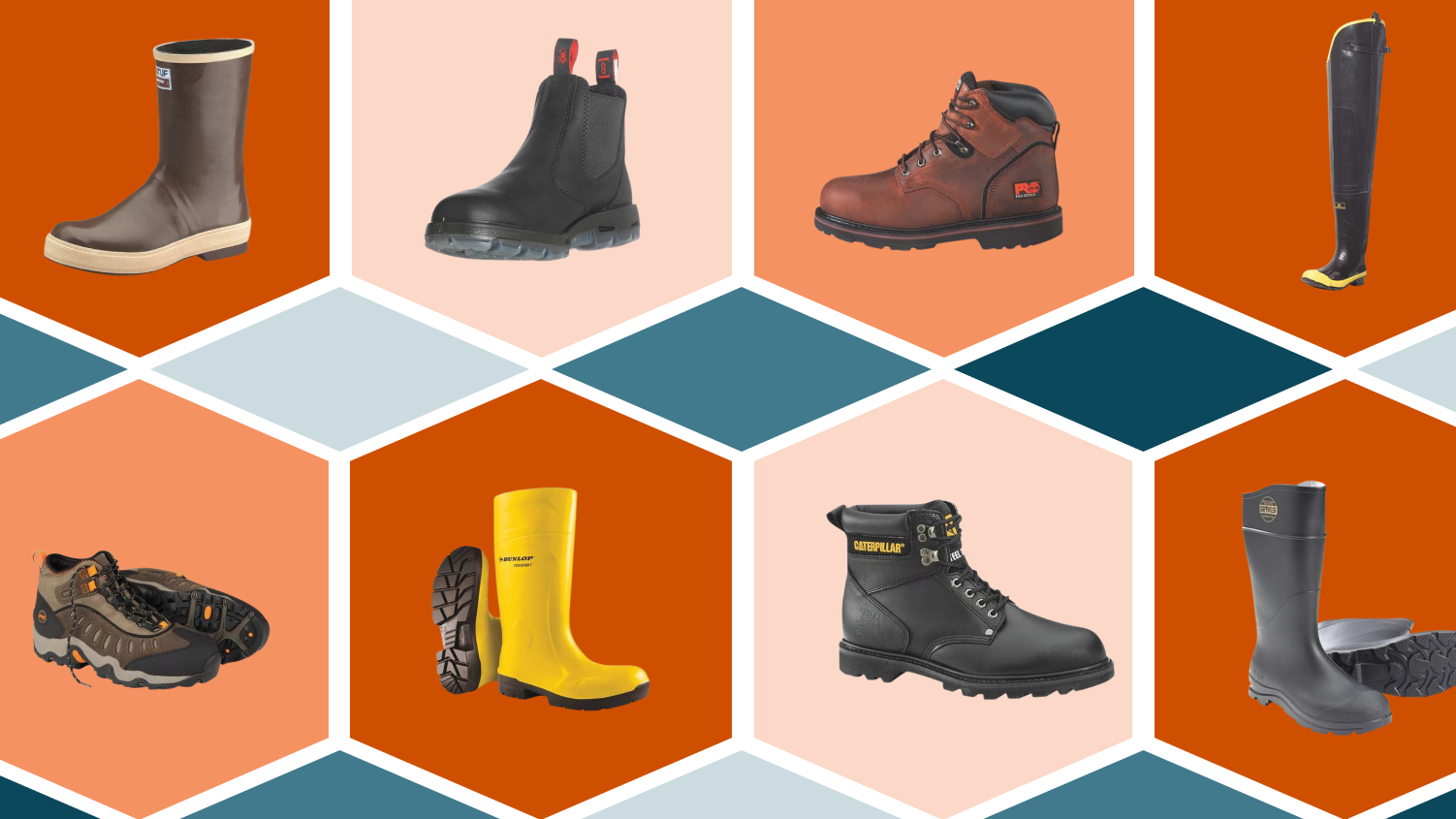
Workplace safety is a top priority for any employee, and that applies to protecting the feet, too! With more than 53,000 foot injuries leading to missed work days per year according to the Bureau of Labor Statistics, it's crucial to equip employees with the proper gear to prevent potential harm. One of the best ways to ensure feet are protected on the job is by wearing steel-toe boots.
Steel-toe boots provide essential protection from falling objects, sharp edges, and other foot hazards. They also help prevent slips and falls by providing grip on wet surfaces while offering added benefits such as insulation and cushioning. These versatile and durable boots are a must-have for anyone looking to be safe, comfortable, and productive. Read on or watch our video to learn the advantages of wearing protective boots at work!
What Are Steel-Toe Boots, and How Do They Work?
Steel-toe boots include a hardened steel insert over the toe box. That steel cap is designed to absorb and redistribute impact from falling objects, rolling equipment, or compression hazards.
For small business owners, the most important point is compliance. OSHA-approved steel-toe boots are often required in environments where heavy objects or moving machinery pose risks. These boots also commonly feature slip-resistant soles, puncture resistance, and insulation, adding layers of protection beyond the steel itself.
- Steel-toe boots protect feet from impact and compression.
- They support OSHA compliance.
- They’re durable but heavier and temperature-sensitive.
Pros of Steel-Toe Boots
Safety Considerations
Keep your crew safe from the unexpected. Steel-toe boots are built with reinforced caps that help shield feet from heavy impacts while also adding stability on the job. Many styles include slip-resistant soles, puncture protection, and durable materials that hold up in tough environments—features that make a difference when the work gets demanding. They’re also designed with comfort in mind. Supportive arches and added ankle support mean your team can stay on their feet longer without the same strain you’d get from a basic work boot.
Impact Resistance
These boots are built to take a hit so your feet don’t have to. With a steel toe guard that meets ASTM safety standards, they’re designed to handle heavy impacts and tough conditions, giving your team dependable protection where it matters most. Steel-toe boots do more than guard against heavy impacts. They can also help protect feet from sharp objects, harsh materials, and even tough weather conditions. Depending on your jobsite, you’ll find options with extras like waterproofing, slip-resistant soles, or oil-resistant treads.
Penetration Resistance
Steel-toe boots are built tough enough to stand up to hazards like glass, nails, and other sharp objects. The way they’re made can vary depending on where they’ll be used. Boots designed for construction might look a little different than ones made for factory floors. That’s why it helps to think about your own jobsite and what your team really needs before choosing a pair.
Compression Resistance
Steel-toe boots are built to handle heavy pressure without giving in. The reinforced plate in the toe box helps shield feet from collisions and crushing force, while cushioned soles take on some of the shock from long days on your feet. Many styles also come with slip-resistant outsoles, giving your crew steadier footing when the ground gets slick.
Cons of Steel-Toe Boots to Keep in Mind
Weight and Bulk
Steel adds weight. Over long shifts, this can lead to fatigue—something your team may notice compared to lighter alternatives.
Temperature Sensitivity
Steel conducts heat and cold, which means comfort can drop in extreme weather.
Comfort and Fit Issues
If boots don’t fit properly, workers may develop minor steel-toe boot injuries like pressure points or blisters.
| Type of Footwear | Key Benefits | Potential Trade-Offs |
| Steel-Toe Boots | OSHA-approved, durable, high impact protection | Heavier, conducts heat/cold |
| Composite-Toe Boots | Lighter, non-metallic, better in hot/cold | Less impact resistance |
| Soft-Toe Boots | Lightweight, flexible, and often more breathable than steel or composite options. | No toe impact protection |
Final Thoughts
Outfitting your team with dependable gear doesn’t have to be complicated. At Zoro, you’ll find a wide selection of steel-toe boots that fit different jobsite needs, whether you’re looking for slip resistance, waterproofing, or added insulation. With affordable options and free shipping on qualifying orders, it’s simple to get the protection and comfort your crew needs to keep moving.
Product Compliance and Suitability
The statements contained in this guide are intended for general informational purposes only. Such statements do not constitute a product recommendation or representation as to the appropriateness, accuracy, completeness, correctness, or currentness of the information provided. Information provided in this guide does not replace the use by you of any manufacturer instructions, technical product manual, or other professional resource or adviser available to you. Always read, understand, and follow all manufacturer instructions. Portions of this article were generated in part by ChatGPT, and edited by a member of the Zoro team.
