


Protecting Your Workforce: The Importance of Preventing Slips, Trips, and Falls
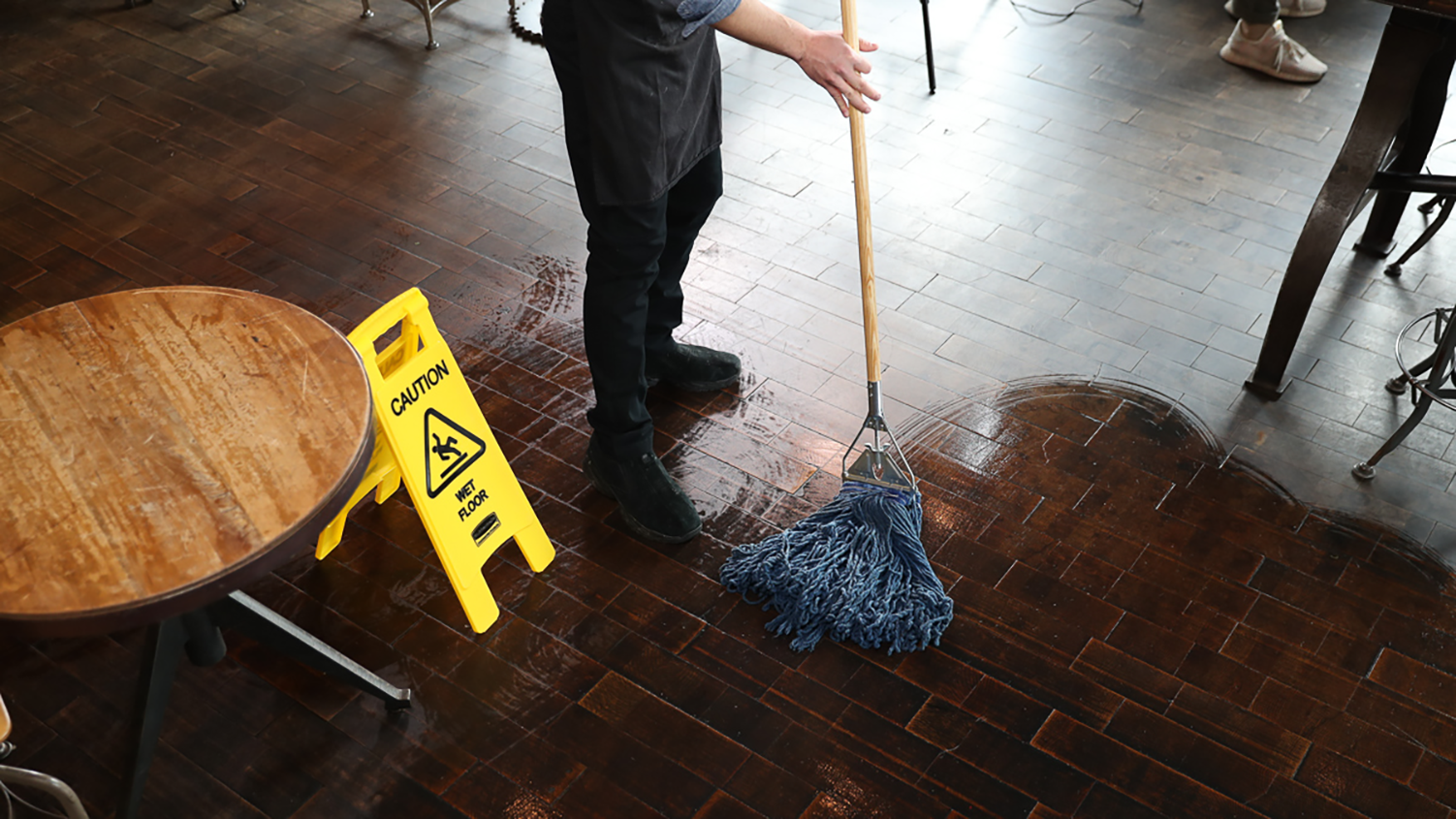
Table of Contents
As a small business owner, you're responsible for creating a safe environment for your employees and customers. Safer workplaces not only meet the required OSHA regulations, but they also lead to fewer injuries and a more productive team.
Some of the biggest risks in any workplace are slips, trips, and falls, which can lead to injuries from minor cuts and bruises to more serious, even life-threatening, injuries. According to OSHA, slips and falls lead to almost 700 deaths in the workplace each year, and the National Safety Council says that more than 200,000 injuries from falls occurred in 2020 alone.
Fortunately, these injuries and hazards are entirely preventable. In this article, we'll explore some of the most common hazards for slips and falls. We'll show you how your small business can avoid them while keeping everyone on your team protected from danger.
Poor Lighting
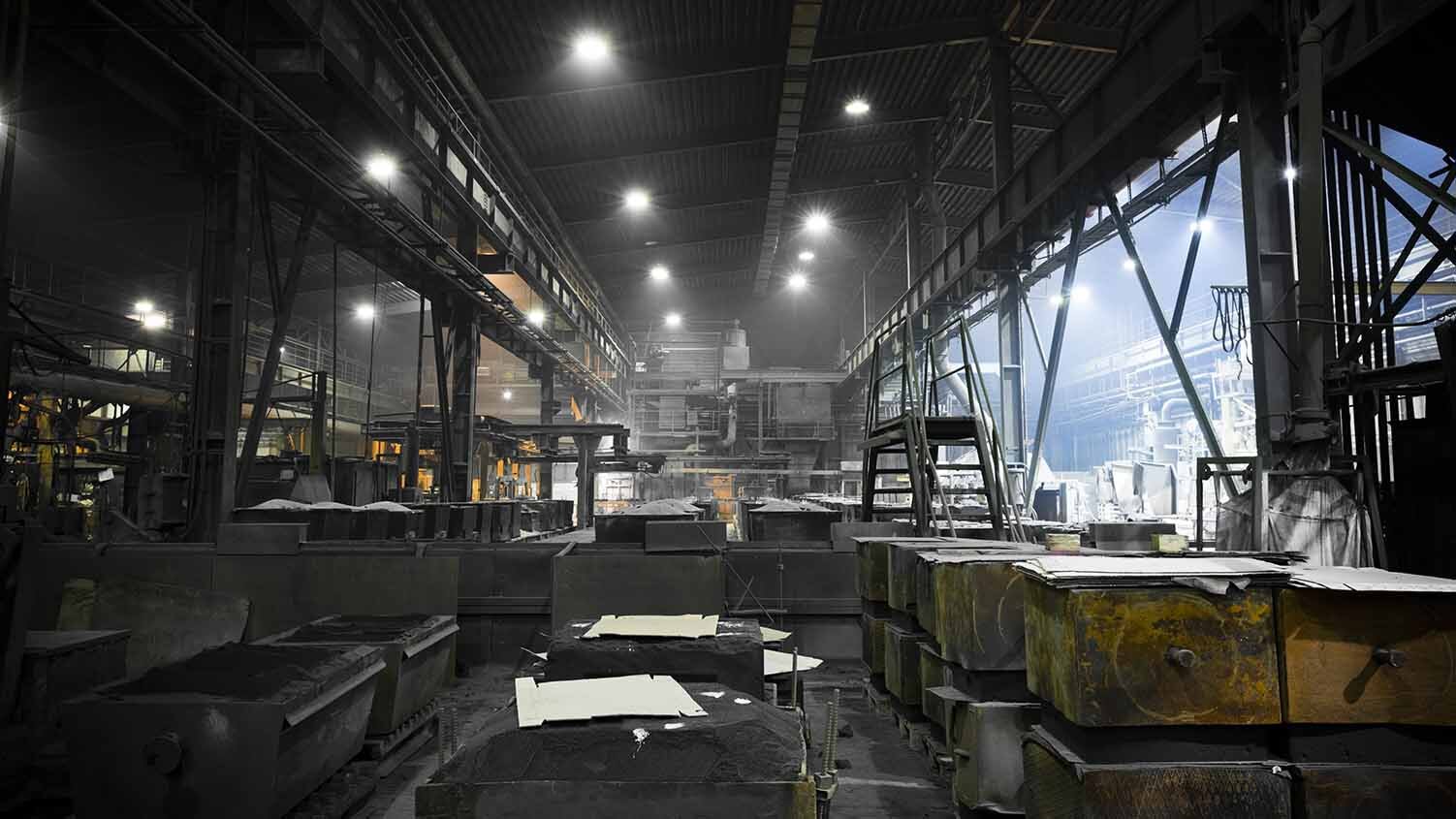
Though there are several causes of trips, slips, and falls in the workplace, poor lighting is one of the most common—and one of the most easily avoidable. Inadequate lighting can make it difficult to see potential hazards on walking surfaces, increasing the risk of injuries. To prevent this, ensure that all areas of your business, especially high-traffic areas, are well-lit and light switches are easily accessible.
Ways to Reduce Poor Lighting and Hazards
Employees should always have adequate lighting to see their surroundings and avoid unsafe areas. This is especially critical in outdoor environments after dark, where the risks are even greater.
Consider the following tips to reduce injuries and maintain safe lighting:
- Ensure that all areas, especially ones that present possible hazards (e.g., staircases), are well-lit at all times and free of obstructions or other hazards.
- Train employees to turn on lights immediately in any dark areas. Keep light switches in obvious places that are easy to access.
- Keep lights and switches in working order and repair them immediately whenever there's an issue.
Wet or Slippery Surfaces
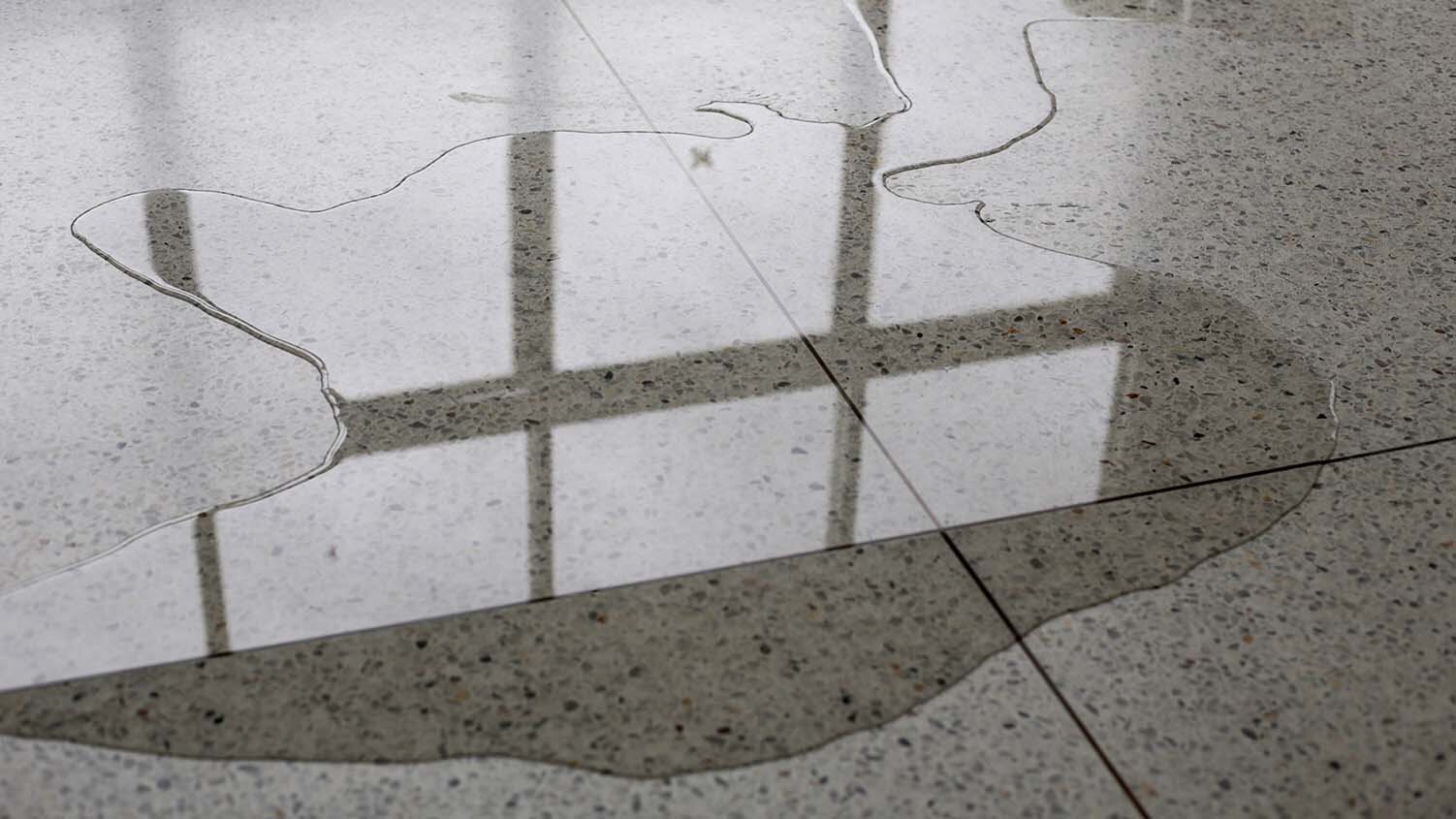
Another very common cause of injuries and falls in the workplace is wet or slippery surfaces, such as floors that have just been mopped or spots with spilled liquids. To prevent slips, make sure to clean up spills immediately and use non-slip mats in areas where liquids are frequently used or spilled.
Ways to Minimize Risk of Injury from Wet or Slippery Surfaces
Employee Training
There are no formal OSHA training requirements for preventing slips, trips, and falls, but you should still train all employees to recognize and avoid unsafe conditions.
Start by putting together an employee handout or document based on the information in OSHA 1910.22 Walking/Working Surfaces. Make sure to carefully and regularly review with all employees (including new hires) the steps they can take to protect themselves from slip, trip, and falling hazards. You'll also want to consider developing a company program to ensure that all employees are using proper PPE and shoes to protect themselves from hazards, paid for by the company if necessary.
In addition, consider the following steps you can take to reduce the risks of wet or slippery surfaces.
Place Warning Signs
Make sure that warning signs are placed in visible locations to alert individuals of a potential hazard—for example, when a floor has been recently cleaned or if there has been a spill. These signs remind employees (and others) to exercise caution and watch their step.
Install Anti-Skid Adhesive Tape
Anti-skid adhesive tape can be applied to flooring surfaces to increase traction and reduce the risk of slipping. These tapes are particularly useful in areas where it is not possible or practical to use mats.
Encourage Slip-Resistant Footwear
Instruct employees and customers to wear slip-resistant shoes and change into appropriate footwear when entering a potentially wet area. Slip-resistant shoes have special soles that provide grip on slick surfaces, reducing the likelihood of falls.
Uneven Walking Surfaces
Uneven walking surfaces, such as cracked or broken floors or sidewalks, can also create a serious hazard in the workplace, leading to injuries from slips, trips, and falls. From sidewalks to parking lots to indoor floors, any surface that is not level or has unexpected changes in elevation can pose a hazard. You can use the following strategies to regularly inspect uneven surfaces and ensure that workers are able to avoid them when necessary.

Reducing the Risk of Injury from Uneven Walking Surfaces
Regular Inspections
Conduct regular inspections of walking surfaces to identify any uneven areas that pose a risk. The best way to handle these hazards is to repair them promptly and prevent accidents from occurring. Consider having a schedule in place for these inspections to occur at regular intervals.
Proper Lighting
Uneven surfaces can be especially difficult to spot in low-light situations, increasing the likelihood of accidents. Installing proper lighting to illuminate walking surfaces is a simple yet effective solution. Lighting options include overhead lights, task lighting, or even motion sensor lights.
Safety Education
As with any hazard, providing safety education to your employees is an excellent way to prevent accidents on uneven walking surfaces. Ensure employees are aware of the potential hazards and encourage them to report any areas that require attention. By educating your workers, you can create a culture of safety which will further decrease the risk of injuries.
Slip-Resistant Flooring
Use slip-resistant flooring to help maintain a good grip between shoes and the walking surface. This is a particularly effective strategy for areas that receive a lot of foot traffic, such as entryways or bathrooms. Options for slip-resistant flooring include rubber, vinyl, and carpet tiles.
Warning Signs
Use appropriate signage to mark all areas with uneven walking surfaces and alert individuals to the potential hazards. This helps prevent accidents by allowing people to adjust their behavior accordingly. Signs can be as simple as a brightly colored sticker or as detailed as a floor mat with built-in hazard warnings.
Slips, trips, and falls are serious workplace hazards that can lead to injuries if not handled properly. By implementing strategies such as regular inspections, proper lighting, safety education, slip-resistant flooring, and warning signs, you can significantly reduce the risk of injury from issues like bad lighting, wet floors, and uneven surfaces. As a small business owner, investing in safety today will contribute to the success of your business tomorrow.
Product Compliance and Suitability
The product statements contained in this guide are intended for general informational purposes only. Such product statements do not constitute a product recommendation or representation as to the appropriateness, accuracy, completeness, correctness, or currentness of the information provided. Information provided in this guide does not replace the use by you of any manufacturer instructions, technical product manual, or other professional resource or adviser available to you. Always read, understand, and follow all manufacturer instructions.
