
PVC Air Hose vs Rubber Air Hose
PVC Air Hose vs Rubber Air Hose: Which is Best for Your Workspace?
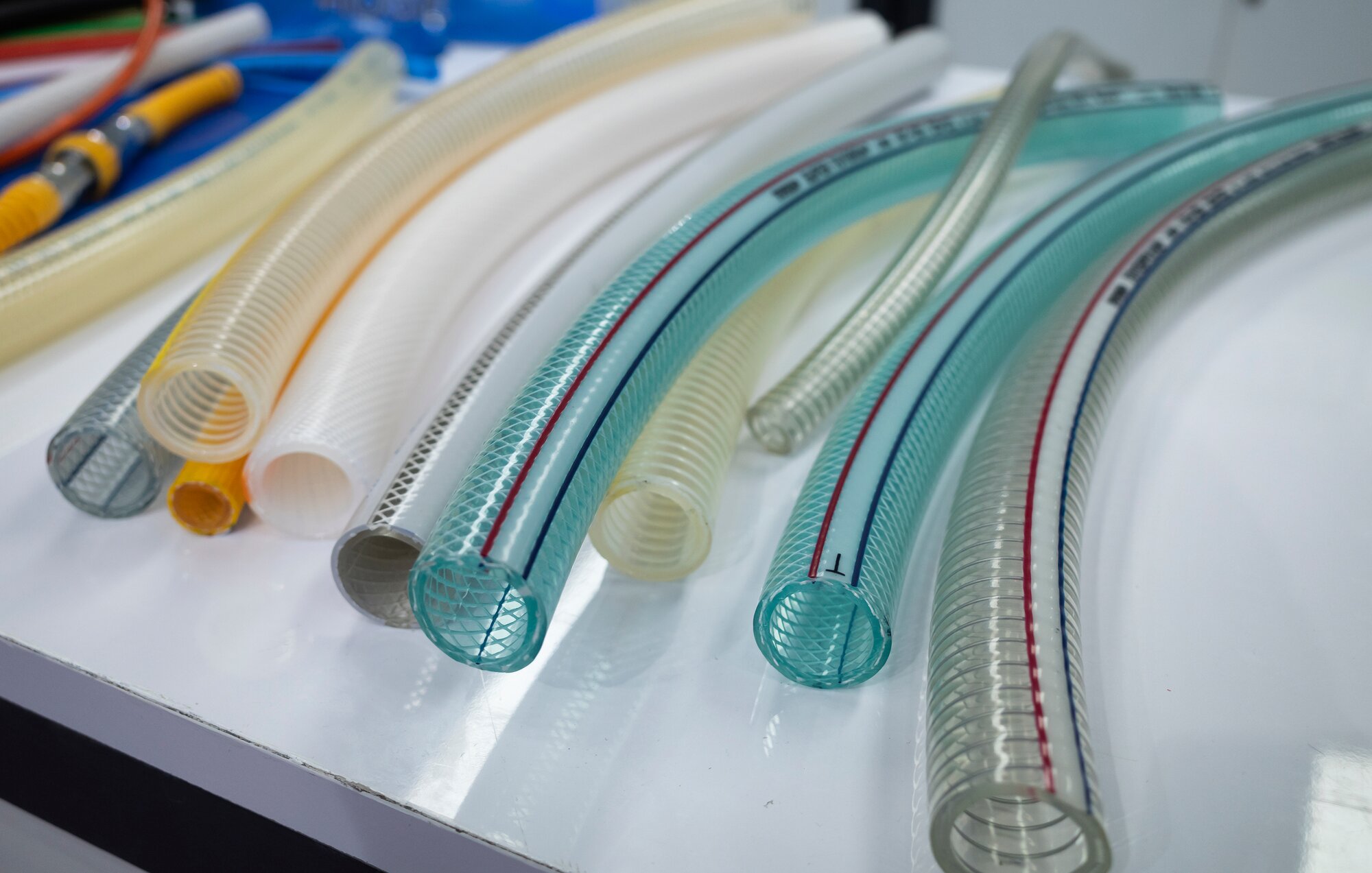
PVC Air Hose vs Rubber Air Hose
When selecting the right equipment for your pneumatic tools, the debate often boils down to a classic match-up: PVC air hose vs rubber air hose. Both materials have dominated workshops and construction sites for decades, yet they offer vastly different performance profiles depending on the environment. Whether you are a DIY enthusiast or a professional contractor, understanding the nuances of these two materials is essential for safety and efficiency.
| Feature | PVC Air Hose | Rubber Air Hose |
|---|---|---|
| Weight | Lightweight | Heavy |
| Cold Weather | Becomes stiff/brittle | Remains flexible |
| Price | Budget-friendly | Premium |
| Coil Memory | High (tends to curl) | Low (lays flat) |
| Best For | DIY, Indoor, Warm climates | Professional, Industrial, Cold climates |
The Economics and Portability of PVC
Polyvinyl Chloride (PVC) is a ubiquitous synthetic plastic polymer known for its lightweight nature and cost-efficiency. In many industrial and construction applications, PVC is favored because it is easy to handle and significantly cheaper to manufacture than its rubber counterparts (Lewandowski & Skórczewska, 2022).
Pros of PVC Air Hoses
- Weight: PVC is considerably lighter than rubber. If you are moving around a large workspace or working on a ladder, a PVC air hose vs rubber air hose choice often leans toward PVC to reduce user fatigue.
- Durability in Mild Conditions: PVC is resistant to many chemicals and abrasion. It features a non-marring outer cover, meaning it won’t leave scuff marks on finished floors or painted surfaces.
- Visibility: They are often manufactured in bright, high-visibility colors like "safety yellow" or "neon green," which helps prevent tripping hazards in busy shops.
The Temperature Trade-off
The primary drawback of PVC is its sensitivity to temperature. PVC relies on chemical additives called plasticizers to remain flexible. However, these plasticizers can migrate or become ineffective in extreme cold, causing the hose to become stiff and "memory-prone"—meaning it stays coiled like a spring instead of laying flat. In high-heat environments, lower-quality PVC may even suffer from thermal instability.
The Rugged Reliability of Rubber
For those working in demanding environments, the PVC air hose vs rubber air hose comparison frequently ends with rubber as the victor. Rubber hoses are the "old school" standard for a reason: they are built to endure.
Pros of Rubber Air Hoses
- Extreme Flexibility: Unlike PVC, rubber maintains its "suppleness" across a massive temperature range. High-performance rubber hoses can remain functional in temperatures as low as -80°F and as high as 500°F.
- Memory Resistance: Rubber hoses generally lack "coil memory." When you unroll a rubber hose, it lays flat on the ground, reducing the risk of tangles and kinks.
- Longevity: While PVC can become brittle and crack over time due to plasticizer loss (Jansen, 2003), rubber is more resilient to the repeated bending and high-pressure surges typical of heavy-duty pneumatic work.
The Downside of Density
The main disadvantage of rubber is its weight. It is significantly heavier and bulkier than PVC, which can make it a chore to haul over long distances. Additionally, rubber is typically more expensive, reflecting the higher cost of raw materials and vulcanization processes.
Making the Choice: Which is Right for You?
When deciding between a PVC air hose vs rubber air hose, consider your specific workspace. If you are a weekend warrior working in a heated garage on small projects, the lightweight and inexpensive PVC hose is likely your best bet. It provides enough durability for light use without breaking the bank.
However, if you are a professional working on a construction site where the hose will be dragged across gravel, exposed to freezing winter mornings, or subjected to the heat of a summer rooftop, the rubber hose is an essential investment. The lack of coil memory alone saves valuable time and frustration, allowing you to focus on the task at hand rather than fighting with a stiff, tangled line.
Ultimately, the debate isn't about which is "better" in a vacuum, but which material aligns with your environment and physical capacity. For the best of both worlds, some users now opt for "Hybrid" hoses, which blend PVC and rubber to capture the lightweight nature of the former and the flexibility of the latter.
Product Compliance and Suitability
The statements contained in this guide are intended for general informational purposes only. Such statements do not constitute a product recommendation or representation as to the appropriateness, accuracy, completeness, correctness, or currentness of the information provided. Information provided in this guide does not replace the use by you of any manufacturer instructions, technical product manual, or other professional resource or adviser available to you. Always read, understand, and follow all manufacturer instructions. Portions of this article were generated in part by ChatGPT.
