


PVC Ceiling Panels for Businesses: Pros, Cons, and Installation
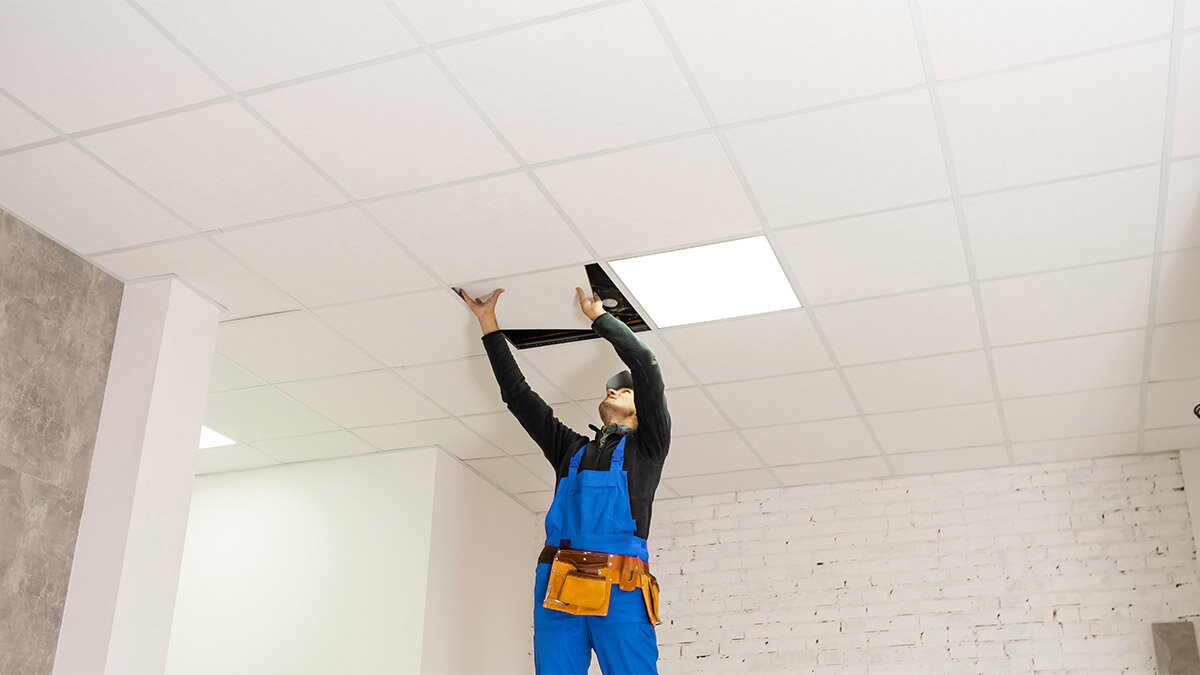
If you manage a workshop, warehouse, or office, you know ceilings take a beating from dust, moisture, and daily wear. PVC ceiling panels, made from durable polyvinyl chloride, offer an easy-to-clean, waterproof solution that fits a range of commercial spaces.
What Are PVC Ceiling Panels?
PVC ceiling panels are lightweight tiles with a hollow core and smooth, finished surface. They’re available in various colors and textures and can be surface-mounted or fitted into standard ceiling grids. Because they’re 100% waterproof, they’re often used in moisture-prone areas such as restrooms, basements, laundry rooms, and commercial kitchens.
Pros and Cons of PVC Ceiling Panels
Advantages
Durable & Lightweight: Easier to handle and install than traditional tiles.
Waterproof & Mold-Resistant: Excellent for humid or wet areas.
Low Maintenance: Simple to clean with mild soap and water.
Affordable: Cost-effective solution for commercial remodeling.
Disadvantages
Plastic Appearance: May not suit all design aesthetics.
Heat Sensitivity: Not ideal for areas exposed to direct heat.
Limited Fire Resistance: Always confirm local building codes and fire ratings.
Where PVC Ceiling Panels Work Best
Because they’re waterproof, easy to maintain, and resistant to mildew, these panels fit great in:
Bathrooms and locker rooms
Basements or crawl spaces
Commercial kitchens and laundry areas
Garages and workshops
Office ceilings or utility spaces
Their combination of strength, moisture resistance, and low upkeep makes them a versatile solution for facility upgrades or remodels.
How Do You Install PVC Ceiling Panels?
Here’s a simplified step-by-step installation guide for small business maintenance teams.
Plan and Measure: Map ceiling dimensions and choose panel direction.
Prepare the Surface: Remove old material, clean, and dry the area.
Install Furring Strips: Space strips about 12" apart for support.
Fit the First Panel: Start in one corner, securing with screws or adhesive.
Connect Remaining Panels: Use tongue-and-groove joints for alignment.
Finish Edges: Add trim or molding and wipe down after installation.
Pro Tip: Always follow manufacturer guidelines for fasteners and adhesives.
FAQs
Are PVC ceiling panels safe for commercial buildings?
Yes, they’re suitable for most indoor applications. Always confirm local building codes and product fire ratings before installation.
Can PVC panels be used in hot environments?
They perform best in temperature-controlled areas. Avoid direct exposure to heating equipment or open flames.
How long do PVC ceiling panels last?
With proper installation and care, they can last for many years without warping or discoloration.
Bottom Line
PVC ceiling panels deliver an ideal blend of durability, simplicity, and cost efficiency. They’re a dependable choice for business owners looking to modernize facilities with minimal maintenance and downtime.
Ready to upgrade your ceilings? Shop Zoro’s ceiling panels and installation tools for everything you need to complete your next project—fast delivery included.
Product Compliance and Suitability
The statements contained in this guide are intended for general informational purposes only. Such statements do not constitute a product recommendation or representation as to the appropriateness, accuracy, completeness, correctness, or currentness of the information provided. Information provided in this guide does not replace the use by you of any manufacturer instructions, technical product manual, or other professional resource or adviser available to you. Always read, understand, and follow all manufacturer instructions. Portions of this article were generated in part by ChatGPT, and edited by a member of the Zoro team.
