


Rethink Your Approach to Mastering Metalworking
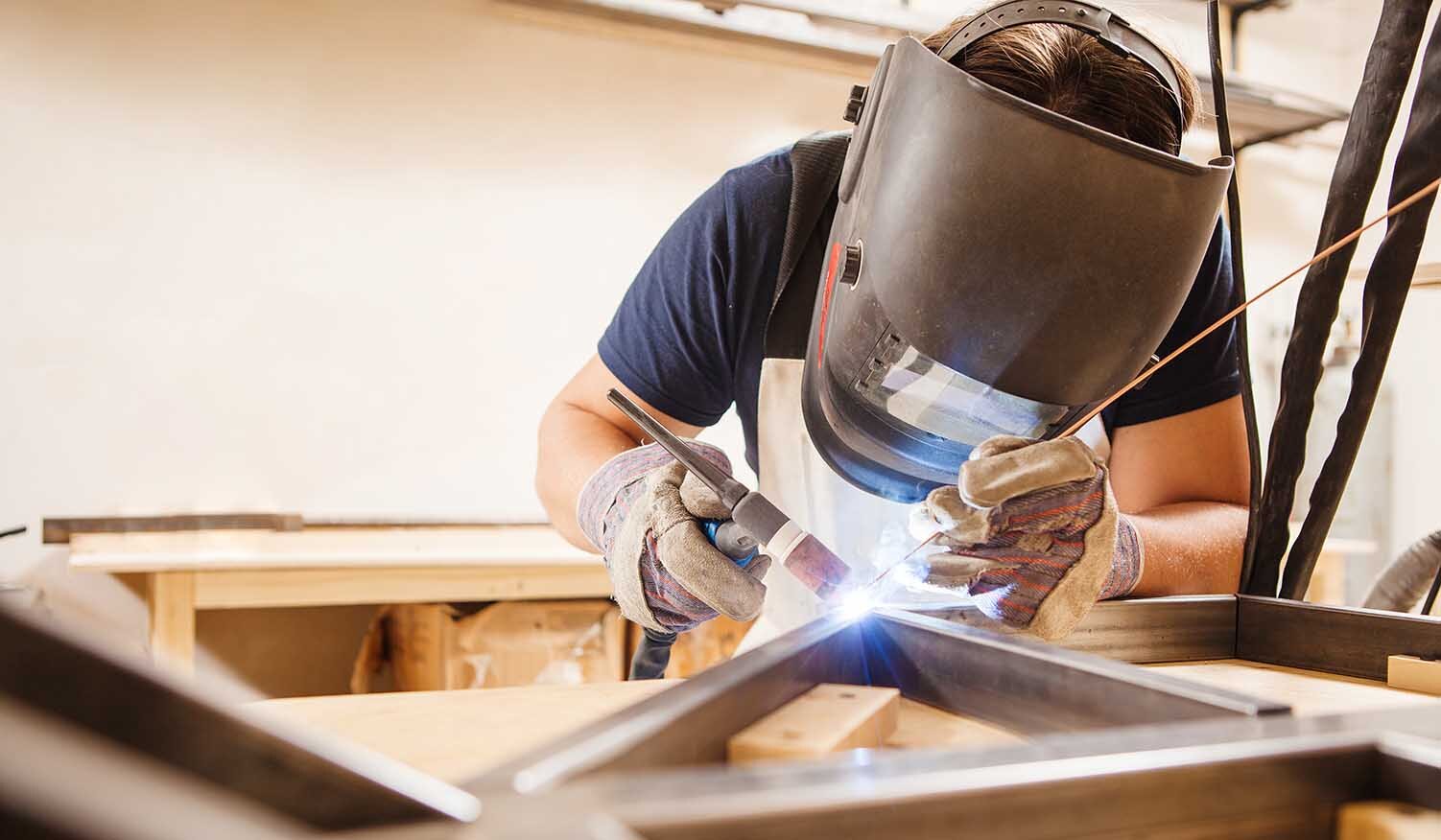
Whether you’ve been working with metal for years or you’ve only recently dived into welding and metal fabrication, you’ll know that it takes a lot of patience to master metalworking. Inexperienced metalworkers can run into several common problem areas, such as long set-up times and not having the right tools. Metalworking is also a broad field, making it easy for you to get overwhelmed while trying to develop different specialty skills.
It’s also one of the most rewarding crafts. With experience, a welder or professional fabricator can excel in many dynamic industries, including aerospace and engineering. Being able to cut, grind, reshape, and create with different metals is a coveted skill in the construction industry. And for those who have access to personal workshop space, it’s a challenging yet fulfilling craftsman hobby.
As you work toward perfecting your craft, keep these tips in mind. They may help you rethink your approach to mastering metalworking.
Choose Metalworking Tools That Will Last
Between the safety gear required for welding and the necessary tools, metalworking is a trade that demands a lot of resources.
To master metalworking, you’ll need well-made tools, but only for the specific type of work in which you’ll be engaged. For example, if your focus is metal fabrication, you won’t necessarily need high-end welding gear.
High-quality tools will often last longer than less-expensive models. They’re usually easier to work with, which will help you to develop your metalworking skills as a beginner or intermediate craftsman. And they are versatile so you can use the same tools as you advance.
Let’s take a look at a few metalworking essentials and what to look for when choosing the right tools and accessories.
- Angle grinder – Because metalworkers use this tool for cutting and shaping steel, a reliable corded angle grinder will ensure you have the power and longevity you need. Also, unlike when working with a cordless model, you won’t have to continually purchase batteries.
- Welder – Consider buying a multipurpose (MP) welder. This type of welder will evolve with you as you work toward mastering metalworking. While more expensive upfront than a basic stick welder, you can use a multipurpose model for MIG welding and TIG welding as your skills improve.
- Clamps – Use steel C-clamps that are strong enough to stabilize heavy metal pieces. Clamps made from metal and plastic, such as those designed for woodworking, won’t last when welding. The high temperatures involved in metalworking can melt the plastic components.
Specialize in the Field You’re Interested In
Joining pieces of metal together and shaping steel, aluminum, and other metals sounds straightforward. It is, however, a highly skilled trade that requires ample training and a thorough knowledge of metals, their properties, and how they work.
Those interested in a welding career, for example, will need to spend six months to two years earning a certificate before starting on-the-job training. A metal fabricator has to learn to operate different types of machinery and develop the right technical skills before going on to be a successful boilermaker or fabricator.
Whether you’re interested in mastering metalworking to gain employment, or you’re intrigued by the craft and want to become the next Tom Joyce or Viktor Burduk, find your niche in metalworking and specialize in it. Once you master one area, you can always expand your skillset further.
Learn From the Masters
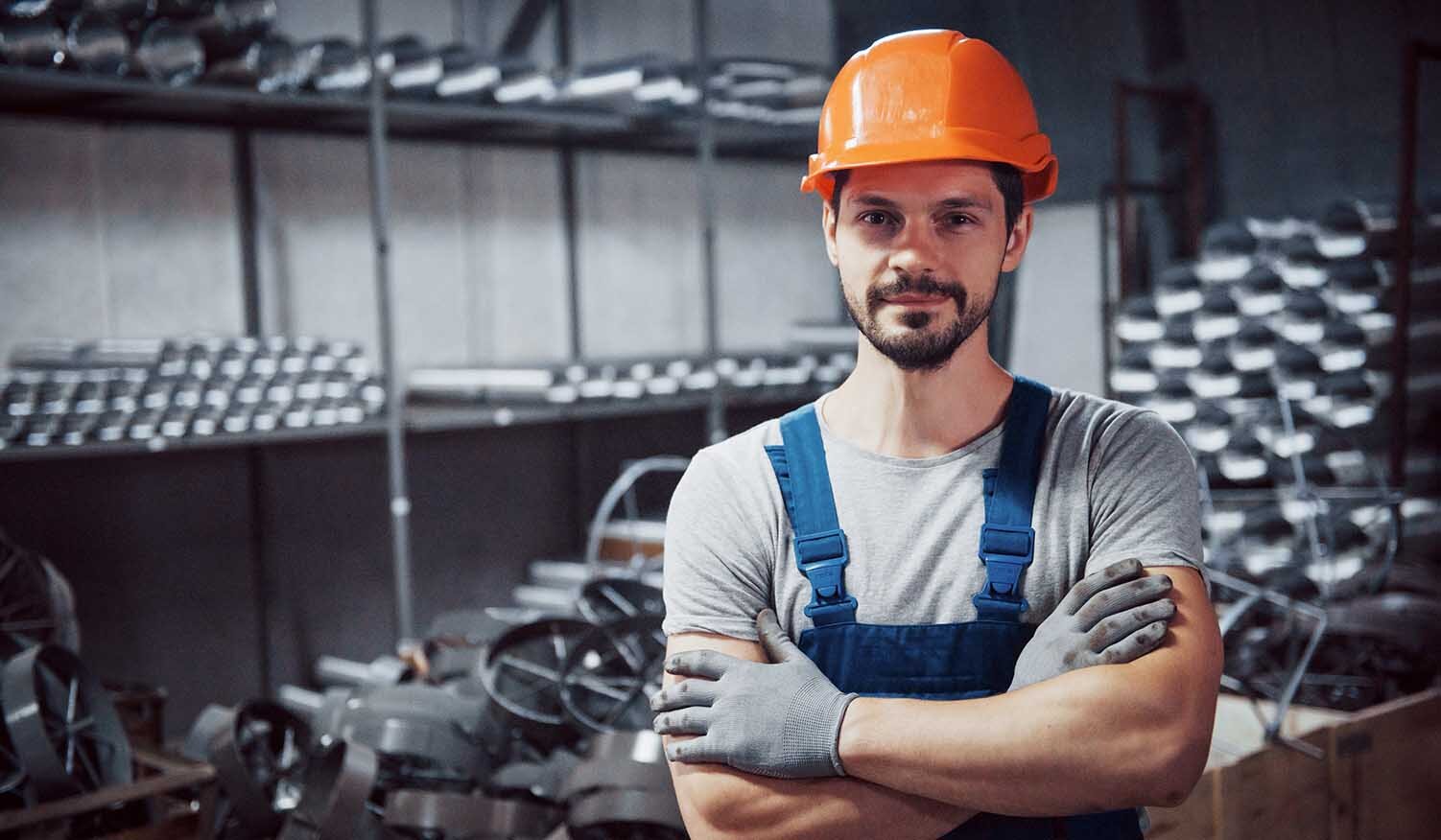
If you want to truly master metalworking, learn from the best. If you’re new to metalworking, take classes at specialized schools such as the American Fabrication Academy or the Los Alamos Machinist Apprentice Program. Contact employers about starting a welding or fabricating apprenticeship. You can also take classes in math, metallurgy, welding, and metal fabrication at your local college or university.
Because metalworking requires a high skill level, and there are so many industries that rely on metalworkers with adequate technical knowledge and experience, there will always be a demand for master metalworkers.
The further you go into the craft, advancing from MIG welding to highly specialized work such as plasma arc welding and laser beam welding, the more in-demand you’ll be.
Start with the right equipment, focus on your niche, and keep learning. Metalworking is a fantastic field to be in today and one that will continue to thrive post COVID-19.

Product Compliance and Suitability
The product statements contained in this guide are intended for general informational purposes only. Such product statements do not constitute a product recommendation or representation as to the appropriateness, accuracy, completeness, correctness or currentness of the information provided. Information provided in this guide does not replace the use by you of any manufacturer instructions, technical product manual, or other professional resource or adviser available to you. Always read, understand and follow all manufacturer instructions.
