


RJ45 vs. RJ11 Crimp Tools: Can You Use One for Both?
When you're outfitting your team or looking to streamline your tool bag, it's natural to ask: Can one crimping tool handle both RJ45 and RJ11 connectors? The short answer is sometimes. But as with anything in fieldwork, what’s possible and what’s reliable aren’t always the same thing. This guide breaks down the differences between RJ45 and RJ11 connectors, how their tools are designed, and whether combo crimpers are a smart investment—or a shortcut that causes problems down the line.
A Quick Refresher: RJ45 vs. RJ11
You probably know these two by feel, but here’s what sets them apart technically.
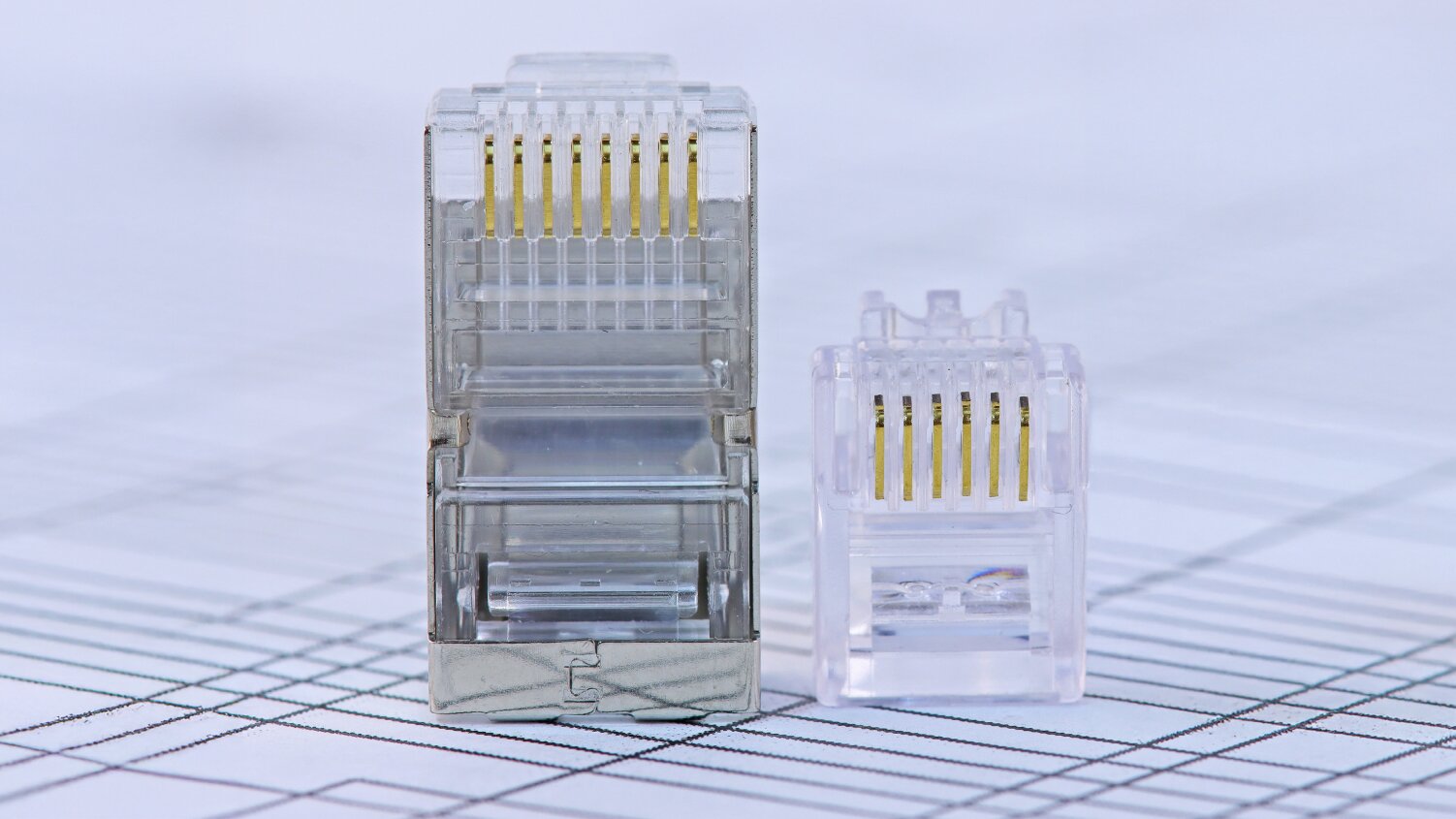
RJ45
- 8P8C (8 positions, 8 contacts)
- Used for Ethernet and data (Cat5e, Cat6, Cat6a)
- Common in structured cabling, patch cables, and switch terminations
RJ11
- Typically 6P2C or 6P4C (6 positions, 2 or 4 contacts)
- Used for analog phones, DSL, alarms, and intercoms
- Smaller form factor: shorter and narrower than RJ45
They may look similar at a glance, but their dimensions and pin counts are different enough to cause trouble if you use the wrong tool.
So, Can You Crimp Both with One Tool?
Yes, but only if the tool is built for both.
Combo crimpers are available that are designed to accommodate both RJ45 and RJ11 connectors. These tools feature:
- Multiple crimping dies for different plug sizes
- Separate cavities for 6-position and 8-position connectors
- Blade alignment that won’t damage smaller RJ11 plugs
Using a tool designed solely for RJ45 connectors when crimping an RJ11 plug may result in misaligned pins, damaged connectors, or incomplete crimps. And the opposite is also true: trying to crimp an RJ45 plug with an RJ11-only tool simply won't work. The connector won’t even fit.
What Makes a Tool Truly “Combo-Capable”?
Not all "multipurpose" tools are created equal. If you're considering one tool for both types of terminations, look for these features.
Dual Crimp Cavities
Clearly marked die sets for 6P and 8P connectors. Some tools will have:
- Two separate crimping bays
- A rotating die wheel (less common, more expensive)
- Detachable die blocks or inserts
Adjustable Blade Depth
Especially important for RJ11 cables, which often use thinner wire. A cutter or stripper designed only for Cat5e can easily nick smaller conductors if the tool isn’t adjustable.
Clean Termination Pressure
A combo tool should apply even force across all contact pins, whether it's two or eight. Look for hardened steel jaws and a tight hinge. Inconsistent tool action may lead to unreliable connections.
Pass-Through Support (Optional)
If you're using EZ or pass-through RJ45 plugs, make sure the tool has a flush-cutting feature compatible with those styles. Some combo tools do, some don’t.
When a Combo Tool Makes Sense
Combo tools are commonly used in scenarios such as:
- Field techs running voice and data lines together
- Service work in older buildings with mixed infrastructure
- Low-volume crimping where speed isn’t critical
- Spare or backup tool kits
Not Ideal For:
- High-volume RJ45 terminations (such as those involving Cat6 or Cat6a cable), which typically require greater precision.
- Installations with strict specifications (such as those in data centers, healthcare, or government settings), which may benefit from dedicated tools.
- Shielded cabling or special connectors (like RJ12 or keyed RJ45)
Common Mistakes to Avoid
If you’re using a combo tool or buying one for your team, watch out for these issues.
- Crimping an RJ11 connector in an RJ45 slot
You might feel it “click” into place, but you’ll likely miscrimp the pins or deform the body.
- Using the wrong plug for the wire type
RJ11 is often used with flat silver satin cable; RJ45 is designed for twisted pair. Crimping one into the other’s die can create loose, unreliable contacts.
- Inconsistent pressure on combo tools
Cheap tools often apply uneven pressure, which leads to one side crimping deeper than the other. That can cause signal issues or intermittent failures.
Our Recommendation
If you’re doing a mix of phone and data work in moderate volumes, a combo tool may help reduce the number of tools required, depending on jobsite needs. But if you're crimping hundreds of RJ45 ends per week—or installing Cat6/Cat6a cable in environments that demand high performance—dedicated tools may offer more consistent alignment and durability over time.
A well-built combo crimper can be a helpful option when used in the right context. Like most multi-tools, it comes with tradeoffs.
If you're equipping a new hire, setting up a maintenance kit, or doing occasional work with legacy phone lines, a combo crimper can be a convenient option when it includes the appropriate die sets and design features for both RJ45 and RJ11 connectors.
Need help choosing the right crimping tool for your work? Zoro provides a wide selection of tools to support various jobsite needs.
