


Safety Goggles: What You Need To Know
Whether you're a business owner, a team leader, a safety professional in your organization, or a contractor, you're likely already aware of the importance of eye safety in the workplace. However, it can be confusing to sort out the different options for eye protection. You may need to choose not only between safety goggles and alternatives like safety glasses, but you'll also need to choose a pair of goggles that offers the best protection from the hazards in your specific working environment. In this guide, we'll take a closer look at all of the factors you'll want to consider when choosing the right safety goggles for your work.
The Importance of Eye Protection
Safety lenses are an extremely critical part of workplace safety and should not be overlooked. In fact, the CDC reports that about 2,000 workers in the U.S. sustain eye-related job injuries (many of which require medical treatment) every day. Importantly, a great number of these injuries can be prevented with appropriate eye protection. OSHA requires employers to ensure their employees' safety, and that includes providing adequate eye and face protection from a wide range of hazards.
What Are Safety Goggles?
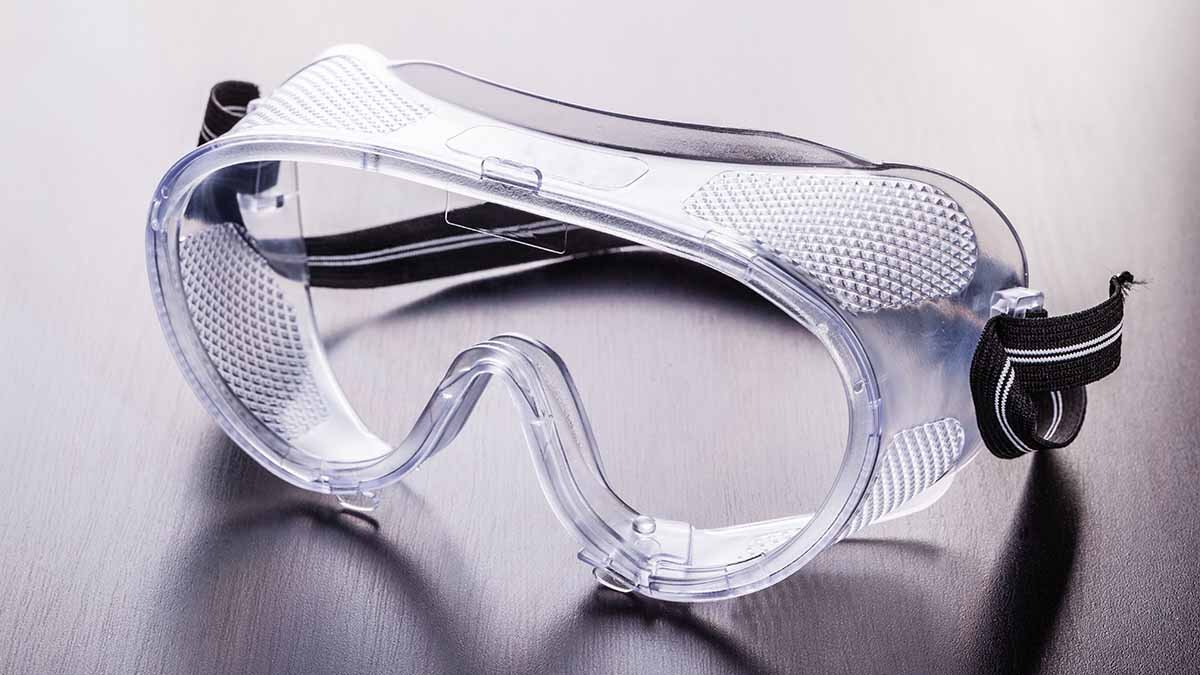
Safety goggles protect the wearer from everything from debris and dust to chemical hazards and beyond. With a closed design, they fit more tightly to the face than glasses and protect the eyes from all directions. Their advantages include a higher degree of protection compared to safety glasses—especially from chemical splashes, airborne chemicals, fumes, and projectiles. They can also be worn with many prescription glasses and may include features like anti-fog lenses and even ventilation systems.
Types of Safety Goggles
Direct Ventilation
Direct ventilation goggles are pieces of safety eyewear designed with open vents that allow air to flow directly into the goggles—usually from the sides—in order to reduce fogging and provide additional comfort during extended use. They are commonly used in environments where protection from impact is needed, but protection from particles and chemical splashes is not.
Indirect Ventilation
Indirect ventilation goggles use covered vents and are better suited where there is a higher risk of exposure to liquids, chemicals, or fine particulates, while still providing the advantages of ventilation (such as less fogging). They're more comfortable than non-vented goggles and ideal for extended use, but should not be used around vapors and caustic materials.
Non-Vented
Non-vented goggles are fully sealed and provide the best overall protection, including from chemical splashes, vapors, and caustic materials. They are necessary in certain jobs and environments—after all, there is no such thing as safe goggle ventilation if you are working with toxic fumes. However, they may be more prone to fogging and are less comfortable for extended use.
Choosing the Right Safety Goggles
Because they offer more complete protection, safety goggles are generally a safer choice than safety glasses and are better suited to working around certain hazards.
For example, safety goggles are the right choice in working environments where splashes, airborne droplets, caustic vapors, and blunt impacts are possible hazards.
Safety Standards
You should also determine whether your safety goggles meet recent standards for safety in your working environment. Certifications like ANSI Z87.1 (American National Standards Institute) or EN 166 (in Europe) can provide the information you need to determine that your goggles are up to current standards.
Impact Resistance
Determine whether the goggles you're considering have enough impact resistance for your environment. Materials such as polycarbonate lenses are ideal for protecting against flying objects at high speeds and will minimize your injury risk.
Optical Clarity
Optical clarity in safety goggles is crucial as it ensures workers have clear vision, reducing eye strain and enhancing their ability to perform tasks accurately and safely. Poor optical clarity can lead to visual distortion, increasing the risk of accidents—and it can also affect your work and productivity if you're unable to see clearly.
Durability and Maintenance
Durability in safety goggles is another key factor to consider when shopping for the right pair. You'll need goggles that not only protect your team members but can also withstand the rigors of the workplace, providing long-term protection without frequent replacements. Scratch resistance is a key factor in durability, as are easy maintenance (such as smudge resistance) and parts that can be replaced if needed.
* * *
Selecting the right safety goggles for your workplace requires an understanding of the many options and factors involved, including protection from hazards, durability, fit, and compliance with safety standards. By prioritizing these considerations, you can ensure comprehensive eye protection that keeps your team safe without sacrificing comfort or productivity.
Product Compliance and Suitability
The statements contained in this guide are intended for general informational purposes only. Such statements do not constitute a product recommendation or representation as to the appropriateness, accuracy, completeness, correctness, or currentness of the information provided. Information provided in this guide does not replace the use by you of any manufacturer instructions, technical product manual, or other professional resource or adviser available to you. Always read, understand, and follow all manufacturer instructions.
