


Safety Helmets vs. Hard Hats: What's the Difference and Which Should You Choose?
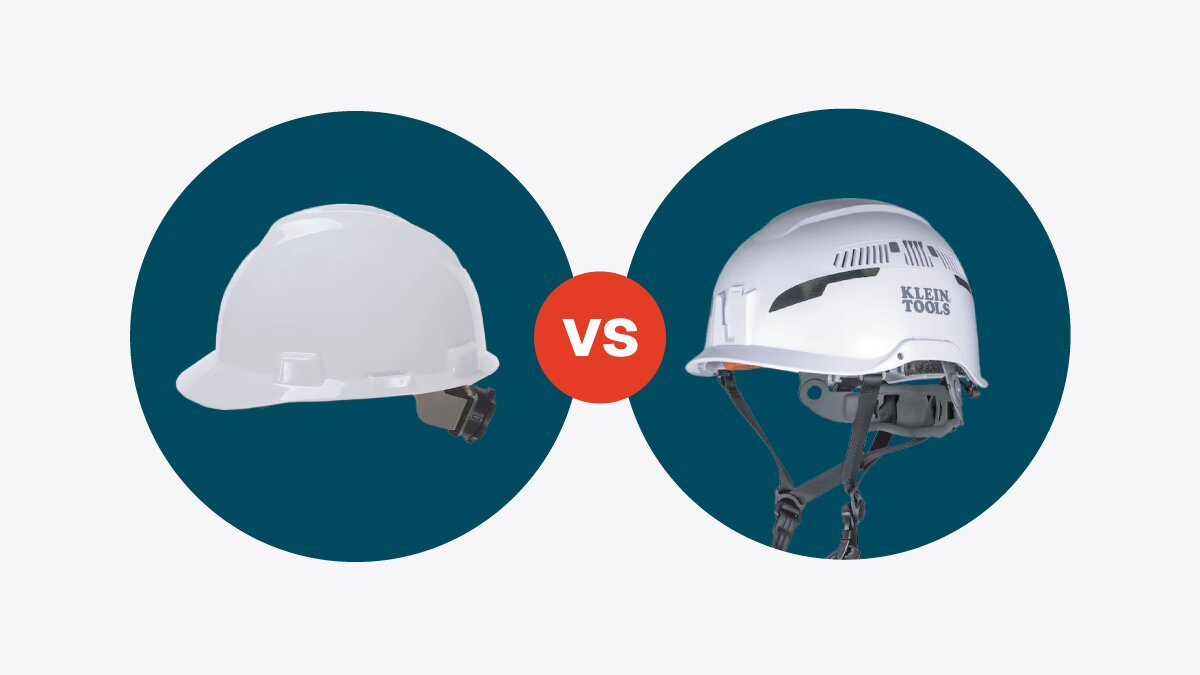
If you manage a construction crew, manufacturing floor, or maintenance team, head protection plays a role in promoting workplace safety. As more businesses explore the shift from traditional hard hats to modern safety helmets, a common question comes up: What’s the difference—and which option may be suitable for your jobsite? This guide outlines key differences between safety helmets and hard hats to help provide general information for selecting head protection suitable for various jobsites.
What’s the Difference Between a Hard Hat and a Safety Helmet?
Hard hats and safety helmets both help protect against head injuries from falling objects and impacts. The main differences come down to their design, fit, and added features.
| Hard Hats | Safety Helmets |
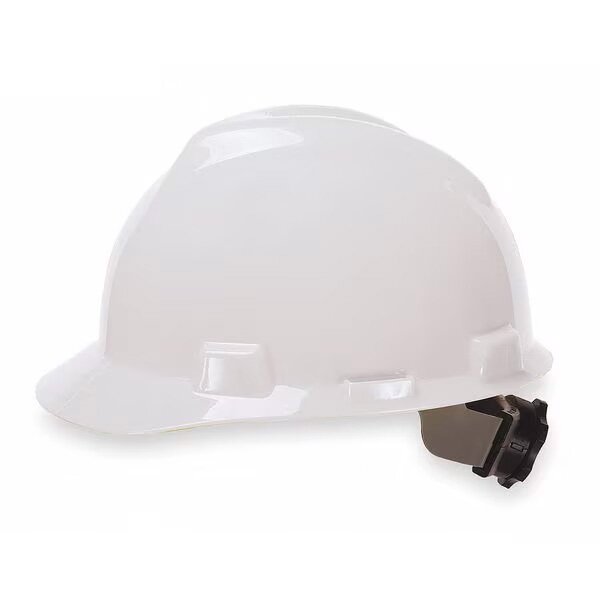 |  |
Protection: Primarily top-of-head impacts Fit: Suspension + loose fit Additional Safety Features: Limited Standards Met: ANSI ZE89.1 | Protection: Top + side + rear impact Fit: Close fit with chin strap Additional Safety Features: Often includes accessory mounts Standards Met: ANSI ZE89.1 + EN12492 (climbing) |
How Long Are Hard Hats Good For?
Most hard hats should be replaced every five years, with the suspension system swapped out annually. Exposure to sunlight, chemicals, and daily wear can shorten their lifespan. Regular inspections and proper storage help maintain performance.
Why More Pros Are Switching to Safety Helmets
More professionals are moving from traditional hard hats to safety helmets due to features that may offer improved protection. Safety helmets often include side and rear impact protection, secure chin straps, and accessory compatibility for face shields, hearing protection, and communication gear. In 2023, OSHA announced it would replace traditional hard hats with safety helmets for its employees, emphasizing the change as a way to better protect against head injuries.
Are Safety Helmets OSHA-Approved?
Safety helmets that meet ANSI Z89.1 standards are generally considered compliant with OSHA industrial head protection requirements. Some models also meet EN12492, a European climbing helmet standard, which may offer expanded protection for certain dynamic work environments. When evaluating gear, always check that it's certified for the type of work being performed. Choosing helmets rated for additional standards may align with a proactive approach to workplace safety.
Transition Tips for Teams Switching from Hard Hats to Safety Helmets
Transitioning to safety helmets may support additional protection, depending on the jobsite and task requirements.
- Clear communication and team engagement can help facilitate a smooth rollout. Begin by explaining why the change may be beneficial. Highlight design features such as closer fit, expanded impact coverage, and compatibility with other PPE.
- Demonstrate how to wear the new gear correctly, including how to adjust chin straps for a secure fit.
- Introduce the helmets gradually during training sessions or scheduled equipment updates, and encourage team feedback. Allowing workers time to adapt and express concerns can help support a successful transition.
Whether you’re using a traditional hard hat or considering a modern safety helmet, the most important factor is choosing head protection that fits your jobsite, meets applicable safety standards, and supports protective measures when used appropriately.
Product Compliance and Suitability
The statements contained in this guide are intended for general informational purposes only. Such statements do not constitute a product recommendation or representation as to the appropriateness, accuracy, completeness, correctness, or currentness of the information provided. Information provided in this guide does not replace the use by you of any manufacturer instructions, technical product manual, or other professional resource or adviser available to you. Always read, understand, and follow all manufacturer instructions. Portions of this article were generated in part by ChatGPT, and edited by a member of the Zoro team.
