


Screwdrivers for Industry Pros: A Guide to Choosing the Right Tool for the Job

From assembly lines to jobsites, screwdrivers are an essential tool across industries like manufacturing, construction, electronics, automotive repair, and utilities. A screwdriver is a go-to tool for inserting, tightening, or removing screws with precision. It's designed with a comfortable grip, a sturdy shaft, and a tip that fits snugly into screw heads. Whether tightening electrical panels, assembling machinery, or making critical repairs, having the right screwdriver for the job makes a big difference in efficiency and precision. This guide covers screwdriver types and selection tips—so you can work smarter and get the job done right.
Parts of a Screwdriver
Understanding the core components of a screwdriver will help you select a tool that enhances productivity and durability.
- Handle—Provides grip and control. Ergonomic handles reduce hand fatigue for all-day use.
- Shaft (Shank)—The durable metal rod that connects the handle to the tip, available in various lengths and materials.
- Tip (Bit)—The shaped end that engages with screw heads. Choosing the correct tip prevents stripping and improves efficiency.
Types of Screwdrivers & Their Applications
Selecting the right type of screwdriver enhances efficiency, prevents fastener damage, and ensures precision.
Phillips | Torx | Hex (Allen) | Pozidriv |
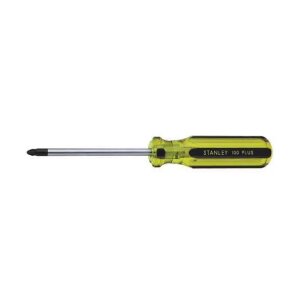 | 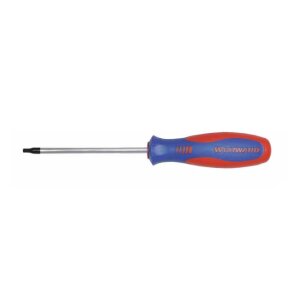 | 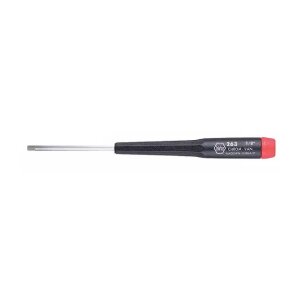 | 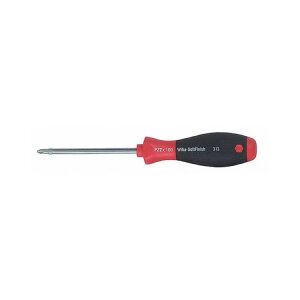 |
| A top choice for automotive repair, furniture assembly, and heavy-duty maintenance. | A must-have for security fasteners, electronics, and automotive industries. | Ideal for machinery, industrial equipment, and bicycle maintenance. | Designed for improved torque control and reduced cam-out in woodworking and assembly. |
Precision | Insulated | Torque | Square |
 | 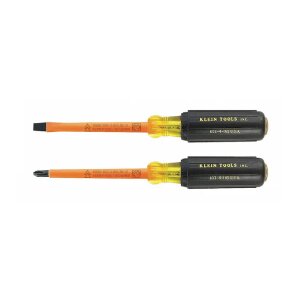 | 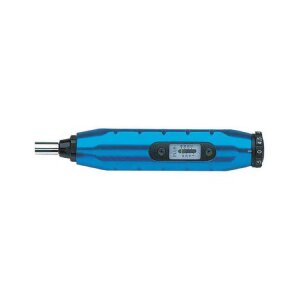 |  |
| Essential for delicate tasks in electronics, watches, and small machinery. | Designed for electrical work, protecting against electric shock. | Used where specific torque settings are required, such as in mechanical and aerospace applications. | Common in construction and cabinetry, offering excellent grip. |
Spanner | Flathead | ||
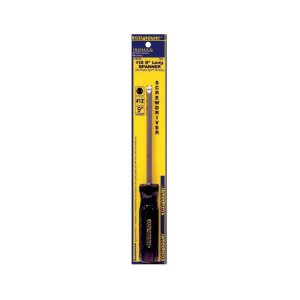 |  | ||
| Used in security applications, preventing tampering. | A go-to for general maintenance, woodworking, and electrical work. |
Types of Screw Heads & Matching the Right Screwdriver
Understanding the types of screw heads ensures proper tool selection for efficient work.
 | Slotted—Designed for flathead screwdrivers. |
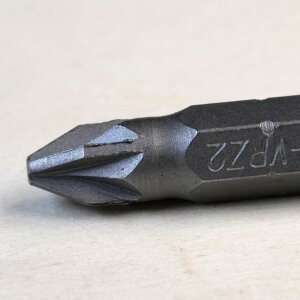 | Phillips—Requires a Phillips screwdriver for better torque control. |
 | Torx (Star)—Best paired with Torx screwdrivers for security and automotive use. |
 | Hex (Allen)—Compatible with hex keys and screwdrivers for mechanical assemblies. |
Key Considerations When Buying a Screwdriver
Choosing the right screwdriver depends on the application and screw type. Key considerations include:
- Material & Durability—Chrome-vanadium steel resists wear and corrosion.
- Ergonomics & Grip—Ergonomically designed handles provide comfort for prolonged use.
- Magnetic vs. Non-Magnetic Tips—Magnetic tips make handling small screws easier.
- Insulated vs. Non-Insulated—Insulated screwdrivers are crucial for electrical work.
- Interchangeable Bits vs. Fixed Tip—Multi-bit screwdrivers offer versatility.
For industry professionals, having the correct screwdriver can mean the difference between efficient, damage-free work and costly mistakes. By understanding the types of screwdrivers and matching the screwdriver to the job requirements, professionals can enhance productivity and tool longevity. Explore Zoro’s wide range of professional-grade screwdrivers to equip your team with reliable tools.
Product Compliance and Suitability
The statements contained in this guide are intended for general informational purposes only. Such statements do not constitute a product recommendation or representation as to the appropriateness, accuracy, completeness, correctness, or currentness of the information provided. Information provided in this guide does not replace the use by you of any manufacturer instructions, technical product manual, or other professional resource or adviser available to you. Always read, understand, and follow all manufacturer instructions. Portions of this article were generated in part by ChatGPT, and edited by a member of the Zoro team.
